Tens of thousands cross into Spanish enclave of Ceuta before mass return
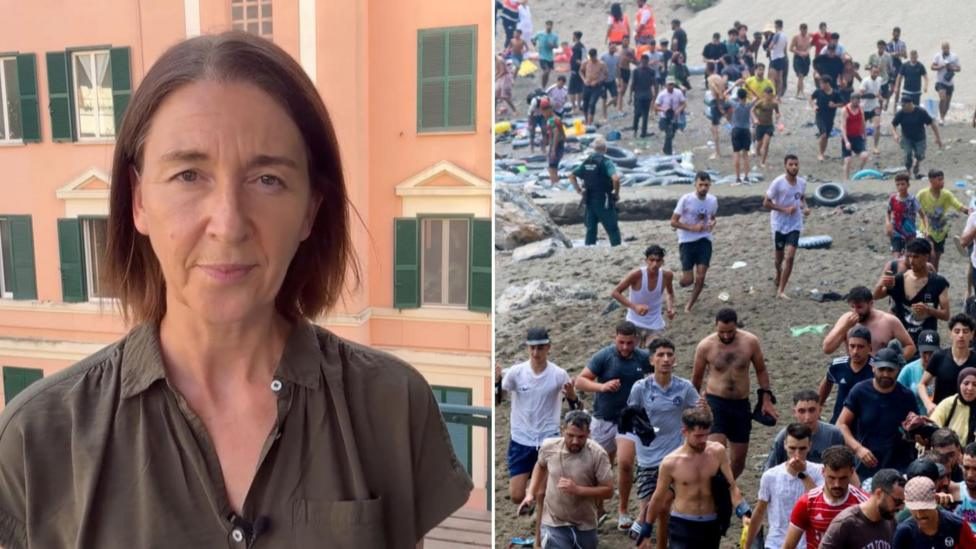
An unprecedented influx of migrants into the North African enclave has resulted in dozens of deaths and a massive voluntary return, highlighting ongoing border pressures on Europe.
An estimated 60,000 people from Morocco crossed into the Spanish territory of Ceuta over a 24-hour period, marking an unprecedented surge in arrivals at the North African enclave. Spanish officials confirmed on Friday evening that more than 48,000 of these individuals had already voluntarily returned to Morocco.
The sheer scale of this movement places immense strain on the tiny territory, which has a permanent population of only around 83,000 residents. Ceuta has long served as a focal point for migrants attempting to reach Europe, but this recent spike represents a dramatic escalation in cross-border movements.
The human cost of this surge is severe, with dozens of people losing their lives while attempting to make the crossing. This mortality rate underscores the dangerous conditions faced by those moving toward the European border in such large, uncoordinated numbers.
For European policymakers and local economies, sudden demographic shifts in border territories present immediate logistical and financial challenges that demand swift coordination. The rapid arrival and subsequent return of tens of thousands of people in a single day tests the absolute limits of local infrastructure, public services, and border management systems.
While the voluntary return of the majority of arrivals may alleviate immediate pressure on Ceuta’s local resources, the event highlights the ongoing fragility of border control in the region. The sheer volume of people involved reinforces the enclave’s position as a primary flashpoint in broader European migration patterns.
As correspondents such as the BBC’s Sarah Rainsford examine what may have triggered the surge and what happens next, the immediate focus remains squarely on the humanitarian toll. The dozens of deaths recorded during the crossing serve as a stark reminder of the severe risks involved in these mass movements toward European soil.