World Cup privatisation plan faces UEFA boycott threat
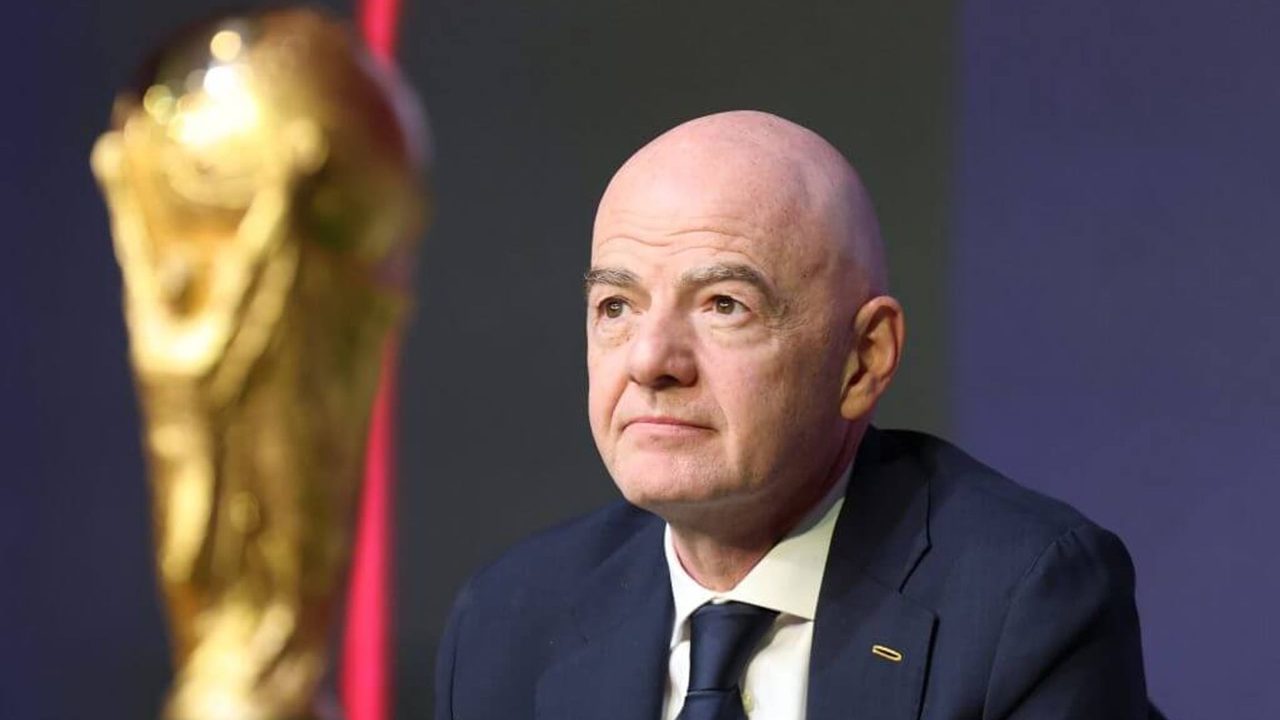
FIFA president Gianni Infantino’s plan to sell a stake in the World Cup has triggered a boycott threat from European football’s governing body, exposing a governance crisis at the top of a multi-billion-euro global industry.
Gianni Infantino’s attempt to commercialise the World Cup through a private stake sale has effectively collapsed after UEFA threatened to withdraw its member nations from FIFA competitions. The plan, reportedly developed in secret for over a year under the banner of FIFA Forward Enterprises, has been universally rejected by football’s continental confederations.
For the European football economy, a boycott would be catastrophic. UEFA nations supply the vast majority of the sport's highest-value players and broadcasting revenues. Stripping future World Cups of European participation would immediately obliterate the commercial value of the very asset Infantino is trying to sell, threatening billions in broadcasting and sponsorship contracts.
The internal fallout has been swift. Carlos Cordeiro, Infantino’s senior adviser, resigned in protest, while Concacaf and the Asian Football Confederation also rejected the proposal. Bernd Neuendorf, president of the German Football Association and a FIFA Council member, told Kicker: "I was very surprised, and also annoyed, that we had to find out about something like this from the press."
The political cost is mounting. UK Prime Minister Andy Burnham declared Infantino the "wrong man" to lead FIFA. The crisis stems not just from the policy itself, but from the unilateral way it was handled. Despite the FIFA Council being the sport's highest executive body, its 37 members were entirely excluded from the planning.
FIFA has issued three statements in two days, blaming "incorrect media reports" for disrupting a consultation process that evidence suggests never existed. The episode fits a broader pattern of isolated decision-making that has seen Infantino bypass standard governance channels on matters ranging from rule changes to diplomatic awards. For investors and stakeholders, this disarray raises serious questions about the institutional stability of global football’s governing body.