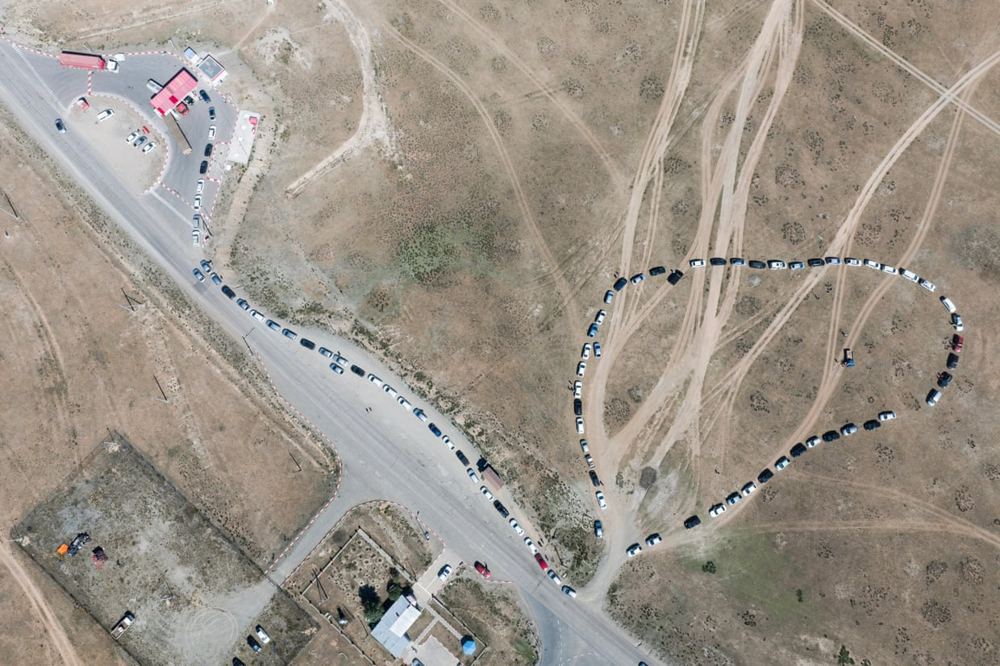
Morocco allows 60,000 migrants into Ceuta in border pressure tactic
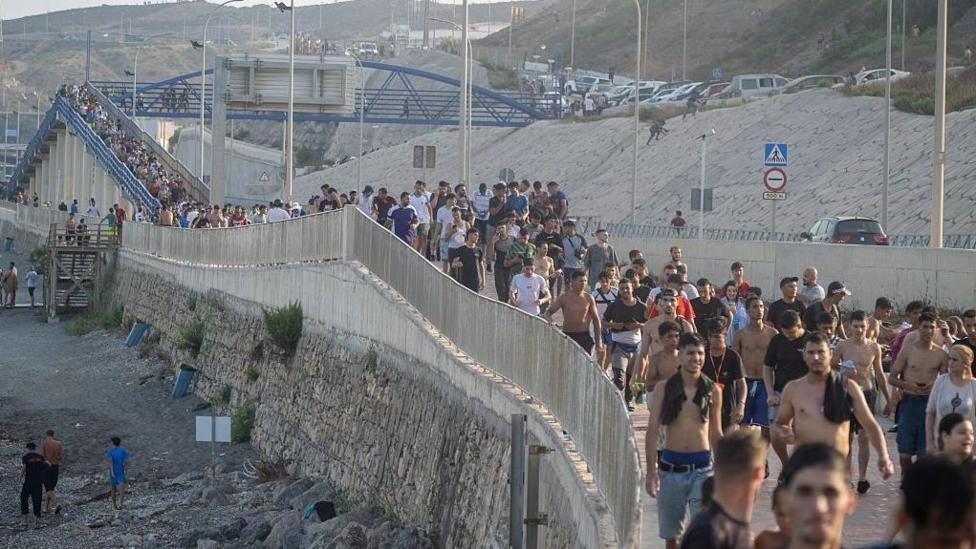
The sudden arrival of 60,000 migrants in Ceuta, facilitated by Moroccan border guards, underscores the geopolitical risks Spain faces over its Western Sahara stance and exposes deep European divisions on immigration policy.
Around 60,000 migrants crossed into the Spanish territory of Ceuta in less than 24 hours this week after Moroccan border guards adopted a laissez-faire approach to the frontier. The influx was six times larger than a similar breach in May 2021. At least 57 people died during the attempt, many by drowning, while the majority of those who crossed appeared to be Moroccan locals rather than sub-Saharan migrants.
Prime Minister Pedro Sánchez rushed to the North African outpost on Friday, blaming migrant traffickers for exploiting a recent supreme court decision that constrained the government's ability to deport people arriving by sea. An expanded military and police deployment is now processing arrivals, and many are already trickling back into Morocco.
The immediate practical crisis is receding, but the episode highlights a persistent geopolitical vulnerability for Spain and European border stability. Rabat's decision to stand aside was widely interpreted as a retaliatory tactic. It followed a Sánchez visit to Algiers designed to mend fences after Madrid abandoned neutrality to back Morocco's plan for Western Sahara autonomy.
Morocco has demonstrated a readiness to use migration as a diplomatic weapon whenever European governments fall off the tightrope in the Western Sahara dispute. This leaves Spain particularly exposed because Ceuta and Melilla represent the EU's only land borders on the North African coast.
The domestic and regional political fallout has been swift. Spain's conservative opposition has seized on the breach, while Italy suggested suspending Spain's Schengen membership. However, such calls overlook the operational reality: Spain already enforces strict internal borders on flights and ferries from these enclaves to the mainland, effectively containing the security risk.
Beneath the immediate diplomatic row lies a deeper economic friction. Sánchez has championed an "immigration positive" agenda that contrasts sharply with the restrictive policies of most EU states. This approach includes programmes to bring in Senegalese workers on a temporary basis to support the horticultural sector.
The long-term sustainability of relying on legal migration pathways for agricultural labour remains to be seen. But the Ceuta crisis shows how Spain's independent economic strategy and its delicate diplomatic position in the Maghreb can unsettle its European partners.