Greek police hunt missing US contacts in Athens suitcase death
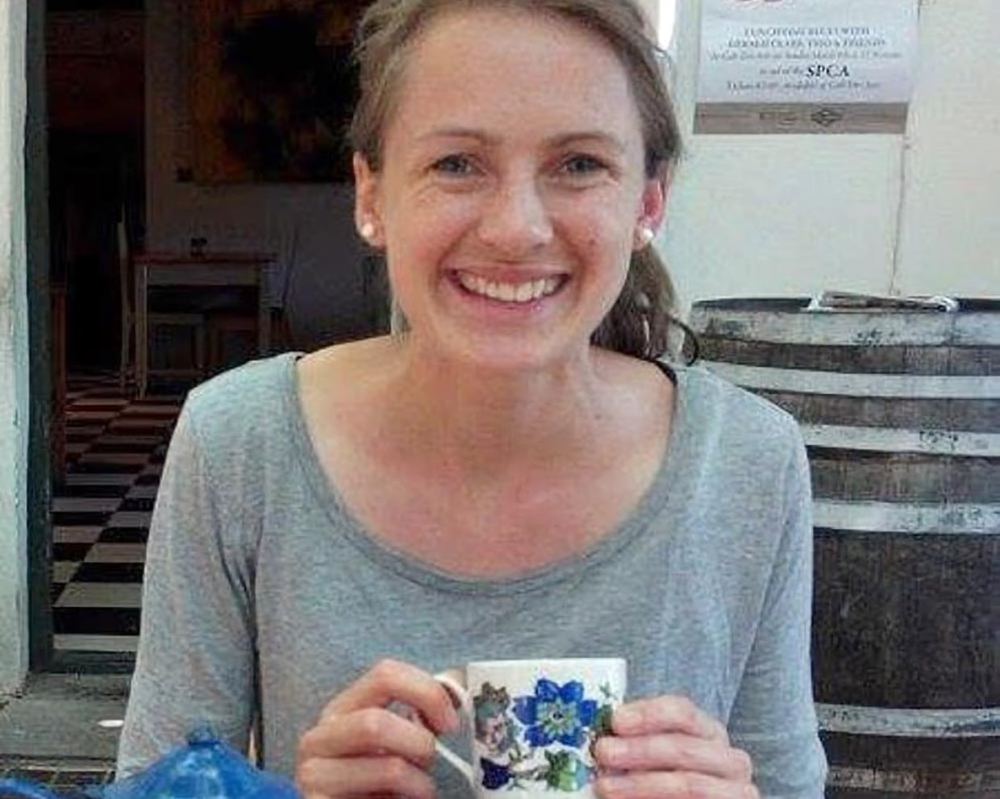
The death of a British charity worker whose body was dumped in an abandoned Athens lot has exposed the stark urban decay and security gaps in the Greek capital's inner city as police struggle to trace her final days.
The body of 38-year-old Elisabeth-Jane Ross was discovered inside a suitcase on 18 July by a homeless man in an abandoned lot in Kypseli, a central Athens neighbourhood. Ross, who had a history of charitable work with the homeless in Greece, had arrived in the capital from Edinburgh three weeks earlier. Greek authorities have since mobilised a massive response, with over 60 homicide detectives working the case alongside Scottish and international police forces.
The discovery has brought unwanted attention to the stark inequalities of Athens' urban landscape. The graffiti-covered wasteland where Ross was found sits directly beside an affluent street bordered by a park and Greece’s oldest sports club. The absence of basic security infrastructure in these neglected pockets is hampering the investigation. “They say they’re looking at camera footage, they say they’re making progress, but can you see any cameras anywhere on this street?” said Manos Andreou, a local fashion designer.
Detectives are urgently trying to piece together Ross's movements after she left a working-class suburb near Piraeus on 15 July. She told her host she planned to spend a few days with friends from the US in Kypseli. However, those contacts have vanished. “July 15 was the last day she had contact with any of her friends,” said police spokesperson Konstantina Dimoglidou. “Our investigations are focused on the intervening days and whom she may have met and where she stayed. The Americans have not been identified or found.”
The physical evidence has so far yielded few answers. An initial examination found no evident injuries or signs of a struggle on her remains. “There is always the possibility that she died and then for some reason was hidden,” Dimoglidou noted. Whoever left the suitcase was careful enough to avoid leaving fingerprints or DNA. Furthermore, Ross’s mobile phone remained in use days after she died, sending text messages to her father about her “need to be alone” to delay a missing persons investigation.
Police have located the phone’s digital footprint to Athens but have not yet recovered the device. Investigators are now fast-tracking laboratory tests to establish a definitive cause of death, as the summer heat caused advanced decay. “At such times, when there is advanced decay because of heat or the conditions in which a body is kept, only toxicological tests and in-depth examination of [vital organ] tissues can determine, exactly, how a person died,” said Grigoris Leon, head of the Hellenic Society of Forensic Medicine.