Ukraine strikes Crimea logistics to pressure Moscow
Ukrainian drone strikes on supply routes and energy grids are isolating Russian forces in Crimea, a strategy Western analysts say could eventually force Moscow to the negotiating table.
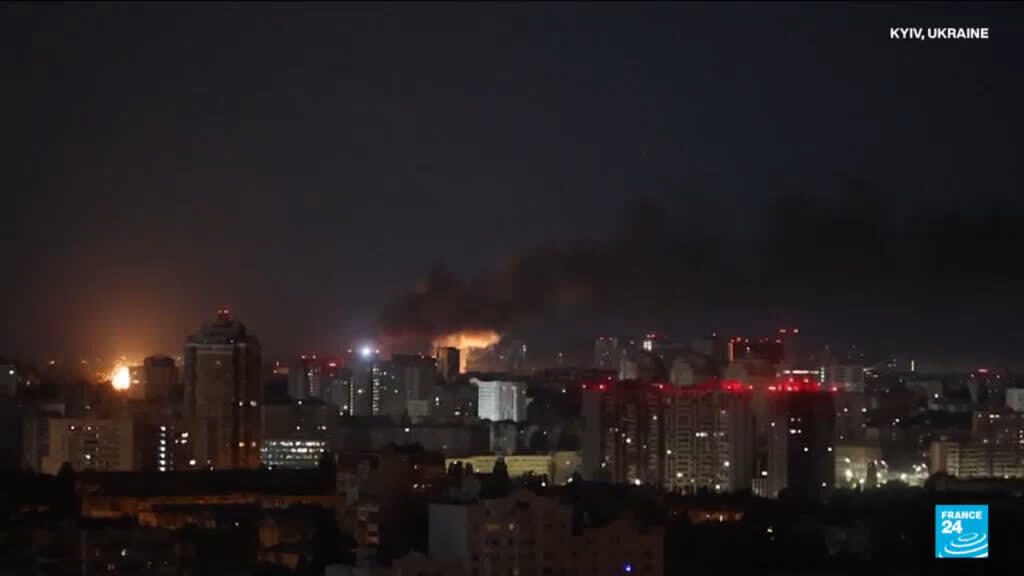
Ukrainian forces have launched a sustained campaign to sever Russian military supply lines into Crimea, systematically targeting transport ships, critical highways, and energy infrastructure across the region. The effort marks a deliberate shift toward cutting off the occupied peninsula from the mainland.
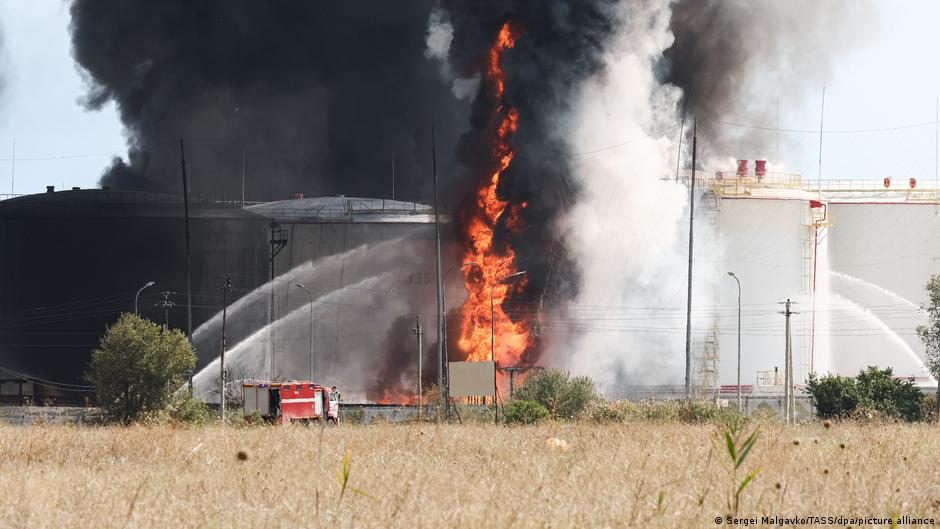
The operation relies on long-range drones to strike small Russian tankers in the Sea of Azov and the Black Sea, alongside the M14 highway connecting Rostov-on-Don to occupied Melitopol. Robert "Magyar" Brovdi, the Ukrainian commander for unmanned systems, reported that 196 Russian ships and more than 100 energy facilities were hit in the past month alone, though these figures remain unverified.
Crucially, Ukraine is intentionally sparing the Kerch Bridge. Brovdi stated the crossing is being maintained as an escape route for civilians. Instead, the goal is to make it "impossible for the Russian military machine to remain and continue to operate there."
The logistical squeeze is aimed at starving Russian forces in southern Ukraine, particularly around Zaporizhzhia and Kherson. By destroying a thermal power station that generated 60% of Crimea's electricity and interrupting oil supplies, Ukraine is stripping the peninsula of its value as a military hub. "This way we are not isolating only Crimea but also the Russian troops in the south of Ukraine," said Pavlo Narozhnyi, a Ukrainian military expert.
The blockade has triggered a breakdown in civilian services for the roughly three million residents dependent on Russian supply lines. A state of emergency is in effect across northern Crimea and Sevastopol, where power and water disruptions have halted public transport and forced shops to discard perishable goods. "There are no milk products, or fish, or meat," said Ivan, a northern Crimea resident.
For Europe, this strategy holds significant implications for the long-term trajectory of the war. Sidharth Kaushal of the Royal United Services Institute noted that a sustained blockade could ultimately compel Moscow to negotiate a ceasefire. Furthermore, Narozhnyi projected that winter heating demands will soon force the Kremlin to split its focus between military survival and civilian unrest.
By neutralizing what drone operator Ivan Kyrychevskyi called Russia's "tranquil harbor and unsinkable aircraft carrier," Ukraine is betting that logistical collapse will achieve what frontline assaults have not.