Spain scrambles after Ceuta migrant rush as Italy suspends Schengen
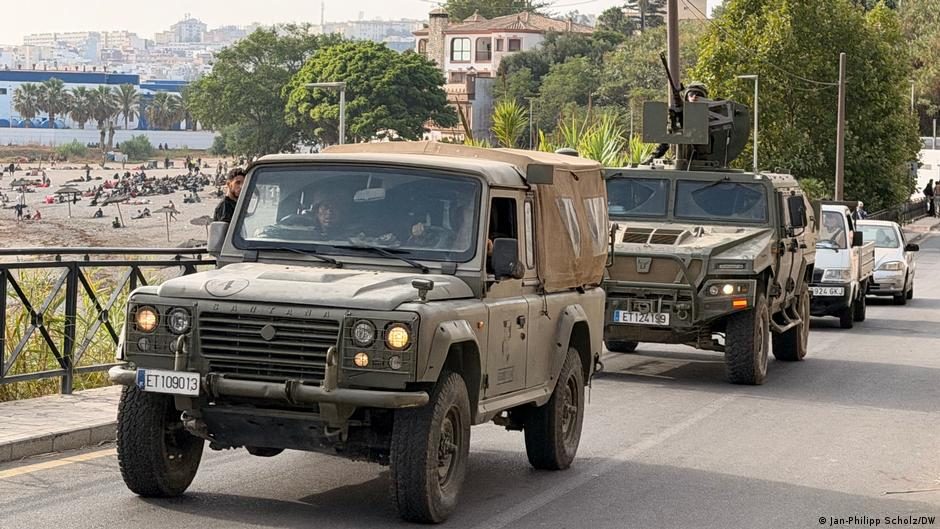
The sudden arrival of up to 60,000 migrants in Ceuta has killed 72 people, triggered Italy to suspend free travel with Spain, and forced an emergency EU ministerial meeting over border security.
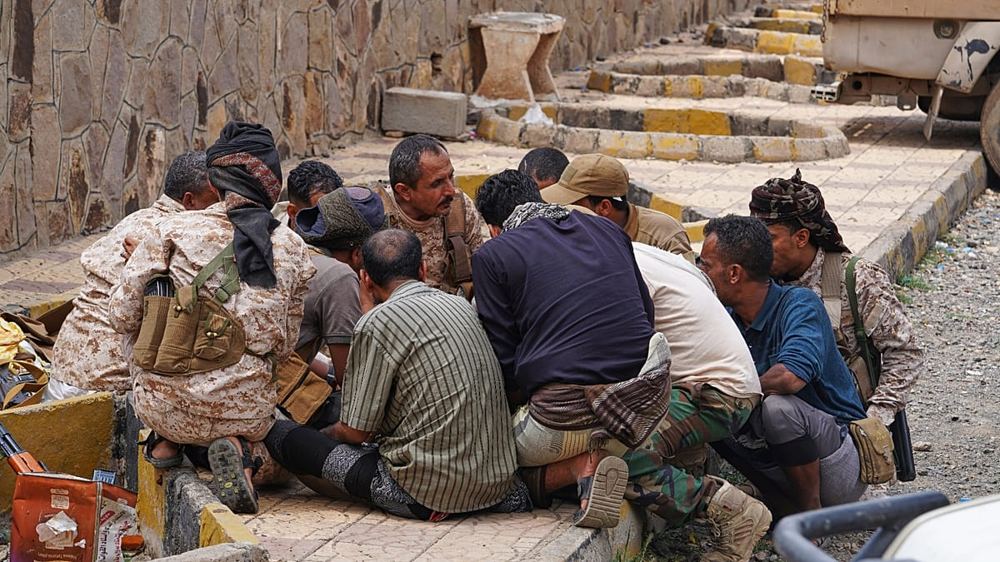
Spain is grappling with the aftermath of an unprecedented border breach in Ceuta, where up to 60,000 migrants overwhelmed defenses late last week. At least 72 people died in the rush, succumbing to drowning or stampedes at border fences, while over 1,000 received medical treatment. Most migrants have since walked back across the border to Morocco, and Spanish authorities have installed a 500-meter floating barrier to secure the coastline.
The sudden influx has immediately fractured Europe's free-movement architecture, raising questions about the stability of the Schengen Area. Italy unilaterally suspended visa-free travel with Spain for one month, a move Prime Minister Pedro Sanchez criticized as "selfish." France rejected similar demands, with Interior Minister Laurent Nunez stating that kicking Spain out of Schengen is "absolutely not on the table," though Paris has increased its own border controls.
European institutions are now scrambling to coordinate a response. Ireland, holding the EU's rotating presidency, will convene an emergency video conference of interior ministers on Tuesday after 22 member states called for unified action. European Commission President Ursula von der Leyen noted that no migrants reached the European mainland, but warned that the bloc's border system "needs to be further strengthened."
The crisis has turned a harsh spotlight on Spain's domestic migration policies and their continental repercussions. Madrid recently announced a plan to legalize up to 500,000 undocumented migrants, a strategy heavily condemned by conservative and far-right politicians who blame it for the border chaos. Opposition leader Alberto Nunez Feijoo traveled to Ceuta to attack the government's handling of the crisis, while Vox leader Santiago Abascal called the surge an "invasion" and an "act of war."
This political backlash carries significant risks for EU-Morocco relations. Abascal demanded the scrapping of the EU-Morocco agreement, a crucial partial free-trade deal, while German opposition leader Friedrich Merz insisted Morocco take back the irregular migrants "without delay." Morocco has denied responsibility, instead blaming social media misinformation, smugglers, and a Spanish court ruling that banned the immediate return of migrants arriving by sea.