Reform UK's Farage fades from view amid polling slump and Burnham bounce
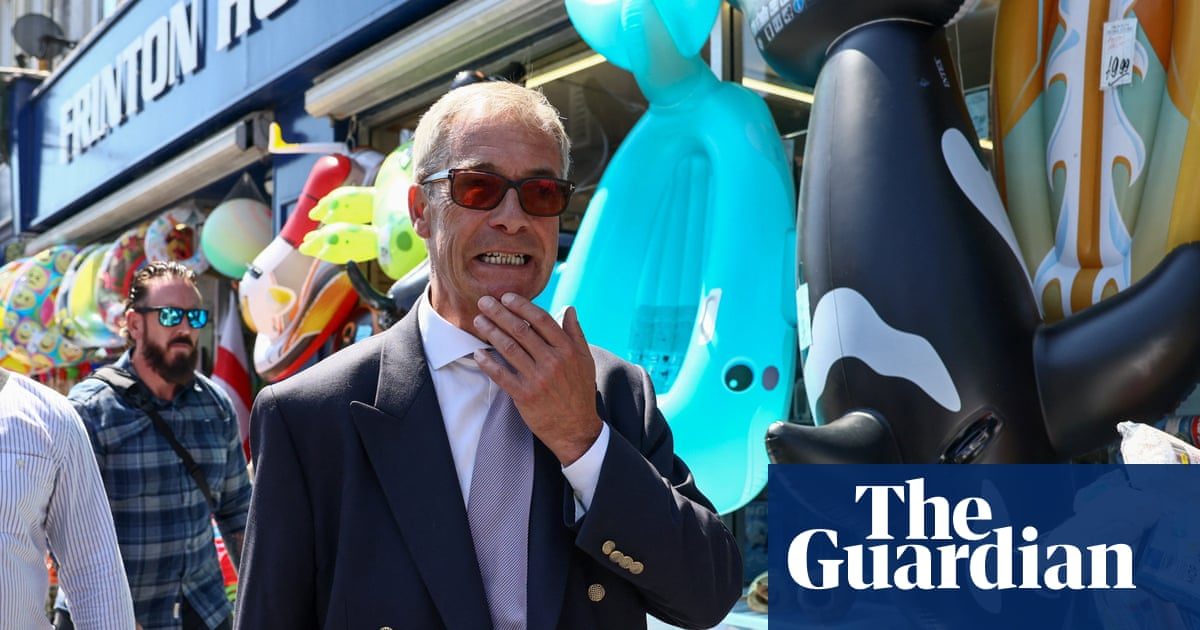
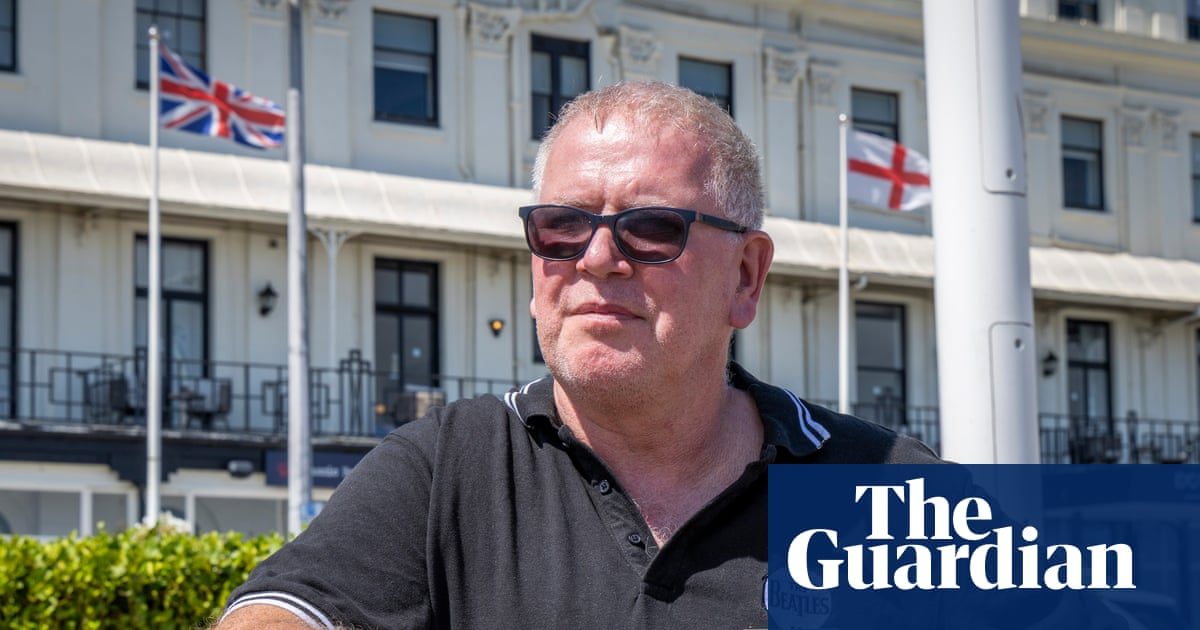
Nigel Farage has sharply reduced his public appearances as new Prime Minister Andy Burnham soaks up media attention, threatening to break the positive feedback loop that propelled Reform UK to the top of British polls.
Nigel Farage is set to hold a press conference in London next week, his first in the capital in over three months and only his third since May’s local elections. The retreat marks a stark shift for the Reform UK leader, who spent the previous summer dominating the news cycle with weekly briefings on crime and immigration.
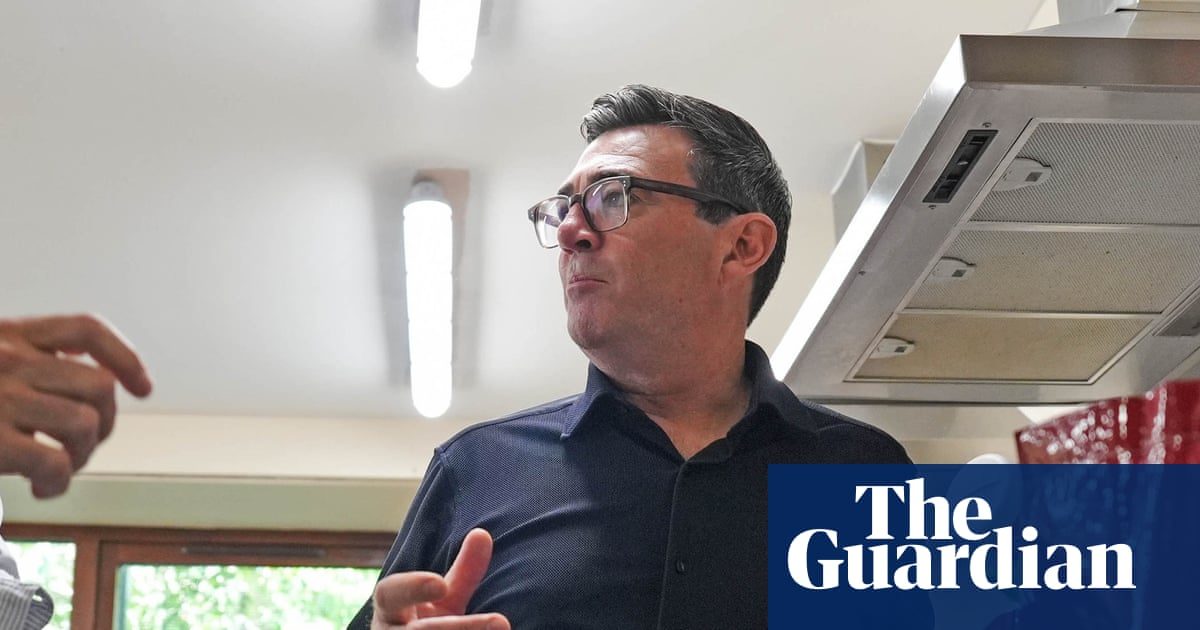
The immediate cause is the arrival of a new prime minister. Andy Burnham has unleashed a whirlwind of policy announcements since taking office, and Farage’s team sees no value in competing for airspace. “Burnham was always going to get a lot of oxygen at this stage of the cycle,” one aide said. “Why would we waste key announcements?”
Yet the absence is also defensive. Since April, when it was revealed he accepted an undeclared £5m gift from crypto-billionaire Christopher Harborne, Farage has faced relentless scrutiny over his party’s finances. That pressure, combined with December questioning over historical racism allegations which he denies, has made the usually media-friendly leader far less willing to face unscripted questions.
His visibility has been further restricted by a byelection he called in his Clacton constituency for 13 August. Because the main opposition parties declined to stand, leaving him to face 33 novelty or fringe candidates including Count Binface, strict broadcasting rules on electoral balance have effectively barred Farage from the airwaves during the campaign.
Reform has tried to fill the void with figures like home affairs spokesperson Zia Yusuf and Robert Jenrick, its Treasury spokesperson, who this week attacked Burnham’s social care plans. The vacuum has also benefited Conservative leader Kemi Badenoch, who has adopted Farage’s own playbook of holding open press conferences to increase her visibility.
For a European economy tracking Britain’s political realignment, the fading momentum of Reform UK is a notable shift. The party slipped behind Labour in two polls this week, ending a streak of more than 300 consecutive surveys where it led. Robert Ford, professor of politics at the University of Manchester, said: “It’s always a net minus for Reform when the second stringers have to come out because the lead singer is unavailable. Nobody particularly likes the tunes when they’re sung by somebody else.”
Ford argues the media dynamic that previously boosted Farage has reversed. “Last summer really was the halcyon days for them. They’d had the amazing local election results. They’d overtaken Labour and the Tories in the polls. That then generated bursts of new media attention,” he said. “I said at the time it may have come too early – there was no way even the supportive press were going to write stories about Farage potentially being the next PM for three years. They were going to go somewhere else, and one of the obvious places was his finances.”
The risk for Reform is that this loss of narrative control is translating into hard data, with Farage’s personal approval ratings sinking. “It has sunk quite a lot this year, including the share who strongly disapprove of him. This is quite a significant number in terms of tactical voting. You’re more motivated to tactically coordinate to keep out somebody you strongly dislike than someone you mildly dislike,” Ford said.