Strongest Naples quake in 40 years halts ferries and trains, injuring 26
A 4.7-magnitude earthquake in Italy’s Campi Flegrei volcanic zone has injured dozens and severed critical transport and power links, highlighting severe infrastructure vulnerabilities in one of Europe's most densely populated regions.
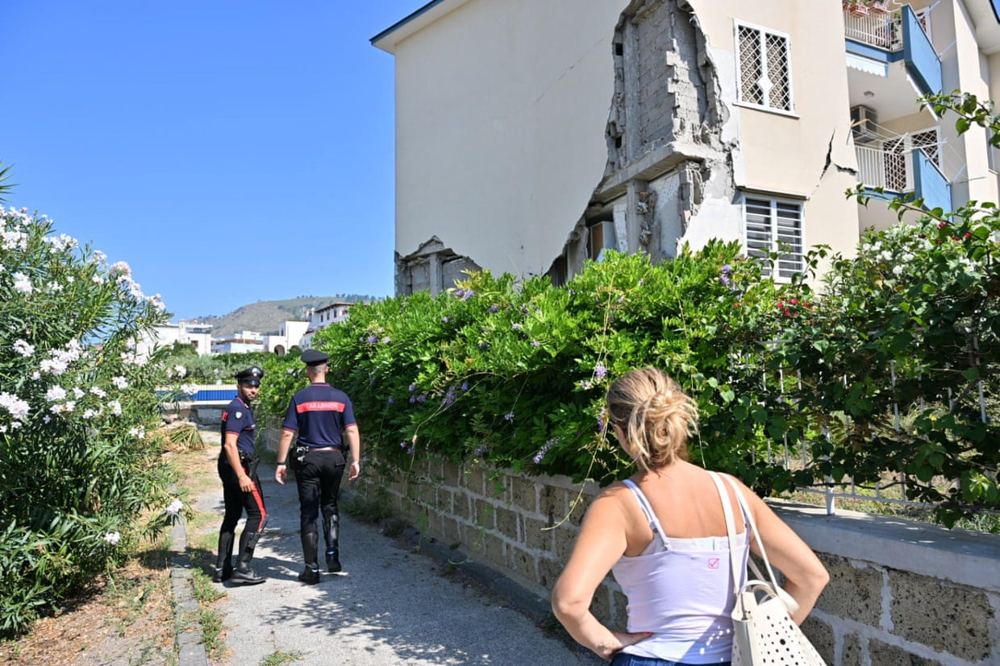
A 4.7-magnitude earthquake struck southern Italy on Friday evening, injuring at least 26 people and triggering landslides near the Campi Flegrei volcanic crater. The shallow tremor, the strongest to hit the area in four decades, forced the evacuation of roughly 300 residents in the coastal city of Pozzuoli.
The seismic event immediately paralyzed regional transit networks, disrupting supply chains and isolating island communities. Ferry and hydrofoil services were suspended after the Pozzuoli pier was rendered unusable, while high-speed rail passengers faced delays of up to six hours due to emergency rerouting.
Energy infrastructure also sustained major damage when a high-voltage pylon partially collapsed in the Agnano district. Firefighters reported that the structural failure cut electricity to approximately 100,000 households across the wider Naples metropolitan area.
Italy’s national institute of geophysics and volcanology classified the event as part of an ongoing seismic swarm, registering roughly 60 subsequent tremors overnight. Civil protection minister Nello Musumeci warned that the underlying volcanic activity remains unresolved and urged continued caution for the region.
Physical damage to the built environment was concentrated in Pozzuoli, where cliff sections and unoccupied structures gave way. Inspectors have already condemned nine buildings as unsafe, and falling rubble crushed parked vehicles without causing additional casualties.
Local frustration is mounting over municipal preparedness and the speed of the emergency response. One rescuer stated the situation was "foreseeable" and that the municipality "knew about the situation and did nothing" despite known mountain instability for a year and a half.
Displaced residents spent the night outdoors, citing a severe lack of official guidance from local government. One local described the terrifying duration of the event, stating they were "left here in the middle of the street" with very young children and no one to tell them what to do.
For the broader European economy, Campi Flegrei represents a massive geological risk sitting directly adjacent to a major commercial hub. Prolonged seismic swarms threaten to depress regional tourism, complicate insurance underwriting for coastal properties, and strain public finances through continuous infrastructure repairs.