Severe drought halts Danube shipping and forces nuclear reactor shutdowns
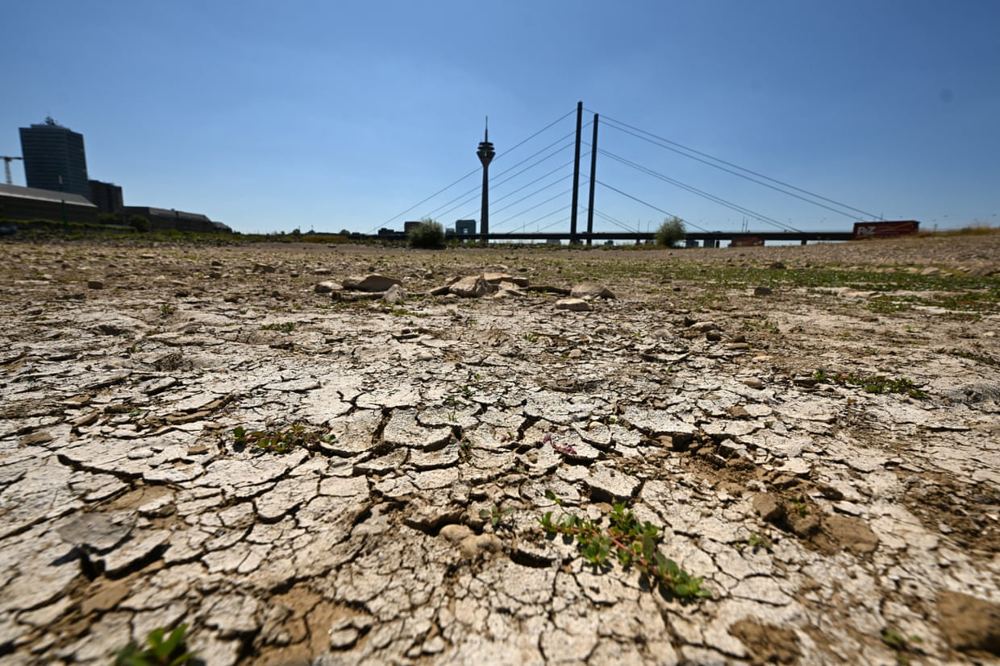
Record low water levels on the Rhine and Danube are choking European supply chains and forcing unprecedented nuclear power cuts across central and eastern Europe.
Record droughts and baking temperatures exceeding 38C have driven water levels on the Danube and Rhine to historic lows, triggering compounding crises from the Netherlands to the Black Sea. The severe conditions have paralyzed inland shipping and forced Hungary and Romania to shut down nuclear reactors that rely on the rivers for cooling.
In Hungary, the 44-year-old Paks nuclear plant, which generates nearly half of the national electricity supply, has been operating at less than 50 per cent capacity. Prime minister Péter Magyar warned the facility could be completely powered down next week, creating an energy crisis situation.
A concurrent malfunction at the Százhalombatta gas-fired plant has worsened the national grid shortage. Authorities have ordered carmakers and battery manufacturers to reduce consumption, while citizens are being asked to avoid charging electric vehicles or using air conditioners during peak evening hours.
Romania has similarly shut down a reactor at the Cernavodǎ power plant for safety reasons, with a second unit scheduled to follow. Prime minister Ilie Bolojan indicated the shutdowns could last up to two weeks and urged the public to limit evening electricity use.
The drought is equally disruptive to freight logistics in western Europe, where water levels on the Rhine have fallen to near record lows. Shallow waters have forced cargo vessels to reduce loads to roughly 20 per cent of their normal capacity, threatening supply bottlenecks for grains, coal, and oil products in the EU's largest economy.
Further east, cargo operations on the Danube have ground to a near halt, leaving ships stranded from Slovakia to Bulgaria. In the Netherlands, the Rhine has reached its lowest recorded level at the border, exacerbating an official water shortage that has already triggered farming restrictions.
The crisis has also decimated the regional tourism sector and exposed historical relics on the riverbeds. In Serbia, houseboat owner Radovan Segrt noted the water withdrew up to 20 metres, ending his summer excursion season, while dropping levels in Budapest forced the closure of the Margaret Bridge after exposing a wartime bomb.
Dropping water levels have also revealed a woolly mammoth skeleton in Bulgaria and left local fishers without work near the Vidin-Calafat Bridge. “It’s never dried up this much before,” Rossen Dobrev said. “Now we can even walk all the way to Romania.”