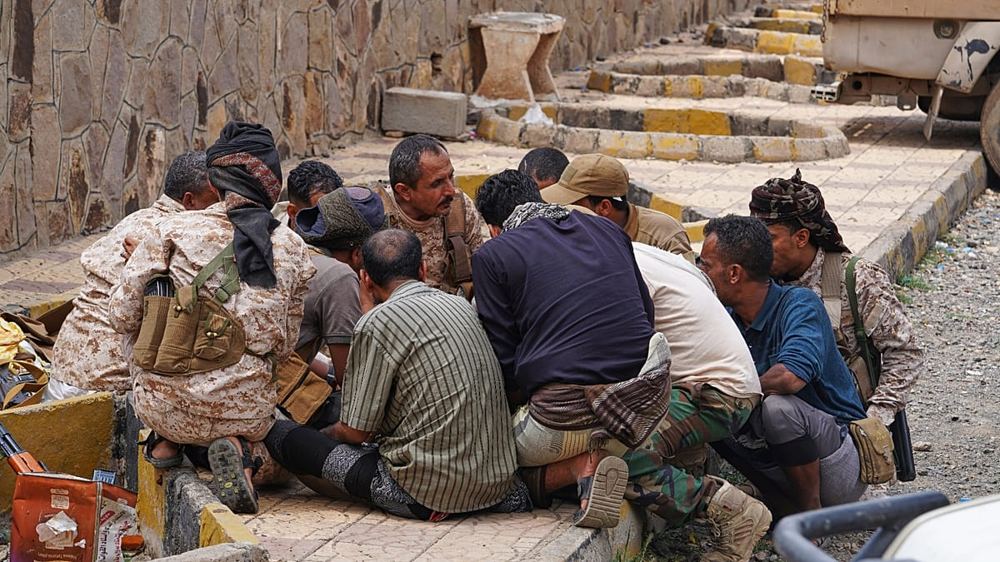
Spain restores Ceuta border after 60,000 migrants cross from Morocco
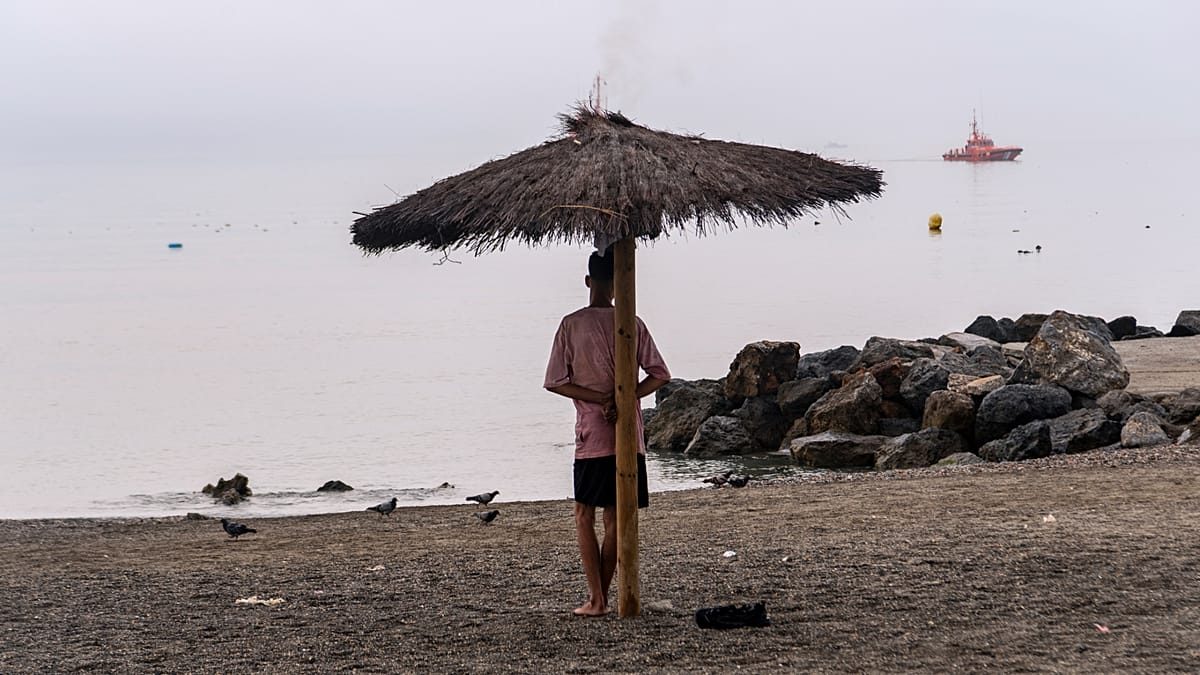
Madrid has largely returned 60,000 migrants to Morocco following a deadly surge at the Ceuta border, highlighting the fragility of Europe’s southern frontier and the economic desperation driving mass migration.
Spanish authorities have returned nearly all of the 60,000 migrants who breached the Ceuta border back to Morocco. Interior Minister Fernando Grande-Marlaska told reporters that the situation has been "almost entirely reversed," with soldiers and police escorting the final groups across the frontier on Saturday morning.
The mass crossing exacted a heavy human cost, with Grande-Marlaska confirming at least 67 deaths. Victims either drowned while swimming around a coastal barrier to reach Tarajal beach or were killed in a stampede at a breakwater.
To prevent future breaches, Spain is installing a 500-metre containment barrier along the sea border of the 18.5-square-kilometre enclave. Grande-Marlaska credited rapid cooperation with Moroccan authorities for resolving the crisis within 24 hours.
Despite the scale of the incident, the interior minister emphasised that Morocco is a reliable partner and not a threat to Spanish territory. Officials from both nations are now scheduled to evaluate the events that led to the sudden influx.
The immediate trigger for the surge remains unconfirmed, though Myriam Cherti, a researcher at the University of Oxford, noted that social media posts actively encouraged the crossings days in advance. These online campaigns provided practical advice on navigating the border and interacting with authorities.
Underlying the crisis is a stark economic disparity that continues to drive migration toward Europe's only land borders with Africa. Migrants are fleeing severe wage stagnation, with individuals like a 42-year-old security guard named Soufian reporting earnings of just 10 euros for 12-hour shifts in Morocco.
Cherti explained that migrants are driven by despair and a sense of obligation to support their families after other avenues have failed. They are pursuing economic opportunities that simply do not exist in their home country.
This incident mirrors previous border surges linked to diplomatic friction between Madrid and Rabat. A similar crisis in 2021 saw more than 10,000 migrants enter Ceuta in just two days, underscoring the recurring volatility of the region's frontier.