Boy Throb visa delay tests value of social media fame in US immigration
A viral pop group's struggle to secure a US work visa for its India-based singer highlights the growing friction between digital creator economies and rigid international immigration frameworks.
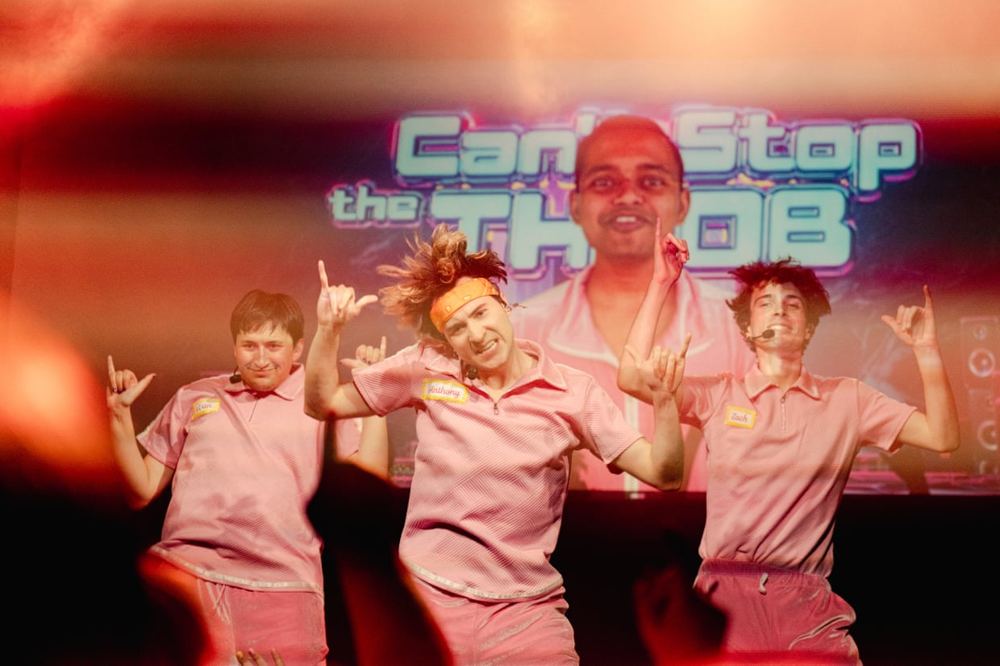
During a packed July concert at New York’s Irving Plaza, pop group Boy Throb performed with their fourth member, Darshan Magdum, appearing via Zoom from India. Magdum remains stuck abroad while his application for an O-1 visa, a category reserved for exceptional talent, remains in limbo.
The band submitted the application in December, aiming to leverage their viral TikTok success to prove Magdum's exceptional abilities. Internet personalities are increasingly relying on this specific visa category as social media platforms redefine the mechanics of modern fame and global talent acquisition.
To meet the stringent requirements, the group launched a targeted digital campaign to reach one million followers on TikTok. They altered the lyrics of popular cover songs to petition the government and even staged protests outside a Los Angeles television station to secure local media coverage.
The strategy successfully built an audience, but it also triggered regulatory scrutiny regarding the authenticity of digital influence. In March, the government requested additional evidence, arguing in a letter that manufacturing press coverage to boost an application does not prove a distinguished reputation.
This official skepticism creates a bottleneck for independent labels and agencies investing in digital-native acts. Jonathan Grode, a Pennsylvania immigration lawyer representing the band, noted the case "fundamentally begs the question" of how modern fame is created when online metrics precede traditional industry recognition.
To counter accusations that the group is merely a satirical internet gag, the Los Angeles-based trio has pivoted toward traditional music industry revenue streams. They recently secured a contract with Kesha Records, an independent label owned by the pop singer Kesha. The artist also featured the group during her set at the Bonnaroo music festival in June.
The commercial viability of this strategy was evident at the New York show, where branded pink sweatsuits priced at $119 and T-shirts denying the group is a satire sold out. The group is currently on a three-stop Rehearsal Tour, treating the dates as a commercial proof-of-concept while awaiting a visa resolution.
For the broader European and global creative economy, the dispute underscores the risks of relying on borderless digital platforms for career development. As protectionist policies tighten, digital creators and their investors face mounting legal hurdles when attempting to convert online engagement into physical market access.