Mountaineer Nirmal Purja and nine others killed in Broad Peak avalanche
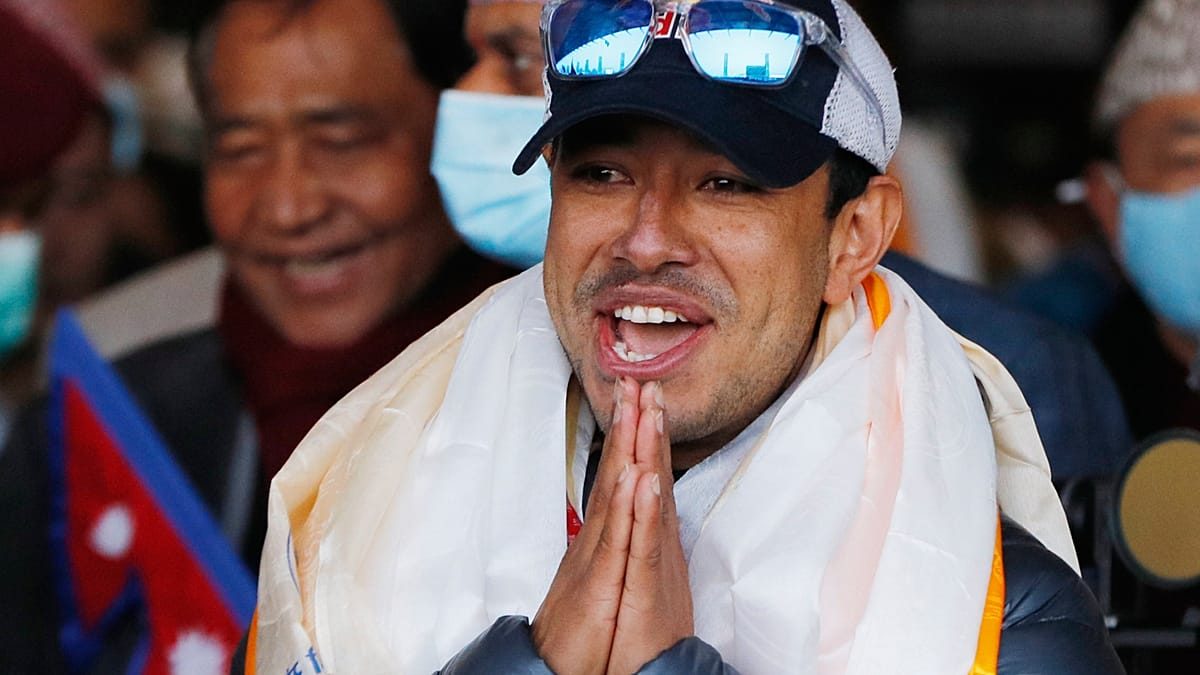
The death of the Elite Expeditions founder and his team highlights the severe operational risks inherent in the commercial high-altitude mountaineering industry.
British-Nepali climber Nirmal Purja and his nine-person expedition team have died after an avalanche struck Broad Peak in northern Pakistan. The disaster occurred on Thursday at an altitude of around 6,600 metres, severing contact with the base camp during their ascent of the 8,047-metre mountain.
Purja’s guiding firm, Elite Expeditions, confirmed the fatalities on Saturday. "It is with profound sadness and immense heartbreak that we confirm that Nirmal Purja tragically lost his life following the avalanche on Broad Peak," the company stated, adding that other expedition members also perished.
Search and rescue operations, hampered by severe weather, resumed on Saturday with military helicopters and local high-altitude porters. Authorities have recovered the remains of three climbers, an American woman, an Omani woman, and a Nepali man, which were flown to a hospital for formal identification.
The international team was swept away while attempting to summit the world's 12th highest peak. "Data from their tracking devices indicates that they were thrown hundreds of metres down the mountainside," said Naila Kiani of the Alpine Club of Pakistan.
For the commercial mountaineering sector, the loss of a figure like Purja represents a significant blow to the industry's leading brands. Elite Expeditions and similar firms cater to a global clientele willing to pay premium rates for guided ascents, making star guides essential to their business models and risk management strategies.
Purja had built a formidable public profile and commercial brand around extreme endurance. In 2019, he set a record by climbing all 14 peaks above 8,000 metres in just six months and six days, a feat that transformed him into a global ambassador for high-altitude adventure tourism.
At the time of the avalanche, he was attempting to become the first person to summit all 14 super peaks twice without supplemental oxygen. He had posted on social media earlier in the week, asking the mountain for "safe passage up and back down."
The expedition consisted of ten individuals, comprising five Nepali nationals alongside single representatives from Pakistan, Oman, the United States, and China. One associate, Fida Ali, narrowly avoided the disaster after leaving the initial stages of the Broad Peak climb to escort an exhausted Russian client.
Nepal's Prime Minister Balendra Shah expressed shock at the loss, noting that the climbers' physical journey was interrupted but their courage would remain inspiring. Karrar Haidri, vice president of the Alpine Club of Pakistan, confirmed that the team lost contact immediately after the avalanche struck.