Labour's Bev Craig wins Manchester mayoral race on second preferences
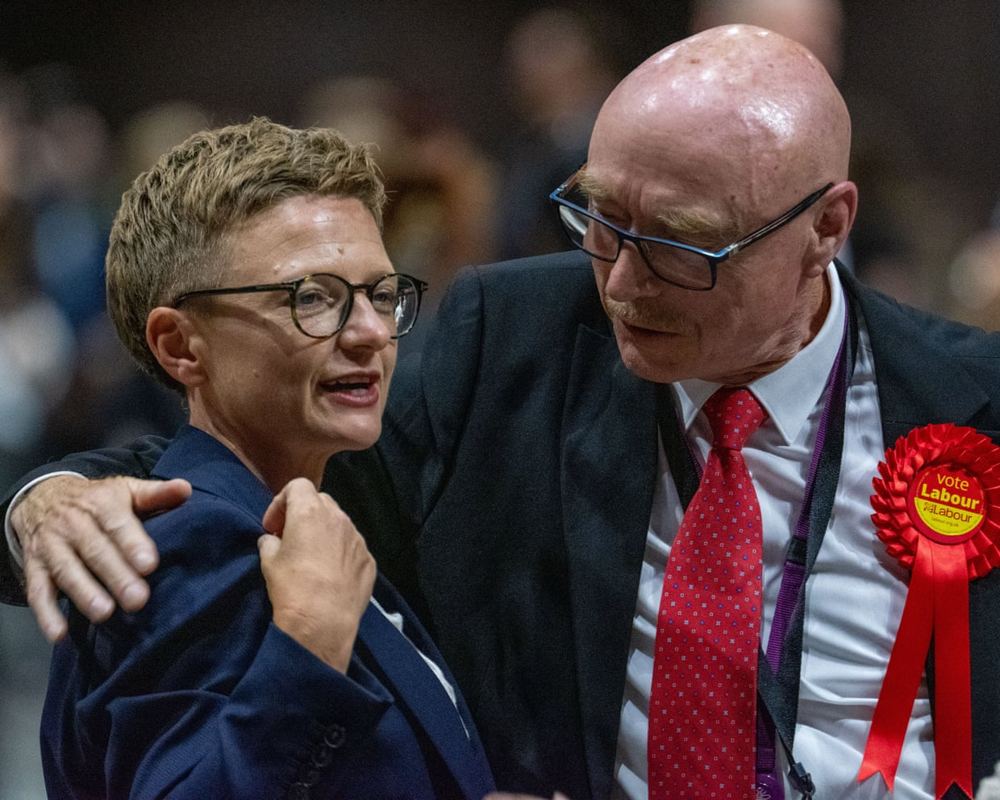
Labour's Bev Craig has won the Manchester mayoral election through second-preference voting, a result that highlights the UK's shift towards bloc politics and carries implications for economic governance under a fragmented system.
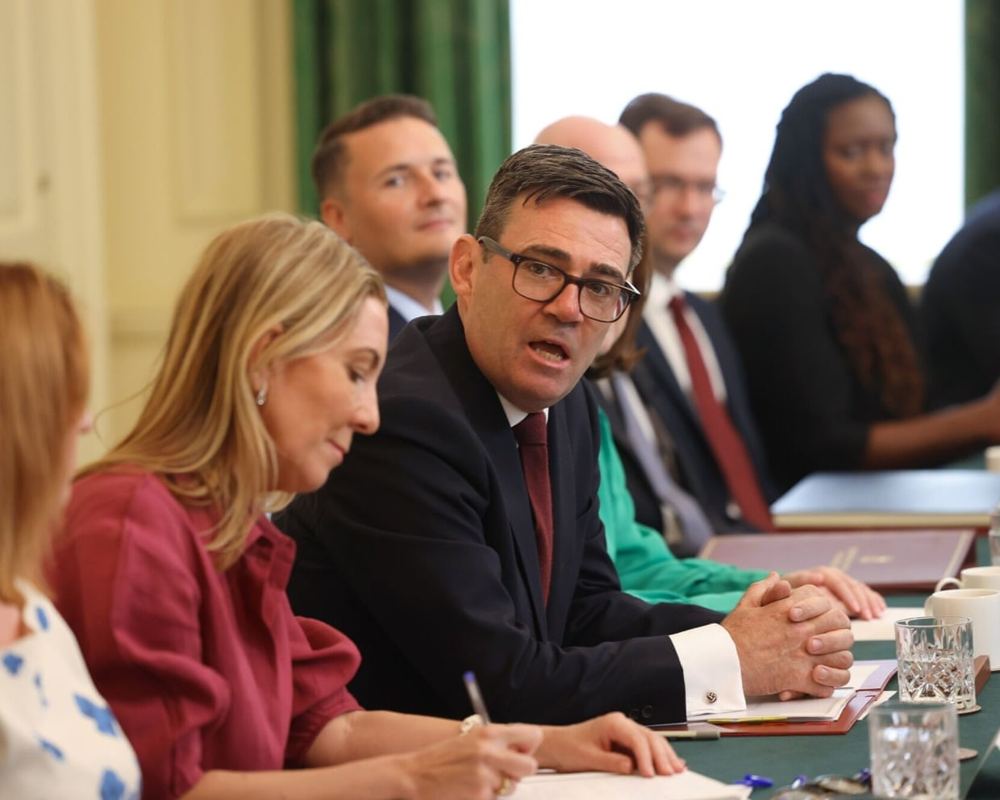
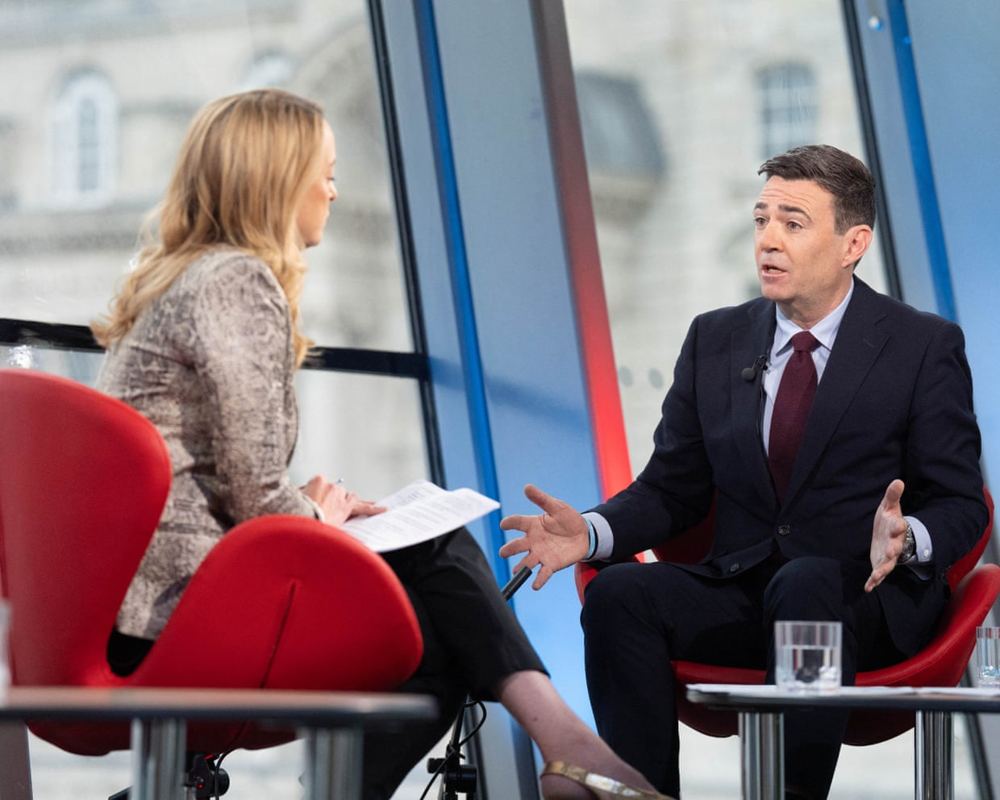
Bev Craig has been elected as the new mayor of Greater Manchester, succeeding Andy Burnham. Under the supplementary vote system, Labour secured 47% of the first-round vote, a significant drop from the 63% threshold Burnham never fell below in his three previous campaigns. However, an estimated seven in ten progressive voters used their second preferences to back Craig, securing her victory.
The result underscores a structural shift in British politics towards rigid left-right voting blocs. For the economy, this fragmentation creates a specific risk: it produces governments with weak mandates that struggle to implement stable, long-term policy. As seen in the 2024 general election, majorities can be won on a low share of the vote, but such negative support melts away when conditions become difficult. Unless a leader can secure and maintain backing closer to 40%, governing remains treacherous.
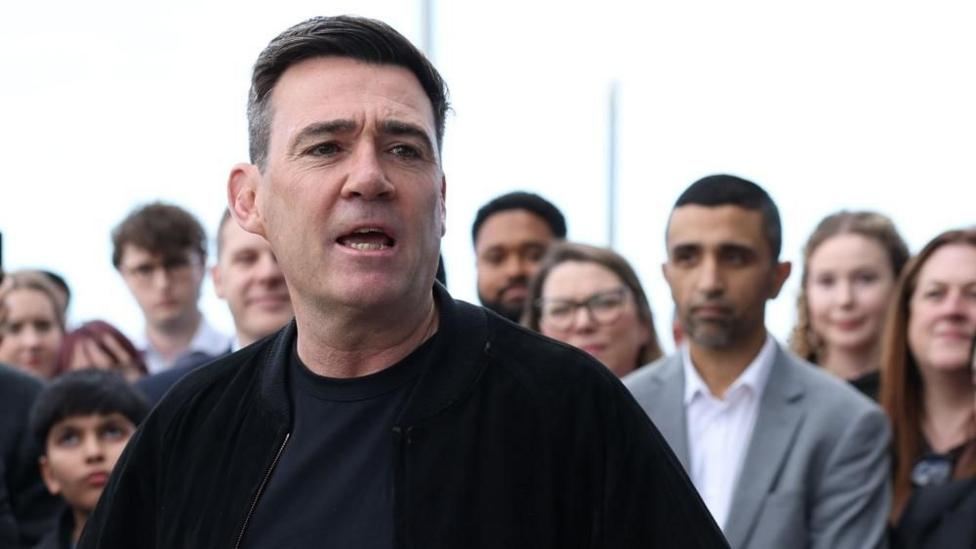
Burnham’s tenure in Manchester offers a counter-example to this instability. By building a long-term cross-party consensus, he facilitated sustained state and private sector investment. This collaborative governance model made Greater Manchester the fastest-growing economy in the country. It also led Burnham to back a fully proportional voting system, recognizing the value of engaging non-Labour voters.
To replicate this stability nationally, progressive parties face the challenge of organizing their fragmented voting bloc. Voters are already showing discipline, consolidating behind the candidate best placed to defeat the right in byelections like Gorton, Denton, and a 2025 Senedd contest. They have also shown a willingness to step aside entirely, as seen in Clacton where progressive parties pulled out to avoid handing a victory to Reform.
The immediate test of this progressive alignment comes on 2 September. The Commons will vote on an elections bill amendment to establish a national commission paving the way for proportional representation. Burnham and Labour staunchly back the system, aligning with manifesto promises from the Liberal Democrats and the Greens.
British politics is highly volatile, and the right is expected to ruthlessly unite to maintain power. For businesses and investors, the upcoming vote on electoral reform is a critical indicator of whether the UK can transition from a fragmented, short-term political landscape to the kind of cross-party consensus that drives sustained economic growth.