ITALY ISSUES HIGHEST HEAT ALERT FOR 25 MAJOR CITIES
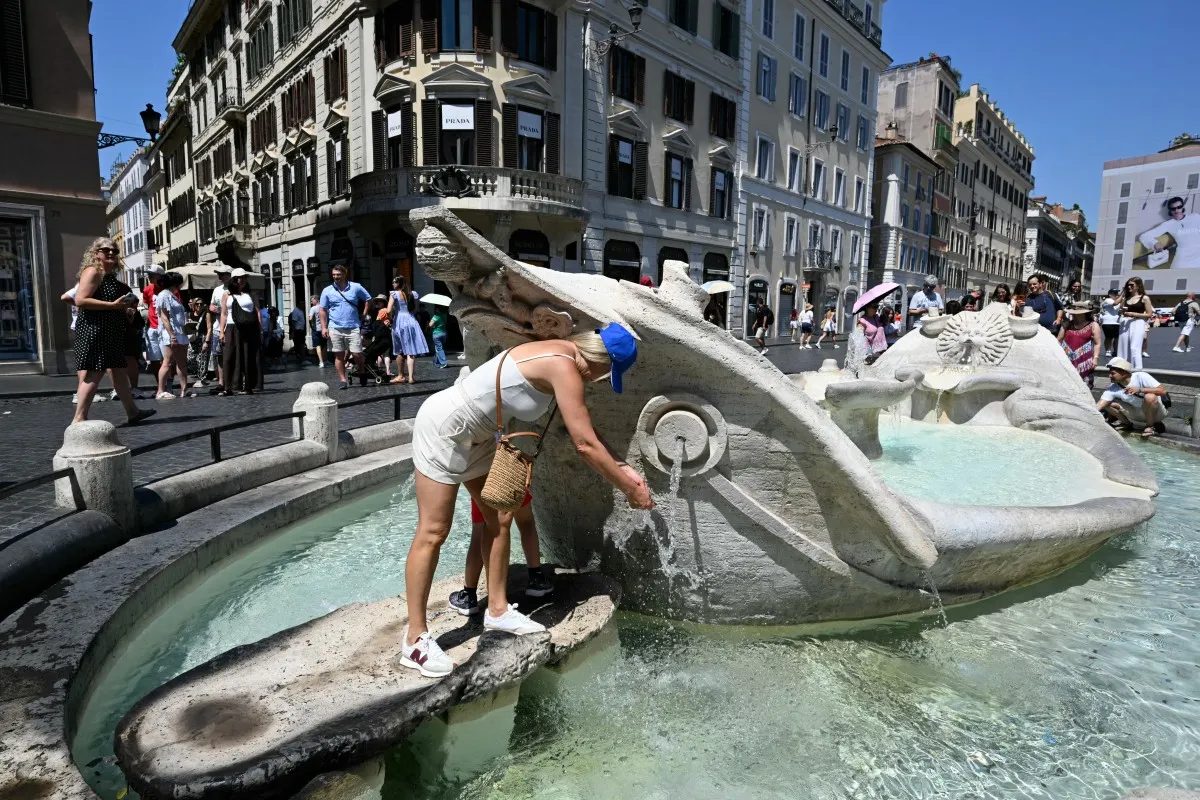
Italy's health ministry has placed almost all major urban centers under its maximum heat warning, posing direct health risks to the active workforce and challenging normal business operations.
Italy’s health ministry has placed nearly all of the country's major urban centers under the highest level of heat alert. With temperatures forecast to reach into the high 30s Celsius on Monday, authorities are bracing for widespread extreme weather impacts across the nation.
The severe weather system has tracked across the continent over the past seven days. After initially striking western Europe at the start of last week, the heatwave roasted central Europe before finally pushing south into Italy on Saturday.
Rome and Milan were among the first municipalities to face the maximum warning level over the weekend. They were joined by 17 other cities on Saturday as the weather system intensified across the northern and central regions of the country.
By the start of the new week, the highest alert status had expanded to cover almost the entire national network of major urban areas. Out of the nation's 27 major cities, only Reggio Calabria at the southern tip of the Italian boot and Messina, located across the strait in Sicily, were excluded from the highest risk category.
The escalation to the maximum alert level represents a severe shift in public health risk. The health ministry explicitly stated that the current weather is "likely to have harmful effects on the health of healthy and active people, and not only on at-risk groups such as the elderly, very young children, and people with chronic illnesses."
For businesses and local economies, this specific distinction carries substantial weight. When dangerous heat threatens the broader, active workforce rather than just vulnerable demographics, companies face immediate challenges related to occupational safety, labor productivity, and the operational costs of cooling facilities.
The rapid spread of these maximum alerts across Italy highlights the intensifying pressure that extreme weather places on European infrastructure. As heatwaves become a recurring seasonal disruption, managing the health and operational risks for the general working population is becoming a critical economic challenge.