Uber brings robotaxi push to Munich and Madrid in 30-partner AV strategy
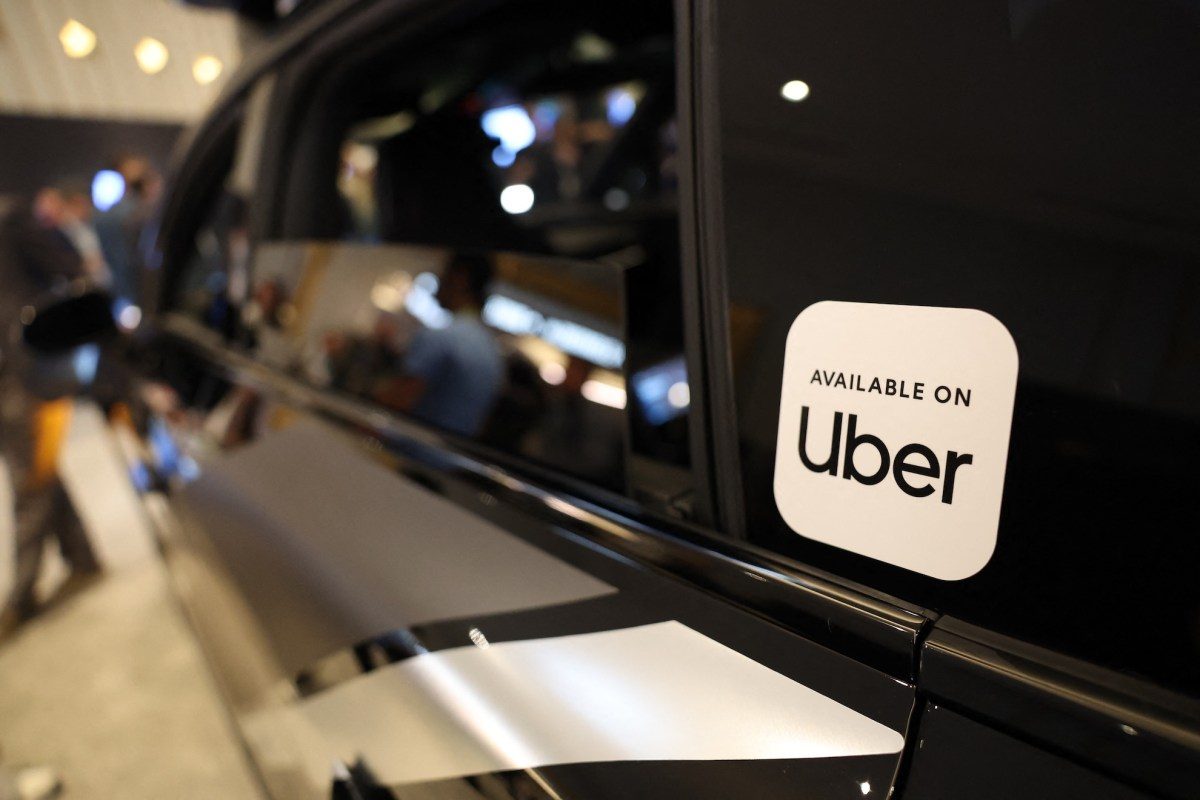
Uber has signed deals with more than 30 autonomous-vehicle companies and is now launching its first European robotaxi services, betting that owning the customer app matters more than owning the self-driving technology.
Uber announced in June 2026 that it will launch a robotaxi programme in Munich with Israeli firm Autobrains, pending German regulatory approval, alongside a separate autonomous ride-hailing service in Madrid operated with Chinese AV company WeRide. The two European launches sit inside a far broader campaign: over the past two years Uber has struck partnerships or made direct investments in more than 30 autonomous-vehicle companies worldwide.
The Munich deal is deliberately structured as "OEM-agnostic," meaning no single carmaker supplies the vehicles. Instead, cars will run Autobrains' agentic AI driving system on Nvidia's Drive Hyperion platform, and passengers will summon them through the existing Uber app. In Madrid, fleet operations are handled by Avomo, a European company formerly known as Moove Cars in which Uber has held a 30 per cent stake since 2021.
A third European front, London, remains on paper. Baidu said in late 2025 that it would begin testing its Apollo Go robotaxis in the British capital in the first half of 2026 through its Uber partnership. As of June, those tests had not started.
From moonshot to marketplace
Uber's current approach is the inverse of what it tried a decade ago. Under then-chief executive Travis Kalanick, the company built its own self-driving unit, Uber ATG, recruited heavily from Carnegie Mellon, and tested vehicles on public roads in Pittsburgh, Arizona and California. A fatal pedestrian crash in Tempe, Arizona, in 2018 and a trade-secrets lawsuit from Waymo ended that era. Successor Dara Khosrowshahi sold ATG to Aurora in 2020 and retreated to core ride-hailing and delivery.
By 2022 Uber was back in the space, but as a dealmaker rather than an engineer. Deal flow accelerated sharply in 2024 and has not slowed since.
Money behind the model
The financial commitments underline that this is not a series of loose experiments. Uber now holds a 19.7 per cent Class A equity stake in Aurora, whose self-driving trucks are completing roundtrip hauls between Dallas and Houston via Uber Freight. In Lucid Motors, Uber owns more than 11 per cent after committing a total of $500 million and ordering at least 35,000 vehicles fitted with Nuro's driving system for a planned premium robotaxi tier. Avride, the Yandex spinout under Nebius Group, disclosed $375 million in strategic investments and commercial commitments from Uber and Nebius, though its Dallas robotaxis still carry a human safety operator and drew a US safety investigation in May 2026 after more than a dozen crashes.
What it means for Europe
For European policymakers and carmakers, the significance is structural. Uber is not asking regulators to approve one proprietary vehicle; it is asking them to license a platform that can bolt different AV systems onto different chassis. The Munich arrangement, with no single OEM attached, could set a template that sidesteps Europe's traditional carmaker-led approval processes.
Whether national regulators in Germany, Spain and eventually the UK move quickly enough to keep pace with Uber's deal-making cadence will determine how much of this network actually reaches European streets before the end of the decade.