Infantino abandons World Cup sell-off after UEFA boycott threat
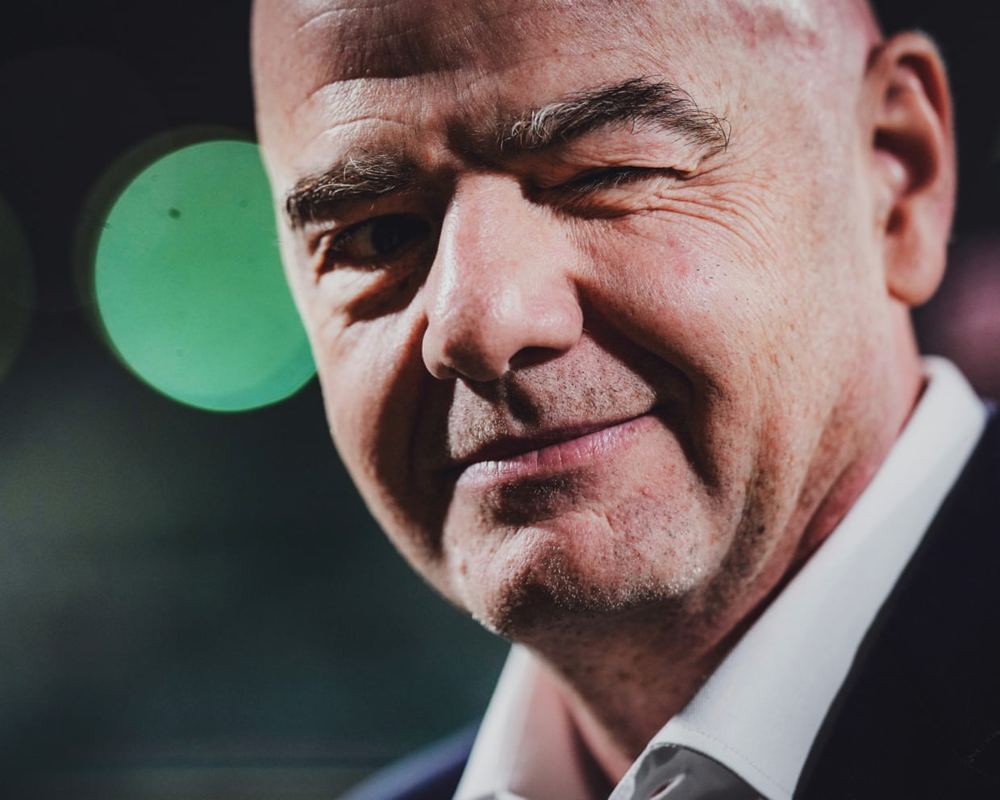
FIFA's president reversed his plan to hand World Cup commercial rights to private investors after European federations pledged to walk away from future tournaments, deepening questions over his leadership.
Gianni Infantino conceded defeat on Saturday morning, abandoning his Fifa Forward Enterprise scheme that would have placed portions of World Cup commercial rights in the hands of private investors. The reversal came only after UEFA, Europe's football governing body, pledged to boycott future FIFA tournaments unless the project was withdrawn.
The climbdown represents a significant humiliation for Infantino, who had launched the FFE unilaterally, bypassing other decision-makers within FIFA. In accepting the plan's failure, he said he would resume dialogue about the sport's growth "in the spirit of shared interest in our game."
UEFA draws a line
UEFA's intervention marked a decisive escalation after more than a year of friction. In a pointed statement, the European body called for an end to "secret schemes on fast track timescales, cooked up by faceless individuals and of dubious benefit to the game."
UEFA president Aleksander Ceferin secured what may prove a defining achievement of his tenure by marshalling collective European opposition. Behind the scenes, UEFA is now working with other continental confederations to identify credible candidates should Infantino's position become untenable before the next FIFA election.
The European body has also pledged to develop an alternative model for distributing FIFA's multibillion-dollar cash reserves, explicitly rejecting the privatisation approach.
A pattern of overreach
The FFE controversy is the latest in a sequence of decisions that have strained Infantino's standing. In December, he presented a newly created FIFA peace prize to Donald Trump, offering little explanation of the selection process. The expedited bidding that handed the 2034 World Cup to Saudi Arabia in December 2024 drew widespread criticism, as did the introduction of "hydration breaks" at this summer's tournament without adequate stakeholder consultation.
Most recently, revelations emerged on Friday that plans for a 64-team World Cup are already in development. The Folarin Balogun transfer saga further alienated leading European football figures.
Article 10.3 of FIFA's governance regulations requires the president to protect the organisation's image and promote "friendly and peaceful relations within Fifa", obligations that critics say Infantino has repeatedly violated.
What comes next
Senior figures within UEFA and beyond are pressing for Infantino to stand down. The next potential step involves member associations recalling the letters of support they formally submitted for his re-election, scheduled for next March. In sufficient numbers, such a withdrawal would amount to a de facto vote of no confidence.
Infantino is understood to have engaged a major consultancy firm in recent days to repair relations with federations. Many national associations now face awkward questions if their earlier expressions of loyalty become public.
Zvonimir Boban, who served as FIFA's deputy secretary general before parting ways with Infantino, told the Guardian in December that "the way is lost" following the peace prize episode. Whether Saturday's European-led victory can be converted into lasting structural change remains the central question for the sport's governance.