German tourism market pivots to car-free and strictly regulated islands
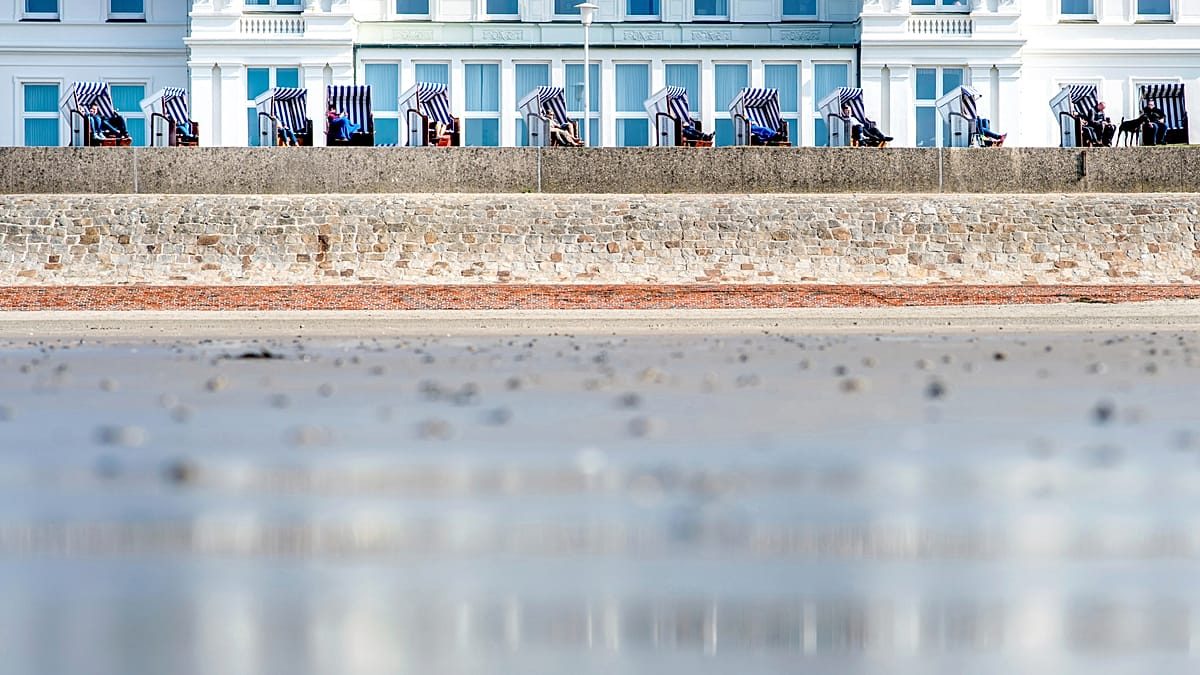
A consumer shift away from high-density resorts toward Germany’s smaller, car-free islands is forcing the domestic hospitality sector to adapt to strict environmental caps and low-impact infrastructure.
German travellers are increasingly bypassing traditional high-density holiday destinations like Sylt, Rügen and Usedom in favour of smaller, strictly regulated islands. This pivot toward low-impact leisure reflects a broader structural shift in domestic consumption, prioritising environmental preservation and car-free infrastructure over mass tourism.
For regional hospitality markets, this trend necessitates a move away from large-scale holiday complexes. Islands such as Spiekeroog and Baltrum, which spans less than seven square kilometres, explicitly rely on unspoilt dunes and natural landscapes rather than heavy commercial development to attract visitors.
The economic model for these destinations is defined by strict capacity limits and low-carbon transport. Hiddensee, a 17-kilometre Baltic island, and Juist, a 17-kilometre East Frisian island, prohibit cars entirely, relying instead on bicycles and horse-drawn carriages.
This strict approach to capacity management protects the local environment while redefining the visitor experience. On Vilm, a small island off the coast of Rügen, daily visitor numbers are strictly capped to protect ancient beech forests, and access is only permitted via guided tours.
Investors and regional planners are also having to accommodate unique geographical and administrative constraints. Neuwerk, for instance, is politically administered by Hamburg despite lying 100 kilometres away in the Lower Saxony Wadden Sea.
Access to such locations is dictated by the tides rather than conventional transport schedules, with visitors reaching the island on foot or by horse-drawn wagon across the mudflats at low tide. Similarly, Arngast in the Jade Bay is no longer a traditional holiday destination, functioning instead as a highly regulated site for guided mudflat walks around its isolated lighthouse.
The shift toward low-density tourism extends beyond the northern coasts to southern inland markets. On Lake Chiemsee in Bavaria, the 15-hectare Fraueninsel operates as a car-free zone anchored by a Benedictine convent founded in 782.
Nearby Krautinsel remains entirely uninhabited and prohibits landings to protect its natural habitat, demonstrating that regional tourism boards are actively restricting access to preserve ecological assets. Even on Herreninsel, the largest Chiemsee island at 230 hectares, the focus remains on maintaining forest walking paths rather than expanding commercial facilities around the historic 1878 Herrenchiemsee Palace.
Ultimately, the commercial viability of these smaller destinations relies on scarcity and strict environmental compliance. By offering an escape from crowded resorts, Germany’s lesser-known islands demonstrate how regional economies can successfully market silence, nature and authentic experiences to modern travellers.