Russian strikes on Ukrainian ports disrupt shipping and drive wheat prices higher
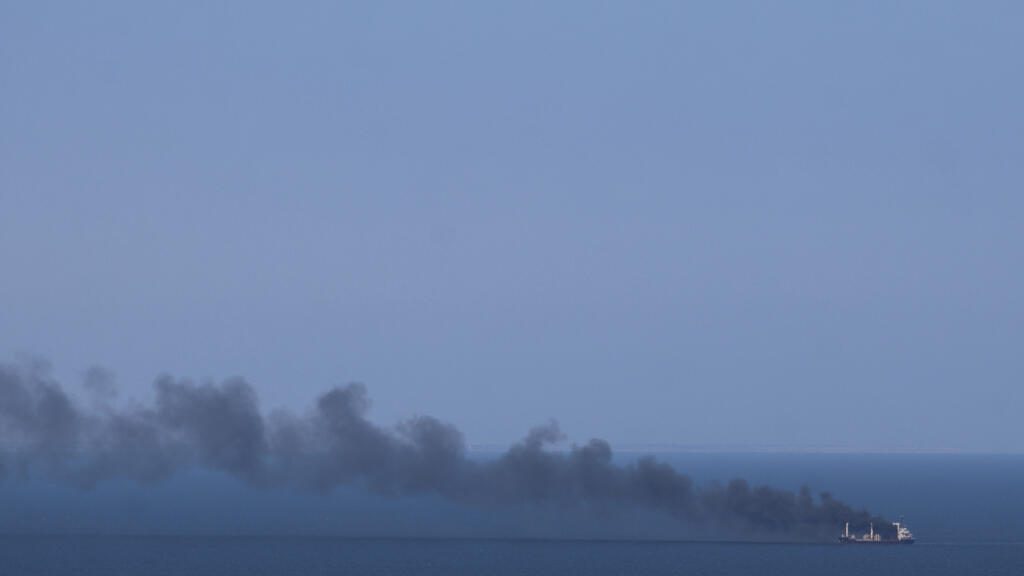
Moscow's attacks on fuel storage and military vessels in Odesa and Mykolaiv have intensified the maritime conflict, directly threatening agricultural supply chains and pushing up global food costs.
Russian forces targeted Ukrainian port infrastructure on Saturday, hitting fuel storage facilities in Odesa and a marine tugboat in Mykolaiv. The Defence Ministry announced the strikes through the Interfax news agency, though independent verification of the battlefield damage remains impossible.
The military tugboat in Mykolaiv had reportedly been repurposed for use by the Ukrainian army. This specific targeting reflects a broader pattern over recent weeks, as both Kyiv and Moscow have intensified their attacks on maritime assets across the Black Sea and the Sea of Azov.
These sustained disruptions to shipping routes have immediate consequences for global commodity trading. The region remains a critical artery for agricultural exports, and the ongoing maritime instability has rattled global grain markets.
Commodity market volatility
As the security situation in the Black Sea deteriorates, the direct economic impact is already visible. The renewed hostilities on key shipping lanes have driven wheat prices higher, adding pressure to food supply chains across Europe.
For European investors and agricultural companies, the strikes underscore the fragility of the current export environment. The persistent threat to port infrastructure introduces ongoing volatility into commodity pricing.
Logistical bottlenecks
Fuel storage facilities are particularly vital for maintaining the logistical throughput required to load and dispatch cargo vessels. Damage to this infrastructure in Odesa threatens to slow down the physical movement of goods from the Ukrainian interior to international buyers.
The targeting of support vessels like tugboats further complicates the navigation of commercial fleets through contested waters. Without adequate marine support, the operational efficiency of the ports decreases, compounding supply chain delays.
Traders are now assessing whether the physical damage to Odesa and Mykolaiv will translate into prolonged export bottlenecks. The Black Sea and Sea of Azov remain essential corridors for moving agricultural produce to international markets.
Any reduction in export capacity directly affects global food security and European consumer prices. The ongoing military contest for control of these shipping routes ensures that agricultural markets will remain highly sensitive to daily battlefield developments.
Market participants will be closely watching the physical grain volumes departing from these southern Ukrainian ports in the coming days. This data will reveal the true operational impact of the latest strikes on the region's export capabilities.