Naples earthquake injures 26, halts transport as volcanic fears grow
A 4.7 magnitude earthquake near Naples has injured dozens and halted regional transport, reviving fears of a major seismic crisis that could displace thousands and strain local infrastructure.
A magnitude 4.7 earthquake struck the Campi Flegrei volcanic area west of Naples at 7:46 p.m. local time on Friday, injuring at least 26 people and forcing roughly 300 residents to evacuate. The tremor was recorded at a shallow depth of about 3 km, causing immediate power outages and minor structural damage across the densely populated region.
The quake disrupted daily life and local commerce by prompting the suspension of regional rail and metro services. Transport authorities halted the networks as a precaution while the Italian fire service assessed the aftermath.
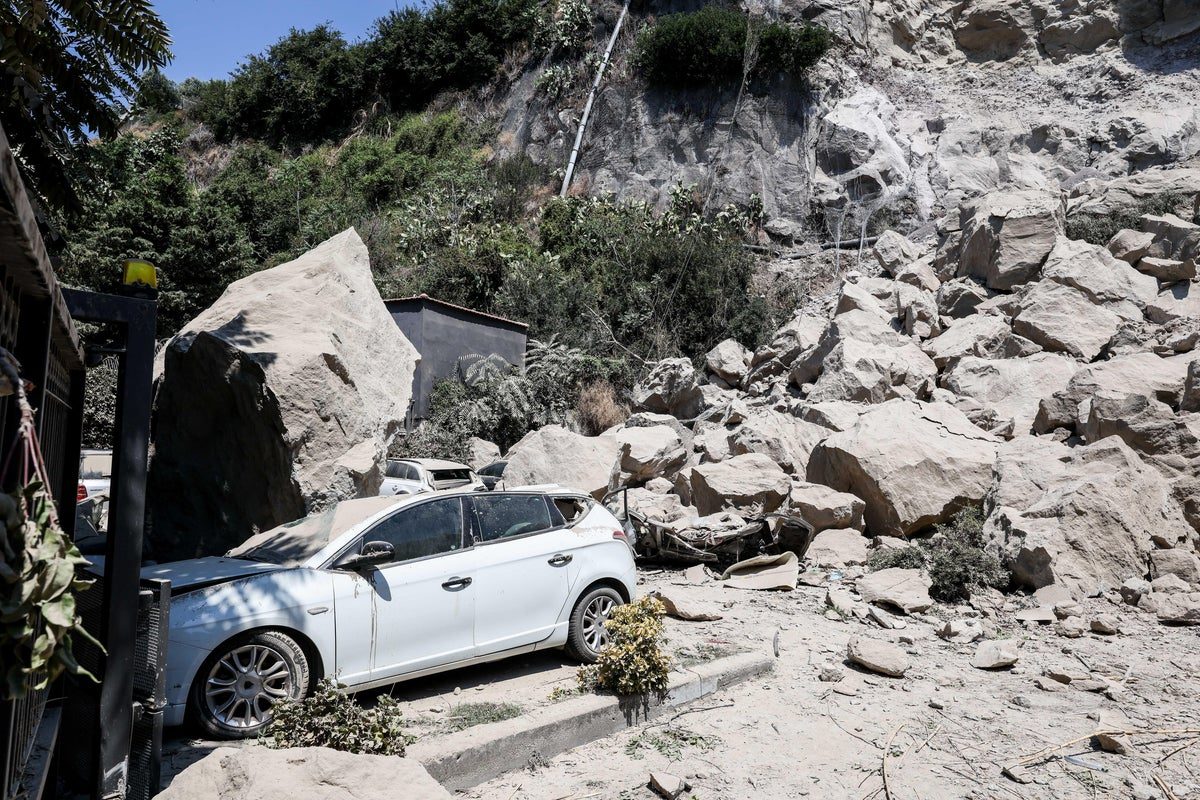
Physical damage included the collapse of a section of cliff and several unoccupied buildings. The fire service confirmed minor damage to structures in and around Naples, though it noted that no immediate rescue requests were received.
In the coastal city of Pozzuoli, located near the epicentre, the impact on residential life was severe. About 300 people evacuated their properties, with many choosing to spend the night on the streets out of fear that their homes might collapse.
Five of the injured individuals required hospital treatment, according to reports in Italian media. The outlets also noted that this was the strongest earthquake to hit the Naples region in the last 40 years.
Nello Musumeci, Italy’s civil protection minister, addressed the public crisis by urging caution. He warned that "the volcanic activity was not yet over," signalling that government monitoring and emergency resources would need to remain deployed in the region.
Campi Flegrei is a densely populated volcanic caldera that the government has been monitoring due to increasingly frequent seismic activity. While small tremors are common in the area, this stronger event has heightened public anxiety and raised the political and economic stakes for local authorities.
Specifically, the quake has revived fears of a repeat of the seismic crisis that occurred in the 1980s. That historical event caused widespread disruption to public life and displaced thousands of people from their homes, a mass displacement that would heavily burden regional infrastructure if repeated today.
Italy is highly prone to seismic events, with a documented history of powerful and destructive earthquakes. A series of quakes in central Italy in 2016 killed around 300 people. The deadliest in recent decades was a magnitude 6.9 quake in Irpinia in November 1980, which claimed approximately 2,700 lives.
For the population centres around Naples, the immediate focus remains on restoring power and transit lines. However, the underlying geological instability continues to pose a long-term risk to the local economy and the safety of its residents.