Tech giants swap smartphone sales for leases to protect margins
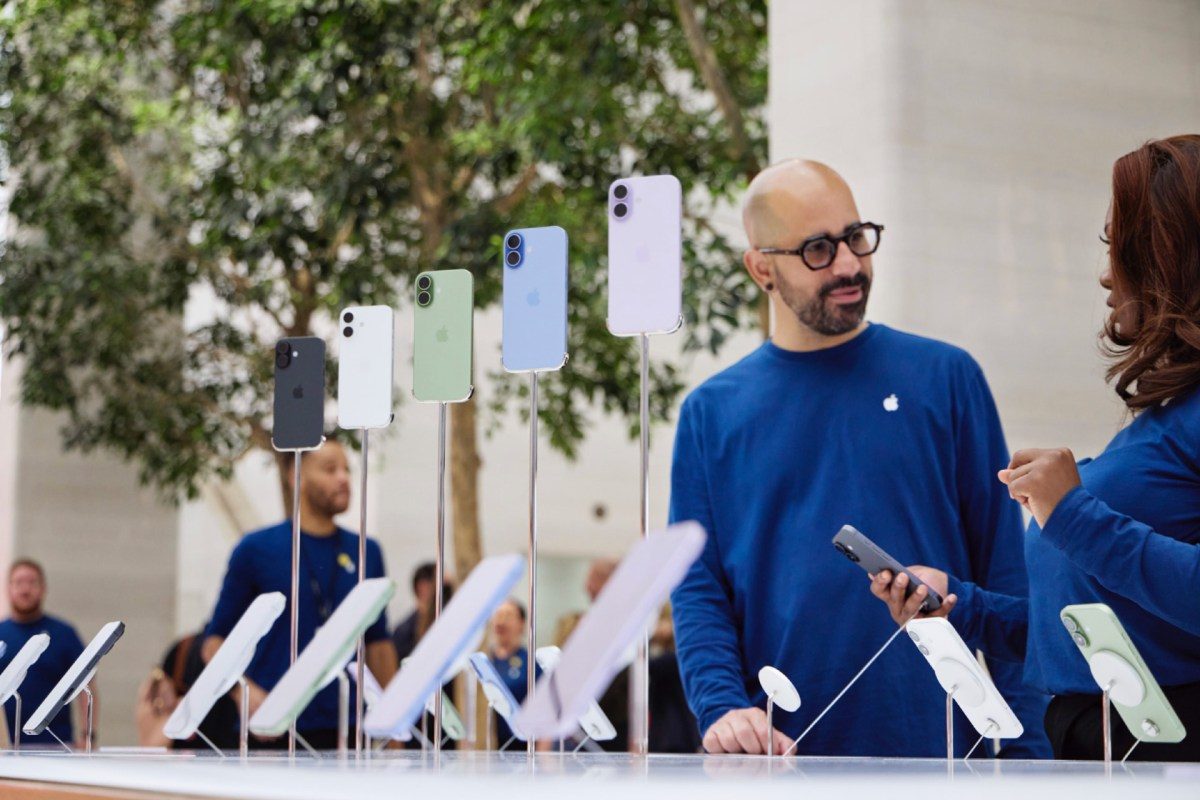
Apple and Samsung are pushing leasing and subscription models for premium smartphones to lock in customer revenue as global device replacement cycles stretch toward four years.
Apple this week launched Apple Upgrade in the United States, partnering with Klarna to let consumers lease iPhones, Macs, iPads and Watches for a monthly fee. Samsung, meanwhile, is running its Galaxy Forever program in India, combining financing with guaranteed buybacks. The moves mark a strategic shift by hardware giants to monetize devices through recurring payments rather than one-off sales.
This pivot is driven by a lengthening global replacement cycle. Analyst firm Counterpoint Research expects the average time consumers keep a smartphone to stretch to four years by 2026, up from 3.5 years this year. In the US, premium device owners now hold onto their phones for an average of 42 months, according to IDC.
As component costs rise and hardware improvements become incremental, fewer new devices are sold and fewer handsets enter the lucrative refurbished market. “These programs fundamentally do not work unless a secondary market exists,” said Max Weinbach, an analyst at Creative Strategies. Leasing and guaranteed buybacks ensure a steady supply of used phones for refurbishers.
However, the underlying motivation for manufacturers is not simply to force more frequent upgrades. “The real driver isn’t shorter upgrade cycles; it’s protecting margin and retention as pricing pressure mounts,” said IDC associate vice president of devices research Navkendar Singh. “The primary objective is to increase customer lifetime value by improving retention, creating predictable upgrade cycles, and securing a steady pipeline of trade-in devices for certified refurbishment and resale,” said Tarun Pathak, research director at Counterpoint Research.
This strategy is already taking root in Europe. Companies like the UK’s Raylo and Germany’s Grover have built their businesses around leasing consumer electronics. By taking control of the financing relationship, historically dominated by US wireless carriers, manufacturers can directly manage the end-to-end lifecycle of a device.
For consumers, the financial arithmetic of leasing only beats buying outright for a specific demographic. “Leasing definitely isn’t for everyone, but it can make sense, especially for someone who upgrades often,” said Matt Schulz, chief consumer finance analyst at online lending marketplace LendingTree. Those who keep phones for three to five years are generally better off purchasing them outright.
Weinbach noted that frequent upgraders could pay roughly the same or less through a lease, particularly on higher-storage models. “It’s important to stress the fact this is an upgrade program that’s done via a lease, rather than just a leasing program,” he said, pointing to an expected 12- to 36-month device turnover.
Despite the industry push, outright ownership is expected to endure. “All three business models have a place to exist, and they will continue to do so,” said Mandeep Manocha, co-founder and CEO of Indian smartphone trade-in and refurbishment platform Cashify. “There is a natural transition that may happen from complete ownership to leasing, but it’s a long journey.”