Eastern Europe marks Roma Holocaust Memorial Day amid uneven recognition
European nations are commemorating the Nazi genocide of 500,000 Roma and Sinti, but a patchwork of official recognition across the continent reflects ongoing struggles with historical reckoning and modern Antiziganism.
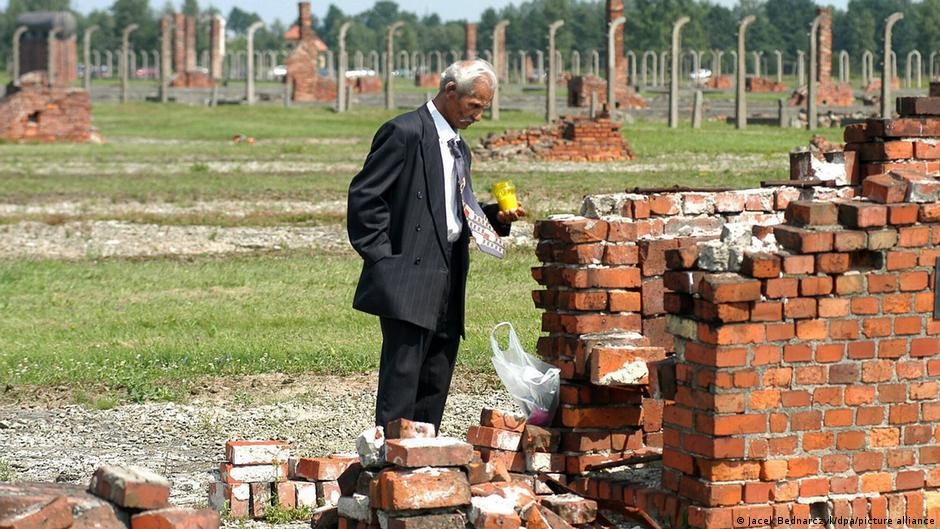
August 2 marks the European Roma Holocaust Memorial Day, commemorating the 1944 liquidation of the "Gypsy Family Camp" at Auschwitz-Birkenau where Nazis murdered thousands of Roma and Sinti. The European Parliament officially recognized the date in 2015, building on earlier initiatives by Polish Roma groups that first prompted commemorations in 1994.
Across Central and Southeastern Europe, where Nazi extermination heavily targeted Romani peoples, memorial services have become platforms to address both historical atrocities and continuing discrimination. However, official recognition remains deeply uneven, with some countries adopting the day only recently and others still lacking a formal designation.
Poland, home to 30,000 Roma, has observed the day since 2011, with officials regularly visiting Auschwitz and the village of Szczurowa, site of Europe's first Roma Holocaust memorial established in 1956. In Czechia, which has 250,000 Roma, remembrance centers on Lety, a former Nazi camp that controversially operated as a pig farm until its closure in 2018. President Petr Pavel and then-Prime Minister Petr Fiala attended its transformation into a memorial in April 2024.
Slovakia established its official day in 2005, hosting its main ceremony at the Slovak National Uprising Museum in Banská Bystrica. Hungary, with 600,000 Roma, also recognized the day in 2005, but its commemorations are explicitly tied to recent history. Memorial events frequently reference the 2008-2009 neo-Nazi murder spree that killed six Roma and injured 55, noting the attackers planned their final crime for the night of August 2.
Romania, where 2 million Roma live, only made August 2 an official observance in 2020. This year, President Nicusor Dan became the first Romanian head of state to attend the Bucharest memorial, honoring the 11,000 Roma murdered in Transnistria under the regime of Ion Antonescu.
Meanwhile, Bulgaria and Serbia still lack an official August 2 remembrance day, though they hold state-backed commemorations. Croatia and North Macedonia formally adopted the day in 2014 and 2017, respectively. The long road to official recognition across these nations highlights a broader European struggle to integrate the continent's largest ethnic minority, decades after the genocide ended.