Political deadlock stalls Spain wildfire response as 180,000 hectares burn
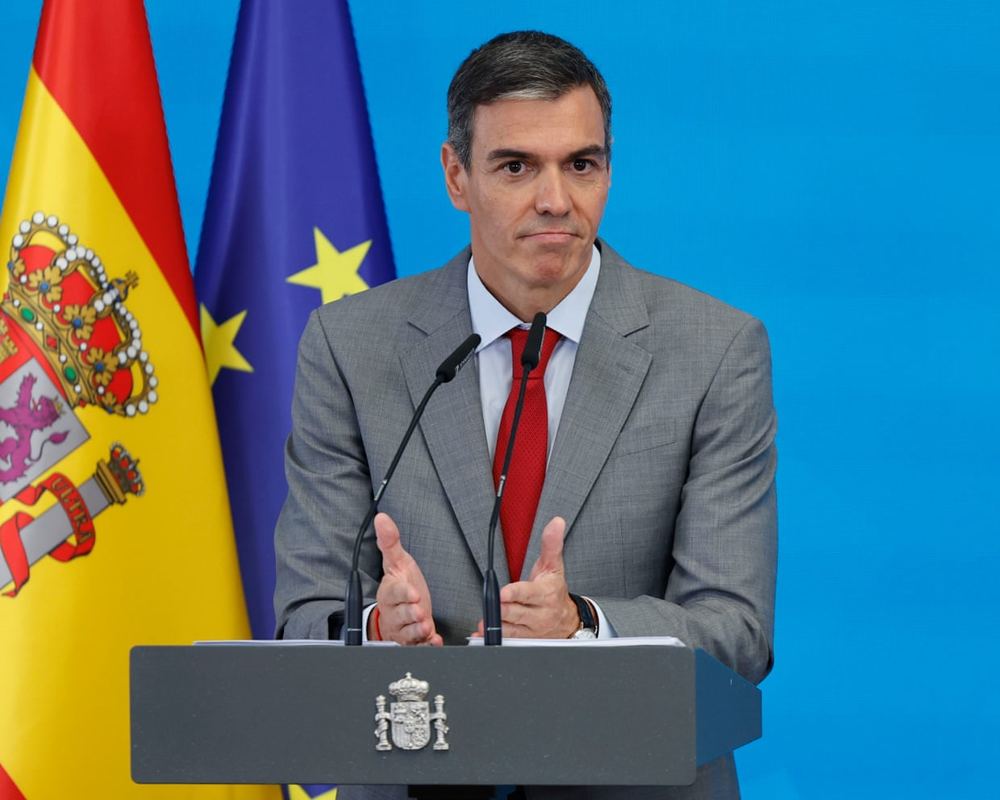
Prime Minister Pedro Sánchez has warned that the climate emergency kills as wildfires ravage Spain, but opposition rejection of a cross-party preparedness pact threatens to undermine the country's economic and infrastructural resilience.
Wildfires have consumed more than 180,000 hectares of Spanish land in the first seven months of 2026, prompting Prime Minister Pedro Sánchez to issue a stark warning. “The climate emergency kills,” he said on Monday. He urged the country to reduce the causes of climate change and better prepare to protect lives, repeating a message he first delivered during a devastating 2022 fire season.
Spain sits on the southern edge of the world’s fastest-heating continent, making it acutely exposed to desertification, drought, and erratic weather. The economic toll of these disasters is mounting, destroying houses, businesses, and livestock. Yet, efforts to build a unified national defense against these threats are collapsing along partisan lines.
Sánchez has proposed a "state pact" to coordinate climate preparedness, but the conservative People’s party (PP) has rejected the plan. PP spokesperson Ester Muñoz accused the government of using the “mantra” of the climate crisis to mask its “poor management” of natural disasters. “That the climate changes is something that has occurred throughout the history of humanity and the Earth, that’s obvious,” she said. “Now how do we humans act in the face of things that change?”
This scepticism is echoed further to the right. Isabel Díaz Ayuso, the PP president of the Madrid region, has previously claimed the climate emergency is an “agenda” pushed by “lobbies” and “communists”. The far-right Vox party, meanwhile, entirely blames the fires on a failure to clear rural vegetation and underfund firefighting services. With the PP forging regional alliances with Vox, this scepticism could dictate national policy if the opposition wins next year’s general election.
Climate scientists and experts dismiss these political narratives, attributing the blazes to a combination of rural abandonment, highly flammable vegetation, and increased heatwaves driven by climate breakdown. On Wednesday, Vox MEP Jorge Buxadé attempted to bolster the denial agenda by posting a fabricated 1950s air ministry document claiming temperatures exceeded 44C back then. Spain’s state meteorological office, Aemet, quickly debunked the document. “We’ve reviewed the data, and all but one station’s data are false,” Aemet said. “If they were true, they wouldn’t deny climate change: there were heatwaves before, but now they’re more frequent and intense.”
The political divide contrasts sharply with public sentiment. A December 2024 survey by Spain’s Centre for Research Studies found that 84% of Spaniards view the climate emergency as “a real threat to human wellbeing and to the health of the planet”. Without a political consensus, Spain risks entering future fire seasons with fragmented disaster management, leaving regional economies increasingly vulnerable to a worsening environmental crisis.