Former IHRA chair urges Europe to end Roma genocide amnesia
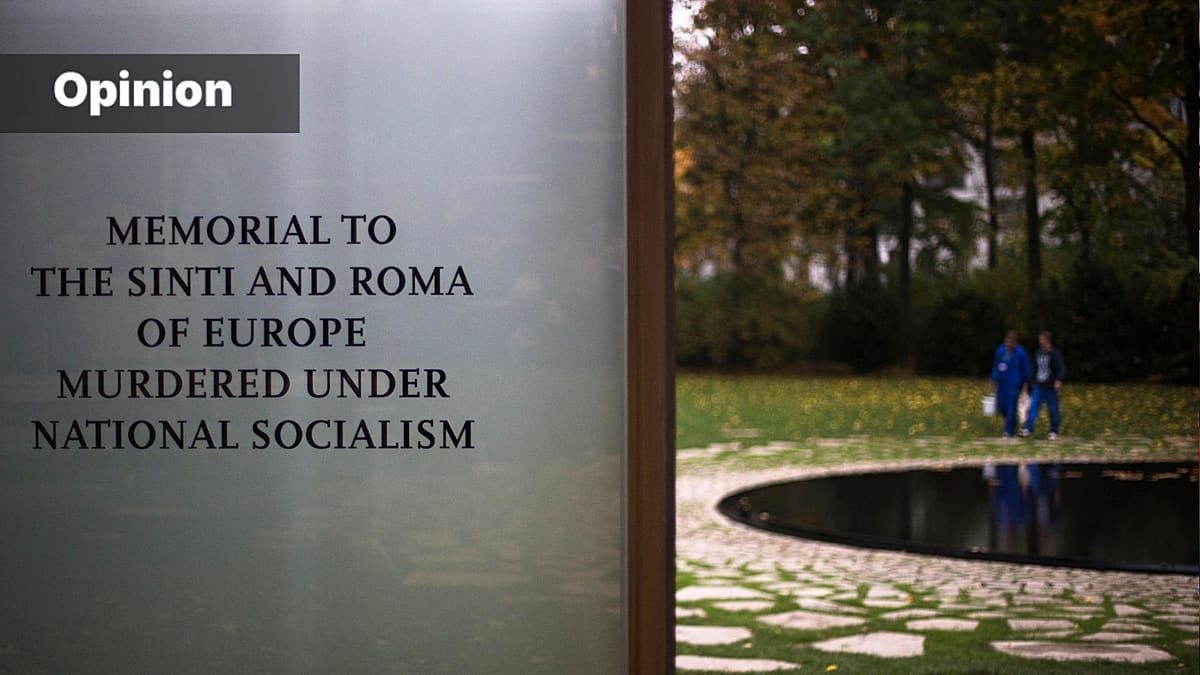
Marking the Genocide of the Roma Memorial Day, a former senior diplomat has warned that Europe’s ongoing failure to teach the persecution of Sinti and Roma undermines the continent’s historical integrity.
On 2nd August, Europe commemorates the hundreds of thousands of Roma and Sinti people persecuted and murdered during the Nazi era. Yet for Michaela Küchler, a career diplomat and former chair of the International Holocaust Remembrance Alliance’s German presidency, the annual memorial poses a stark question. "The real question is what happens on 3rd August, and every day thereafter," she writes.
Küchler points to the case of Settela Steinbach to illustrate how victims can be lost twice. For decades, the nine-year-old Sinti girl filmed looking through the doors of a train leaving the Westerbork transit camp was famous only as the "girl with the headscarf", widely assumed to be Jewish. It took years for historical research to restore her name and identity before she was murdered at Auschwitz-Birkenau on the night of 2-3 August 1944.
This historical erasure matters for European public life because the neglect did not end in 1945. Roma and Sinti survivors were denied recognition in national histories for decades, receiving neither justice nor acknowledgement. Today, their genocide remains one of the least recognised chapters of Nazi persecution, often presented in museums and classrooms as an optional appendix rather than an integral part of the continent's past.
Teaching this history is not merely an academic exercise. Nazi crimes began with stereotypes, racial classification, and the bureaucratic removal of rights before escalating to mass murder. Showing how prejudice becomes administrative and eventually lethal carries direct lessons for modern European institutions tasked with safeguarding civil liberties.
Practical frameworks for addressing this gap already exist. The IHRA has published recommendations designed to help governments, teachers, and museums bring this history into mainstream education. "They cannot manufacture political will," Küchler notes. "They can, however, remove the excuse that nobody knows what practical action looks like."
As living survivors become fewer, the responsibility to accurately document these experiences falls entirely to state institutions. "Europe’s commitment to remembrance cannot be measured only by ceremonies held on 2nd August, however moving or well attended," Küchler argues. "Europe cannot return those who were murdered. It can at least refuse to lose them twice."