Missed transfers highlight football's costly market failures
A review of Europe's most famous collapsed transfer deals reveals how hesitation and misallocated capital routinely cost clubs tens of millions in lost value.
The European football transfer market is a high-stakes ecosystem where delayed execution and misallocated capital routinely destroy club value. Recent reflections on collapsed deals highlight how hesitation at the negotiating table can alter a franchise's financial and competitive trajectory for years.
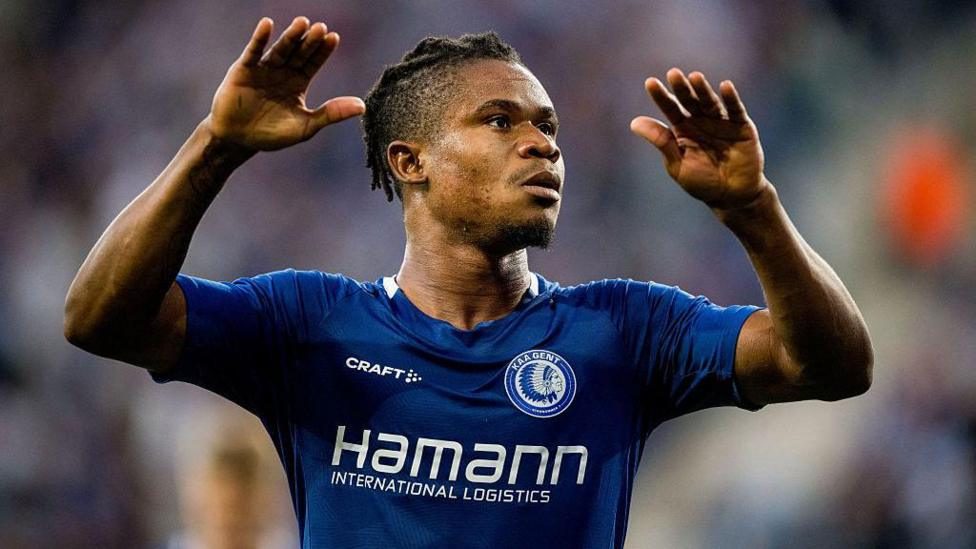
The rapid depreciation of Gift Orban serves as a modern cautionary tale. In 2023, the Nigerian striker was heavily linked with a £25m move to Tottenham after scoring 16 goals for Stabaek and 20 for Gent. This included a four-goal league haul and a record-breaking hat-trick completed in three minutes and 25 seconds in a UEFA competition. Tottenham stalled, and in the three years since, Orban has had four clubs, most recently joining Amedspor on loan, with his goal output dropping sharply across France, Germany, and Italy.
When clubs do spend, deploying capital on the wrong asset can be equally catastrophic. In 2014, Fulham targeted Antoine Griezmann for £12m but pivoted to sign Kostas Mitroglou for the identical fee. Mitroglou played three matches without scoring as Fulham were relegated, representing a total loss of capital. Griezmann, meanwhile, developed into a World Cup winner with a highly lucrative career in La Liga.
Historical missed signings demonstrate the long-term commercial cost of executive complacency. After winning the 1995 Premier League, Blackburn Rovers' management urged owner Jack Walker to sign Zinedine Zidane. Walker rejected the move, stating: "Why do we need Zidane when we have Tim Sherwood?" Zidane went on to win the World Cup, the Champions League, and multiple domestic titles, trophies and the associated commercial revenue that permanently eluded Blackburn.
The sheer scale of capital involved in these near-misses often reaches nine figures. In 2009, Manchester City had a £108m bid accepted for Kaka, more than double the existing world record. The Brazilian declined, opting to join Real Madrid for £56m six months later. Years later, Liverpool executives laid on a private jet and catering to court Kylian Mbappe, who admitted he held talks because "it's the favourite club of my mum." He chose Paris St-Germain instead, eventually moving to Madrid in 2024.
Even when a club retains a prized asset, the financial friction takes a toll. Steven Gerrard handed in a transfer request after winning the 2005 Champions League, nearly joining Chelsea for £32m before withdrawing citing "family reasons." Jose Mourinho later called it one of his greatest transfer disappointments. For European clubs operating as multi-million-euro enterprises, these episodes prove that transfer market paralysis carries severe financial consequences.