French theme park firm faces Russia sanctions questions over £600m UK park
Puy du Fou is poised to secure planning for a £600m UK theme park despite newly disclosed documents showing the French company continued funnelling money to a sanctioned Russian oligarch's network, raising serious questions about European sanctions enforcement.
French historical theme park operator Puy du Fou is expected to win planning approval within days for a £600m development in rural Oxfordshire. The project, featuring mock medieval castles and re-enactments, marks a major expansion into the British market. However, the company's arrival is accompanied by fresh revelations regarding its past dealings in sanctioned territories.
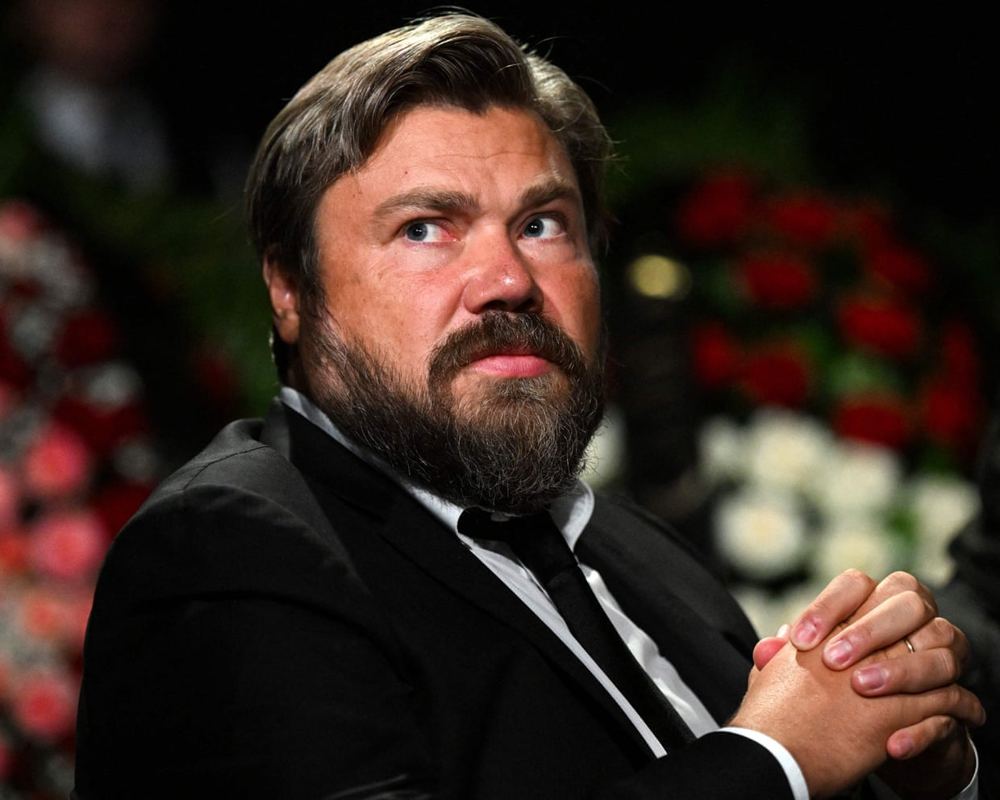
Newly disclosed documents indicate Puy du Fou continued working with associates of Konstantin Malofeyev for at least 13 months after the EU sanctioned the Russian oligarch in July 2014 for backing the annexation of Crimea. Internal records show the company structured a joint venture, Tsargrad Puy du Fou, specifically to route revenues through rouble accounts and offshore entities to "avoid probable effect of sanctions".
Rather than immediately winding down the project as the company claims, Puy du Fou continued to fund operations into 2015. A January 2015 budget allocated 23.5m roubles, nearly £500,000, for casting actors, renting office space, and purchasing 75 engraved wristwatches. Payments flowed to employees of Marshall Capital, a company placed under US sanctions in December 2014 due to Malofeyev’s role as its managing partner.
Testing EU sanctions limits
The prolonged financial relationship raises pressing questions about the effectiveness of Europe’s sanctions regime against Russian aggression. Michael Ruck, a sanctions expert and partner at K&L Gates, noted that the circumstances "appear to raise questions in relation to sanctions compliance and whether the relevant restrictions would prohibit any of the ongoing activities."
Puy du Fou stated that it stopped working with the sanctioned individual once sanctions began and that any low-level fees paid were "in compliance with French and EU law". Yet the firm's history extends beyond Russia; records show the Chinese Communist party held script approval for a Puy du Fou park in Shanghai, and the company later explored projects in Iran.
For UK planners and European investors, the unfolding picture presents a distinct reputational risk. A company actively courting British tourism revenues while its founders publicly praised Vladimir Putin and maintained financial ties to his network highlights the persistent challenge European authorities face in enforcing economic red lines.