Premier League faces first season without star managers since 1992
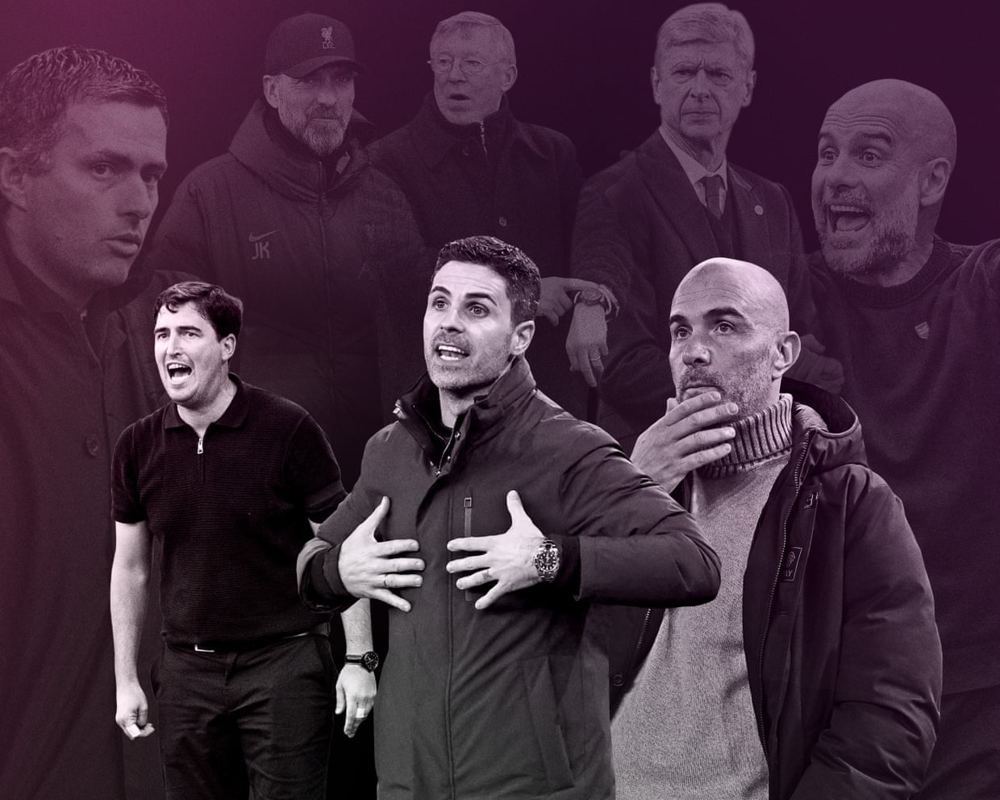
The departure of the Premier League's five defining managers creates an unprecedented leadership vacuum that threatens to upend the competitive and commercial balance of Europe's most lucrative football division.
Next season will be the first since the Premier League's inception in 1992 to feature none of its five dominant managers: Sir Alex Ferguson, Arsène Wenger, José Mourinho, Jürgen Klopp and Pep Guardiola. Their simultaneous absence marks a structural break for a competition that has long relied on outsized personalities to drive its global commercial appeal.
The immediate consequence is profound unpredictability. Mikel Arteta at Arsenal is perhaps best placed to capitalize, though the challenge of retaining the title is compounded by the physical toll of ending a long drought. Neither Declan Rice nor Bukayo Saka looked fresh at the World Cup, while William Saliba damaged his back, suggesting Arsenal could start slowly.
The clubs that previously dominated the landscape are now burdened by the risks of transition. Enzo Maresca has replaced Guardiola at Manchester City, bringing a record that is arguably better than the actual experience of watching his teams play. Fans at his former clubs, Leicester and Chelsea, frequently grew frustrated by his cautious style.
Arne Slot proved at Liverpool that short-term success is possible when succeeding a defining figure, but the long-term challenge remains enormous. Andoni Iraola faces questions over how he will adapt to the intense scrutiny of a top club, having arrived from Bournemouth with a known propensity to concede late goals. His reliance on extremely physical training sessions will also clash with the demands of European football, in which he has little experience.
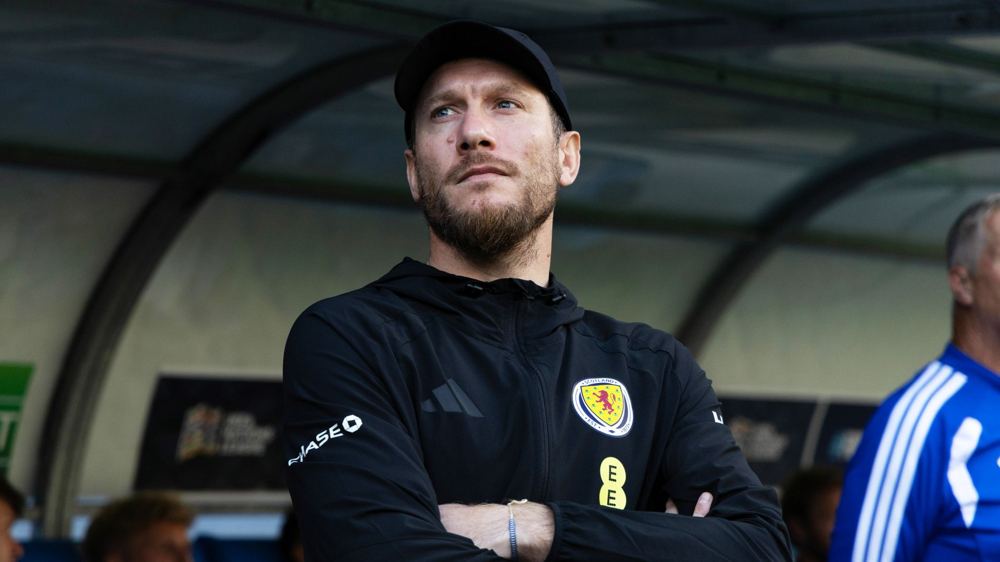
At Manchester United, Michael Carrick did just enough last season to force the club's hand without offering overwhelming proof of his capabilities. United finished third last season despite never playing a team who had played fewer matches, raising serious doubts about Carrick's ability to manage squad fatigue across multiple competitions.
In the current economic model of English football, calendar fatigue may prove a more decisive factor than managerial tactics. As United have demonstrated, the quickest way for a superclub to salvage a bad season is to fail to qualify for European competition entirely.
That dynamic heavily favors clubs without European commitments. Chelsea have appointed Xabi Alonso, giving one of Europe’s most promising young managers time to implement his ideas while fielding a fresher squad than almost any rival. Similarly, Roberto De Zerbi at Tottenham and Unai Emery at Aston Villa stand to benefit from lighter schedules, provided Villa can find ways to score beyond Morgan Rogers' long-range efforts.
Régis Le Bris at Sunderland is already the fourth longest-serving manager in the division despite arriving just two summers ago. This extraordinary turnover means the battle to establish a new dominant figure will define the commercial and sporting trajectory of the league for years to come.