Trump cancels Iran strikes pending Hormuz Strait deal
The US president called off a planned attack after agreeing to the "perimeters of a deal" that would reopen the Strait of Hormuz, offering temporary relief to European energy markets facing severe supply disruptions.
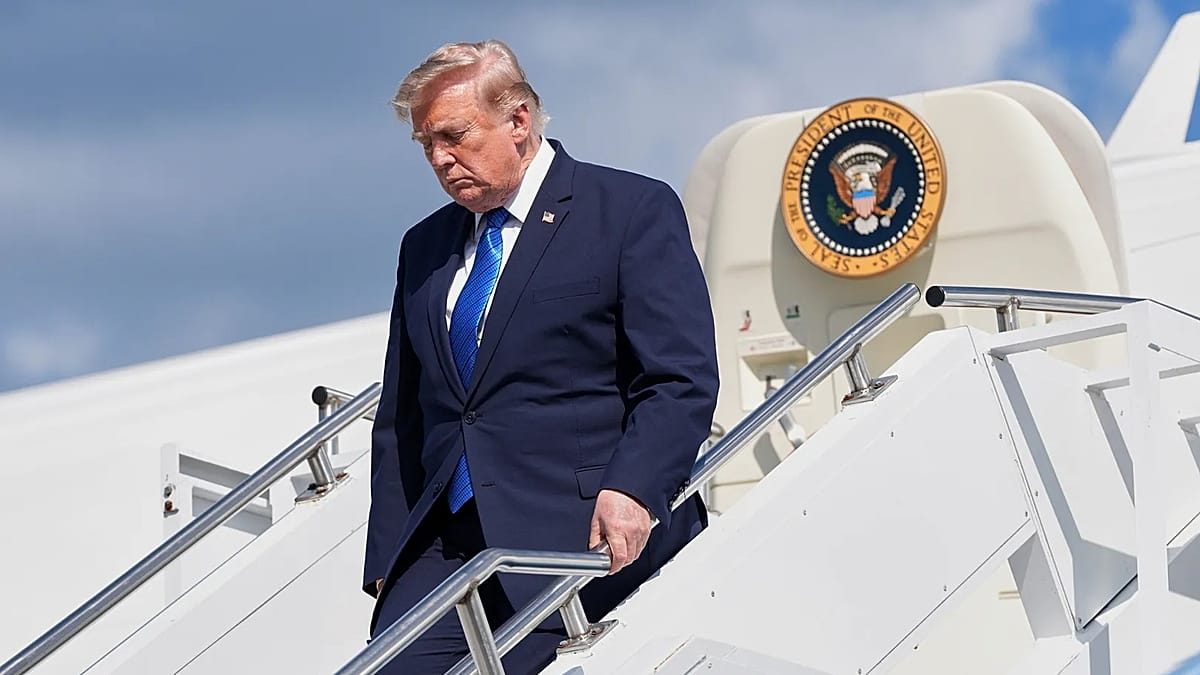
US President Donald Trump has cancelled a planned military attack on Iran, citing an agreement with Tehran and unspecified Middle Eastern nations on the "perimeters of a deal."
Trump stated the proposed agreement would guarantee the "Immediate, Complete, and Total OPENING OF THE HORMUZ STRAIT, and an end to Iran’s nuclear threat." He noted that Israel joined him in the commitment, though he warned US forces remain "locked and loaded and ready to go" if a final agreement is not rapidly secured.
For European economies, the focus on the Strait of Hormuz is the critical takeaway. The waterway handles roughly a quarter of global seaborne oil trade, and its effective closure by Iranian forces since late February has posed a persistent threat to European energy supplies and freight costs. Any verified reopening would significantly ease supply chain pressures, but the fluid situation leaves markets facing continued volatility.
However, the immediate path to that deal is already disputed. Iranian military officials told the semi-official Mehr news agency that Tehran never requested the US stop the attack, labelling the claim a "new lie" designed to "blackmail Persian Gulf rulers." Iranian forces remain "at the highest level of readiness," with officials warning that "if a confrontation becomes inevitable, the battlefield will be decisive."
The sudden diplomatic pivot follows days of severe escalation. On Friday, Trump said he was "losing faith" in peace talks and threatened to hit Iran "very hard." The US State Department had simultaneously issued security warnings to Americans in the region to prepare for "flight cancellations, periodic airspace closures, and potential travel disruptions."
Those warnings reflected a reality of active hostilities. Washington and Tehran resumed strikes earlier this week after Iran launched ballistic missiles at US forces in the Middle East. The US responded by targeting dozens of Iranian Revolutionary Guard Corps locations, including missile and drone facilities.
This cycle of violence had undermined a June "memorandum of understanding" that offered a roadmap to peace. That provisional pact gave Washington and Tehran 60 days to finalize a deal requiring an end to hostilities, the removal of a US naval blockade, the reopening of the strait, and an Iranian commitment not to procure or develop nuclear weapons. Whether this latest development can revive that framework remains highly uncertain.