Hungary shuts down only nuclear plant as Danube hits record low
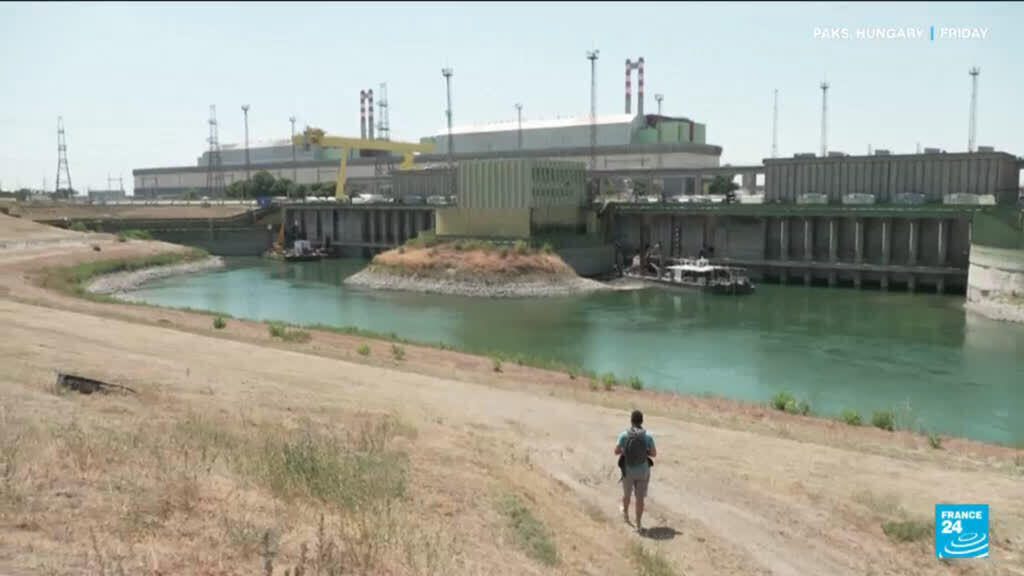
An unprecedented drought has forced Hungary to take its sole nuclear facility offline, exposing European power grids to severe climate-driven supply shocks.
Hungary has shut down its only nuclear power facility for the first time in history. The unprecedented move comes after water levels in the Danube river dropped to record lows, depriving the site of the water necessary for cooling operations.
The shutdown is a direct consequence of successive heatwaves and a prolonged drought that have severely depleted waterways. These extreme weather conditions have now escalated into a broader energy crisis across the European continent.
For markets and investors, the closure highlights the acute vulnerability of critical energy infrastructure to shifting climate patterns. When a nation is forced to take its sole nuclear asset offline, the immediate result is a sudden reduction in baseline electricity generation capacity.
The sudden loss of a country's entire nuclear output forces grid operators to seek immediate alternatives to maintain supply. Replacing this missing capacity inevitably drives up wholesale energy costs for industrial consumers and strains national reserves.
European investors tracking utility stocks and energy infrastructure must now factor hydrological risk into their valuations. Assets previously considered stable baseload generators are now exposed to meteorological volatility, demanding a reassessment of long-term infrastructure reliability.
Furthermore, the continent-wide nature of this drought means neighboring countries are likely experiencing similar grid stresses. This limits the ability to simply import replacement electricity, compounding the supply shock and tightening margins across the regional power market.
The situation in Hungary serves as a stark indicator of how environmental stress translates directly into economic and industrial risk. Power grids rely on predictable generation, and losing a major facility disrupts supply chains and wholesale electricity pricing.
Ultimately, the record-low Danube levels demonstrate that drought is no longer just an agricultural concern. It has become a systemic threat to national power security, forcing a fundamental reassessment of how Europe cools its most critical energy assets.