Climate extremes and border surges strain Europe's southern flanks
Simultaneous climate disasters and mass migration attempts across Europe's periphery this week underscore the mounting financial and political costs of managing the bloc's borders and environment.
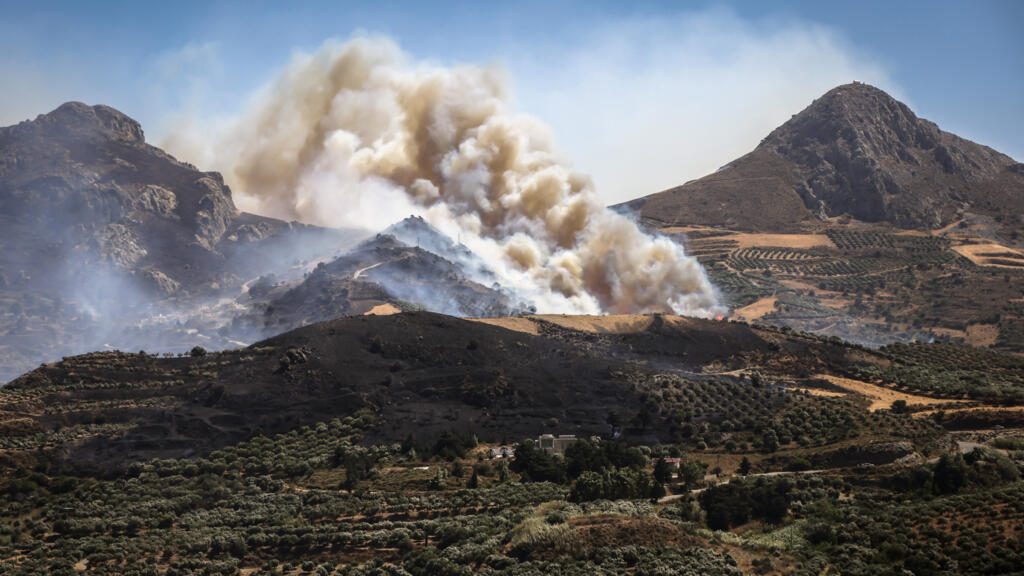
Wildfires ravaged southern Europe while a severe drought exposed ancient riverbeds, coinciding with a massive surge of migrants attempting to cross into Spain's North African enclave. In France, blazes destroyed fields near Ares, while fires on the Greek island of Crete claimed the lives of two firefighters.
These environmental crises carry immediate economic consequences for the continent, particularly in Bulgaria where record-low water levels on the Danube River near Ryahovo have exposed ancient mammoth remains. Specialists identified a jaw bone, tusk fragments, part of a shoulder blade and a femur, signaling severe drought conditions that directly threaten inland shipping routes, agricultural yields and hydroelectric output across southeastern Europe.
Simultaneously, border authorities faced intense pressure at the EU’s southern frontier. Tens of thousands of migrants gathered on a hilltop near the town of Fnideq to cross into Ceuta, sparking clashes with Moroccan security forces before the crowds eventually dispersed and returned home.
The sudden influx tests the resilience of Spain's border infrastructure and the broader political framework governing EU-Morocco relations. Managing these recurrent surges requires sustained financial investment in frontier security to protect the European single market. It also demands broader economic strategies to stabilize neighboring regions and stem the outward flow of people.
Beyond Europe's immediate borders, global supply chains and geopolitical stability also faced severe shocks. A powerful earthquake in southwestern Japan killed 34 people on July 28. The destruction of the Aeon Mall Kumamoto shopping centre in Kashima highlights the vulnerability of Asian commercial hubs that supply European retail markets.
Meanwhile, a Russian missile attack struck Kyiv on August 1, ensuring that the war in Ukraine continues to cast a shadow over European energy and security planning. Alongside domestic developments like Zinedine Zidane taking over the French national football team, the week's events illustrate a continent managing intense external pressures on multiple fronts.