Migrants abandon Ceuta for Morocco amid hunger and local hostility
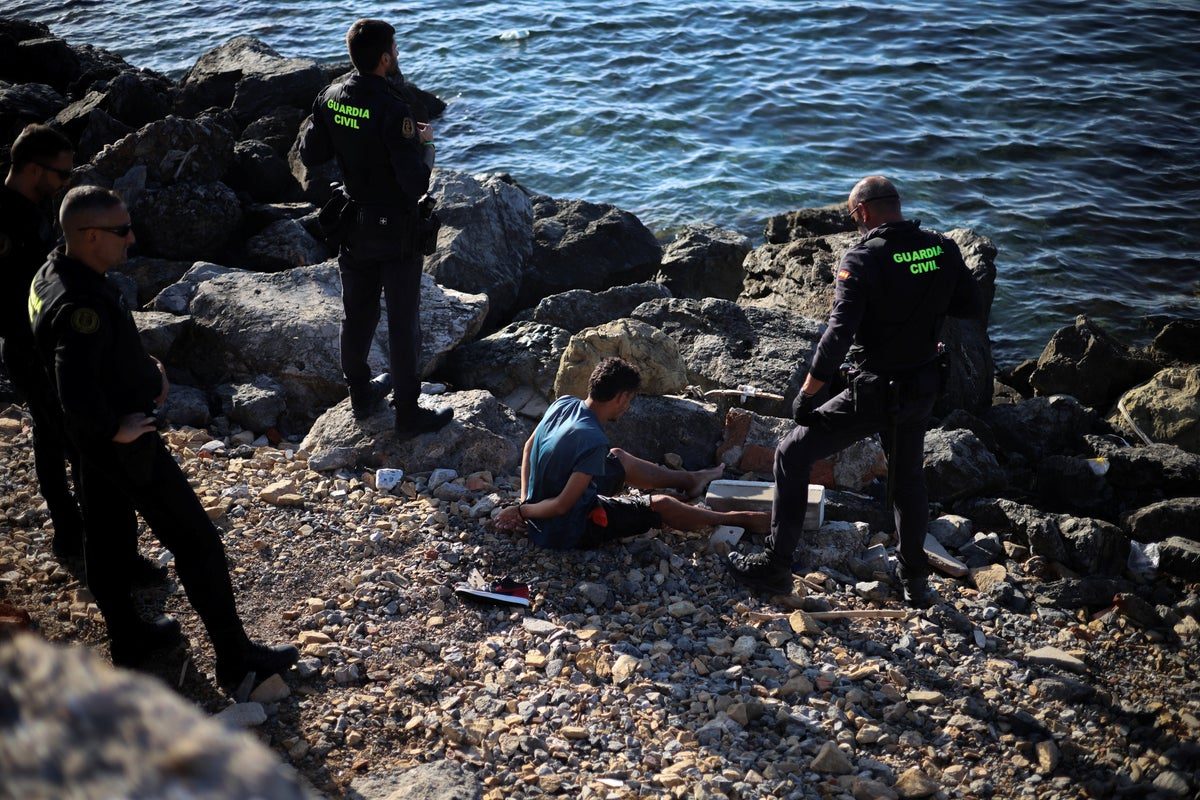
A sudden influx of migrants into Spain’s Ceuta enclave has rapidly reversed, exposing the fragility of Europe’s external borders and the ease with which they can be overwhelmed.
Hundreds of migrants who crossed into Spain’s North African enclave of Ceuta this week are voluntarily returning to Morocco, driven back by food shortages, exhaustion and localized hostility. The swift reversal follows a massive, social-media-fueled breach of one of the European Union’s most heavily guarded land borders.
Many who arrived expecting to continue to mainland Spain found themselves stranded. Brahim, a bakery worker from Fez, said he survived three days on water alone after leaving his job to cross. “We came to make progress, not to be fooled,” he said. “I thought I’d build a better future there. But I was surprised in Ceuta.”
The economic reality of the enclave proved insurmountable for most. With supermarkets and shops shuttered, basic goods became unaffordable. “How come a tuna sandwich was being sold for 100 dirhams ($10.75)?” Brahim asked. An unnamed worker at Morocco’s Tanger Med port summed up the experience bluntly: “Ceuta was like a prison, nothing to do there. Everything was closed.”
Tensions also escalated in Principe, a predominantly Moroccan neighbourhood in Ceuta. Moroccan waiter Yassine Ichou said he was hit and chased away by residents who he accused of imposing a siege to force migrants out. Spain’s Interior Ministry confirmed two people sustained minor injuries from knife attacks, with one arrest made.
A border weaponised
For European policymakers, the fleeting crisis underscores the persistent vulnerability of the EU’s southern frontier and the geopolitical dynamics that drive sudden migration spikes. Tito, a hardware store owner in Ceuta, articulated a widely held suspicion about the forces behind the influx. “Those young people, they’re being completely exploited,” he said. “They’re being used as bargaining chips.”
The sudden arrival and departure caused immediate economic disruption on both sides of the fence. In Fnideq, the Moroccan city opposite Ceuta, a local hotel lost all six of its kitchen staff to the crossing and is now scrambling to find replacements. Streets there were nearly empty, a stark contrast to the thousands gathered just days earlier.
Ceuta itself is gradually returning to normal. Cafes are reopening, though most shops remain shut and police patrols are highly visible. “We’ve taken the initiative to open because, ultimately, life has to return to its normal rhythm, but our safety and that of our staff always comes first,” said Marina Castaño, 24, whose family owns two local cafes.
Not everyone is leaving. Mohamed Ahmed, a 43-year-old Sudanese man who swam for four hours to reach the territory, said police were blocking the road to a migration centre. “I’m not going back,” he said. “I’d rather die trying here.” An aid worker estimated thousands remain in an overcrowded reception centre that can take no more people.