Boy George sacks label manager who refused to release AI-generated track
The pop veteran's decision to fire the head of his own indie imprint over an AI-made song exposes a growing fault line in the music business over who controls what gets released.
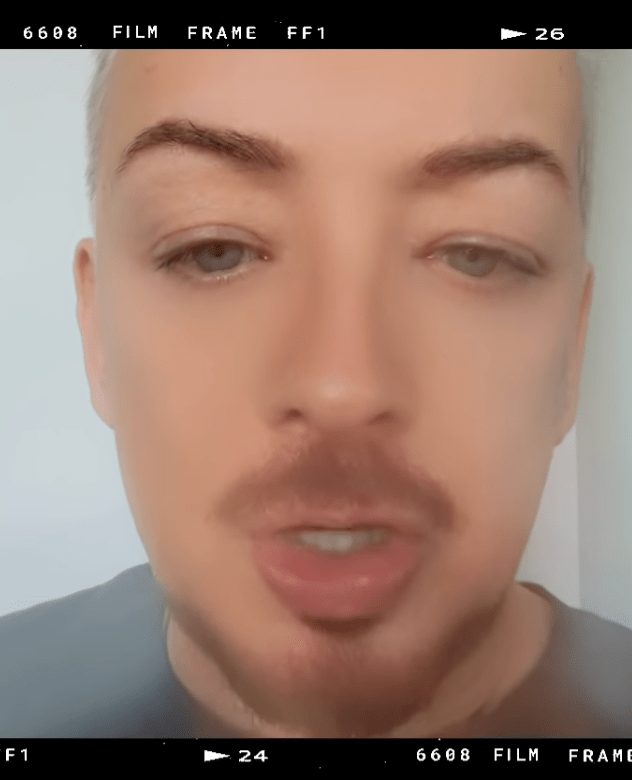
Boy George has dismissed Tony Pontius, the manager who ran his independent label Boy George Presents for several years, after Pontius refused to handle the release of "We Will Dance Again," an AI-generated pro-Israel reggae song. The singer confirmed the split in a social-media statement, writing that Pontius told him "I want nothing to do with this song" and that he replied, "ok, we are done."
George described the parting in Buddhist terms, framing it as a consequence of standing up for "my Jewish friends," and called Pontius "gutless." He added: "My faith in humanity will not diminish and the truth will always win. I will release it!" He did exactly that, putting the track up for purchase on Bandcamp outside any traditional label structure.
The episode is more than celebrity gossip. It is an early, concrete example of AI-generated music blowing apart the normal gatekeeping relationship between artist and label. A manager with years of operational responsibility lost his position not over royalties, marketing strategy or a contract dispute, but over a single creative decision: whether to attach the label's name to a machine-made recording.
The commercial fallout around the song has already widened. Boy George was pulled from a production of Jesus Christ Superstar following the track's release, a booking loss that illustrates how quickly AI-assisted content can damage an artist's wider earning capacity.
A secondary feud, same underlying tension
The controversy has also spawned a secondary dispute with Sean Dickson, the former Soup Dragons frontman turned DJ and producer known as Hifi Sean. Dickson was among the earliest critics of "We Will Dance Again" and exchanged heated posts with George for a week. In one message, Dickson said the issue was not Gaza or Israel politics but George "supporting a regime that denies the help to AIDS charities," adding that "as a gay / queer 'supposed' icon he should be ashamed of himself."
George responded by posting a second AI-generated track aimed at Dickson, with lyrics including "Jealousy has got you where you are / It's not hard to be bitter." He later clarified the song targeted "Hifi Sean, who dissed me, and I dissed back. Very hip-hop," and insisted he holds no grudge against the Soup Dragons, whose early-1990s hits included "I'm Free" and "Divine Thing."
In the same Instagram caption, George attacked Caron Geary, known as MC Kinky, a former collaborator who has also criticised the AI track, threatening legal action if she continued what he called lies.
What it signals for the industry
None of the individual songs are likely to chart. What matters for the European music business is the precedent embedded in the split: an artist using AI tools can now bypass every layer of professional judgement that a label once provided, distribute directly to consumers, and treat editorial refusal as grounds for termination. For managers, A&R teams and small independents across the continent, that recalibration of power is worth watching closely.