Spain arrests 17-year-old leader of 764 network that paralysed institutions
Spanish police have arrested a teenager accused of leading the country's branch of the transnational 764 extremist network, a group whose hoax massacre threats forced public institutions into lockdown and highlighted the growing reach of digital hate groups in Europe.
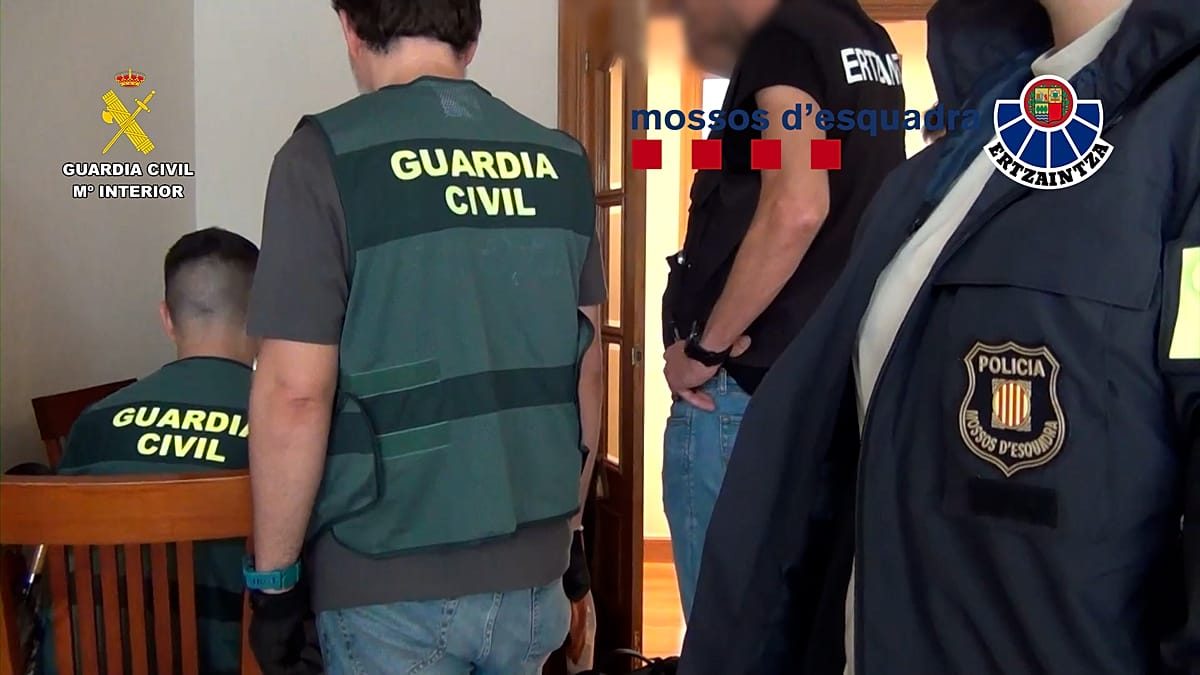
Joint Spanish police forces have arrested a 17-year-old in Gipuzkoa, near the French border, accusing him of acting as Spain's primary figurehead for the 764 network. A joint operation involving the Guardia Civil and the autonomous police forces of the Basque Country and Catalonia led to the detention of the teenager, who is accused of exploiting minors and generating months of public alarm.
Between January and April, the suspect sent numerous messages announcing shootings and armed attacks against educational centres, town councils, libraries and leisure centres. In some messages, he claimed he would broadcast the attacks live for other members to watch. While none were executed, the threats forced several institutions to activate exceptional security protocols, demonstrating how decentralised online groups can disrupt European public life.
The detainee allegedly used tactics common to these fringe communities, including swatting, doxing and identity theft. By falsely framing at least two unconnected individuals in the Basque Country and Catalonia, the network triggered dangerous police interventions. These campaigns were designed to divert investigators, drain public resources and create chaos.
A transnational digital threat
The 764 network originated in the United States, named after the first three digits of the postcode in Stephenville, Texas. It has since evolved from a marginal internet forum into a multinational structure involved in sextortion, distributing child sexual abuse material, and disseminating extreme violence and animal abuse. Canada has classified the group as a terrorist entity, and multiple countries are pursuing active investigations.
In Spain, investigators found the teenager participated in digital spaces dedicated to psychologically manipulating children and vulnerable youths. Victims were reportedly subjected to humiliation and coerced into self-harm and submission. The resulting images and videos were then shared within the community as a method of exerting control over those affected.
Officers seized electronic devices, storage media and documents during searches of two homes in mid-July. The suspect has appeared before a judge and is now held in a specialised centre in Donostia/San Sebastián. Authorities stress that because these networks target minors on mainstream social media, messaging apps and gaming platforms, families and educators must watch for warning signs like demands for private photos, hidden conversations or proposals involving degrading challenges.