French presidential candidates clash over debt, pensions and EU ties in first debate
Seven contenders for the French presidency outlined sharply divergent economic and European strategies in a business-focused debate, signaling profound uncertainty for investors and the Eurozone’s second-largest economy.
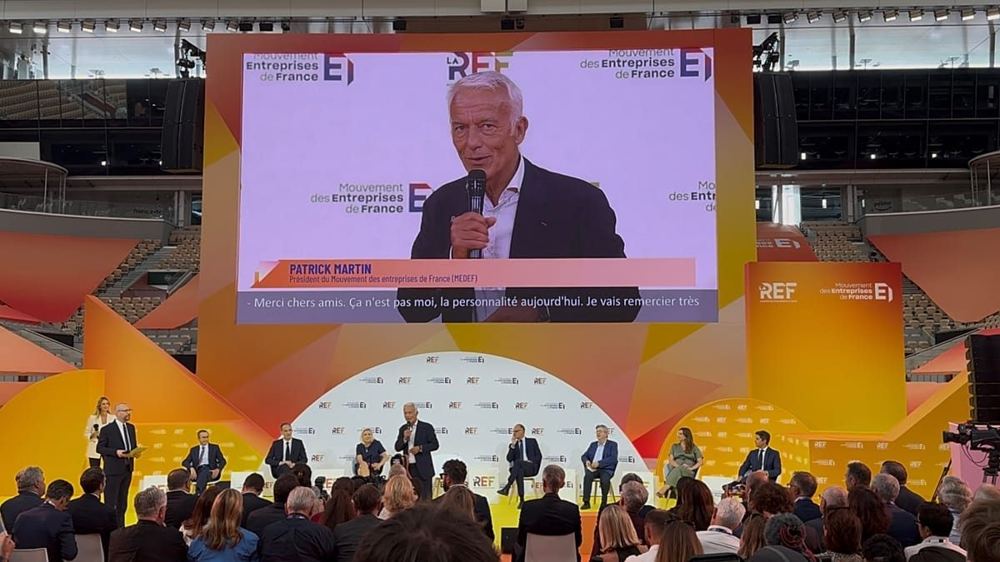
Seven key candidates vying for the French presidency clashed in their first debate on Thursday, with the economy, public debt and pension reform dominating the agenda. Hosted by MEDEF, the country’s largest employer federation, at Roland-Garros, the event highlighted stark policy divides less than eight months before the election.
The debate underscored deep fractures over France’s relationship with the European Union, a critical issue for continental markets and cross-border investors. Hard-left leader Jean-Luc Mélenchon pledged to disobey any European directive conflicting with French interests, arguing the EU treaty must be amended to prevent political and industrial peril.
Marine Le Pen targeted the bloc’s budget, demanding France’s contribution be slashed from nearly €29 billion in 2026 to under €5 billion. Conversely, former prime minister Edouard Philippe urged European partners to project power against China and the United States, while centre-left MEP Raphaël Glucksmann insisted the primary challenge is to assert French interests firmly in Brussels.
Candidates also collided over France’s mounting public debt, which remains among the highest in the Eurozone. Mélenchon renewed calls for the central bank to cancel its holdings of French government debt, a move Philippe branded as dangerous.
Centrist Gabriel Attal challenged the hard-left proposal, asking if cancelling debt while simultaneously raising taxes was "pure sadism". Le Pen proposed a €125 billion cost-cutting plan to address the deficit before the upcoming budget debate.
The Pension Battleground
Pension reform emerged as another flashpoint, with the National Assembly having recently suspended President Emmanuel Macron’s plan to raise the retirement age from 62 to 64 until January 2028. The next president will inevitably reopen this contentious file.
Le Pen and Mélenchon both advocated returning the retirement age to 62, with the hard-left leader pushing for an eventual drop to 60. Conservative Bruno Retailleau and Philippe argued that France must align with European neighbours by working longer to resolve the fiscal shortfall.
The business community’s impatience was evident throughout the evening. MEDEF leader Patrick Martin called for shattering the "straitjacket" that is "suffocating" France, criticizing both domestic micromanagement and the EU’s handling of recent tariff negotiations with the United States.
For European markets, the sheer divergence on display signals that France’s fiscal trajectory and regulatory posture remain highly unpredictable. Investors will be watching closely to see if any candidate can bridge the gap between populist promises and economic reality.