Italy and Spain Border Checks Test Schengen Rules and EU Free Movement
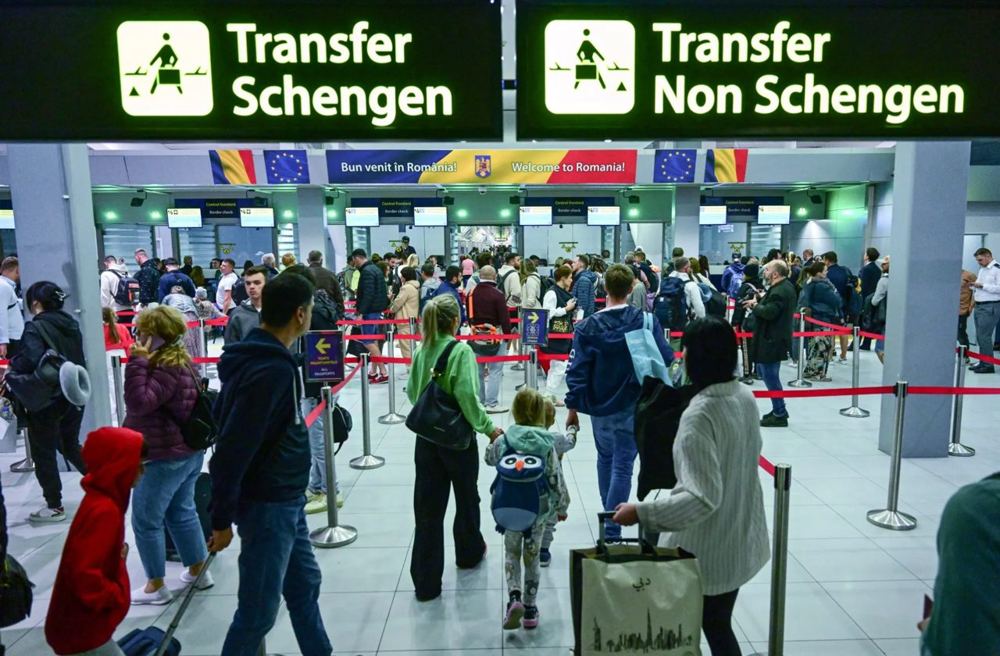
Reciprocal border controls between Italy and Spain following arrivals in Ceuta have exposed the fragile boundary between temporary Schengen security measures and the foundational EU right of free movement.
Italy has reintroduced border checks with Spain, prompting Madrid to reciprocate with Rome, following the arrival of thousands of people in the Spanish exclave of Ceuta. This reciprocal action has reignited scrutiny over the functioning of the Schengen area, a free-travel zone encompassing 29 European countries.
Commentators warn that the regular reintroduction of such controls threatens the European Union’s core principle of free movement. Understanding the distinction between Schengen mechanics and broader EU free movement rights is critical for markets, commuters, and citizens navigating the single market.
The Schengen Agreement, originally signed in 1985 by France, West Germany, Belgium, the Netherlands and Luxembourg, abolished internal border checks. Today, the area includes 25 of the 27 EU member states, alongside Iceland, Liechtenstein, Norway and Switzerland. Romania and Bulgaria were the latest to join on January 1st 2025, with Cyprus expected to follow.
The European Commission notes that approximately 3.5 million people cross these internal borders daily, including cross-border commuters. Furthermore, 32 million enterprises benefit from the resulting faster transport and reduced logistical costs.
Schengen rules do permit countries to temporarily restore internal border controls in the event of a serious threat to public policy or internal security. However, these measures must be strictly limited to the period necessary to respond to the specific threat.
Free movement of people operates on a different legal track as one of the four freedoms of the European single market. First outlined in the 1957 Treaty of Rome and expanded by the 1992 Treaty of Maastricht, it guarantees EU citizens the right to live, work or study in any member state.
A 1994 directive established the conditions for exercising these rights and prohibited discrimination based on nationality. According to a European Parliament explainer, "The directive is designed to encourage EU citizens to exercise their right to move and reside freely within the Member States, to cut back administrative formalities to the bare essentials, and to limit the scope for refusing entry or terminating the right of residence."
This right is backed by EU social security coordination regulations, allowing citizens to combine state pension contributions, access social benefits, and receive healthcare via the European Health Insurance Card. The Court of Justice of the EU has consistently intervened to remove obstacles to these rights, including recent rulings protecting same-sex spouses.
While free movement comprises a complex body of legislation governing daily life across borders, Schengen remains its most tangible and visible component. The current friction between Rome and Madrid serves as a stark reminder of how easily this foundational pillar can be disrupted.