Southern Germany battered by supercell storms with 140 km/h winds
Extreme weather warnings reached the highest level across Baden-Württemberg and Bavaria as supercell thunderstorms brought hail, destructive winds and infrastructure damage.
Southern Germany faced severe weather disruption on Friday as supercell thunderstorms swept across Baden-Württemberg and Bavaria, with the German weather service (DWD) issuing its highest-level warnings.
Wind gusts reached 140 km/h in areas near Lake Constance and the Allgäu region, while hailstones up to 6 centimetres in diameter pounded communities.
The districts of Neustadt an der Aisch-Bad Windsheim and Ansbach bore the brunt of early morning storms, with Schwäbisch Hall and Hohenlohe also experiencing dramatic conditions.
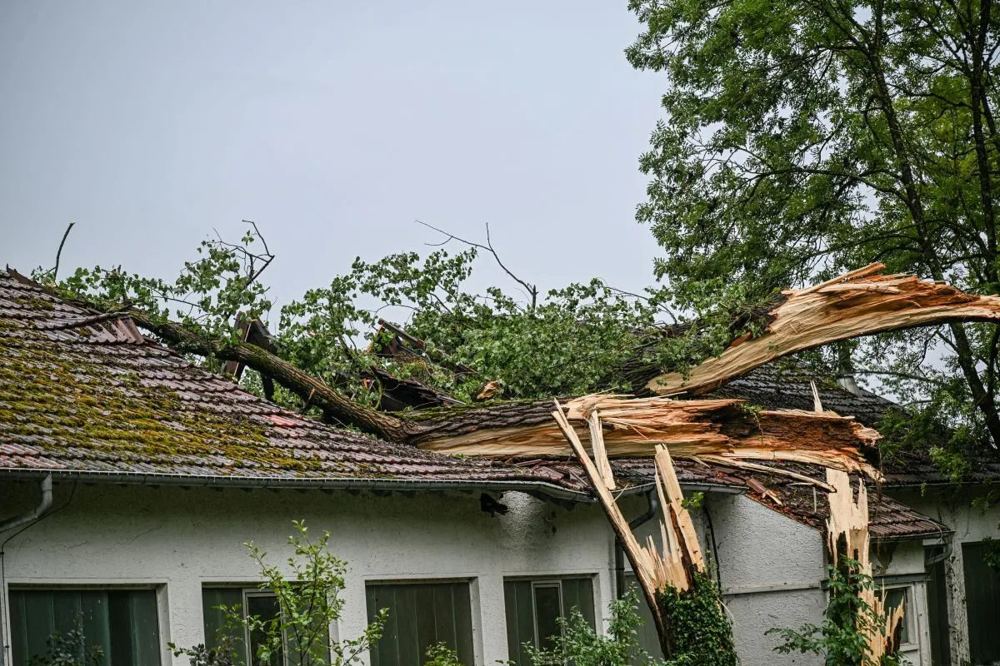
Photographs from affected areas showed trees toppled onto rooftops, railway lines and roadways, indicating the destructive force of the gale-force winds.
By afternoon, forecasters expected the most severe weather to shift toward southeastern Bavaria near the Austrian border, where atmospheric conditions created particular concern.
Meteorologists warned of an explosive setup as hot, humid desert air collided with a cold front moving from the west, creating the ingredients for supercell development.
Supercells are rotating thunderstorms capable of generating powerful downpours and, in some cases, tornadoes, representing the most dangerous category of thunderstorm activity.
The DWD maintained warnings for heavy rain, hail and strong winds across numerous Bavarian districts throughout the day.
Affected areas included Munich, Rosenheim, Passau, Garmisch-Partenkirchen, Landshut and Traunstein, among others, covering much of southern Bavaria.
The severity of the weather system underscores the vulnerability of German infrastructure to extreme meteorological events, with transportation networks particularly exposed to disruption.
Fallen trees blocking railway tracks and roads can cascade into broader economic impacts, affecting supply chains and commuter traffic across the region.
Such intense weather events have become increasingly common across central Europe, testing the resilience of warning systems and emergency response capabilities.
The collision of contrasting air masses, desert heat meeting cold Atlantic fronts, reflects the kind of atmospheric instability that climate scientists associate with warming trends.
For businesses and residents across southern Germany and neighbouring Austria, Friday's storms demanded immediate precautionary measures and promised cleanup operations in their wake.