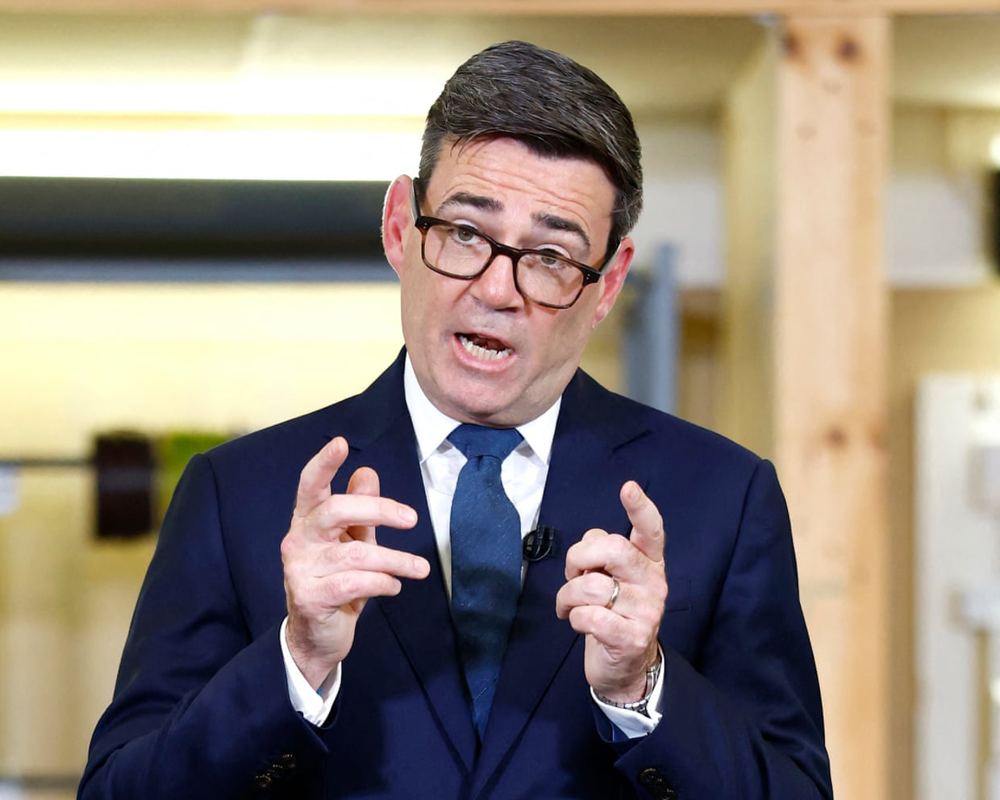
UK Prime Minister Andy Burnham to abstain on assisted dying bill

The UK government will maintain strict neutrality as MPs prepare to vote on end-of-life legislation, removing executive pressure from a divisive issue with significant implications for the National Health Service.
Prime Minister Andy Burnham has announced he will abstain from the upcoming vote on the assisted dying bill to avoid unduly influencing parliamentary debate. The legislation will face its second reading in the House of Commons on 11 September, marking the first opportunity for MPs to vote on the measure.
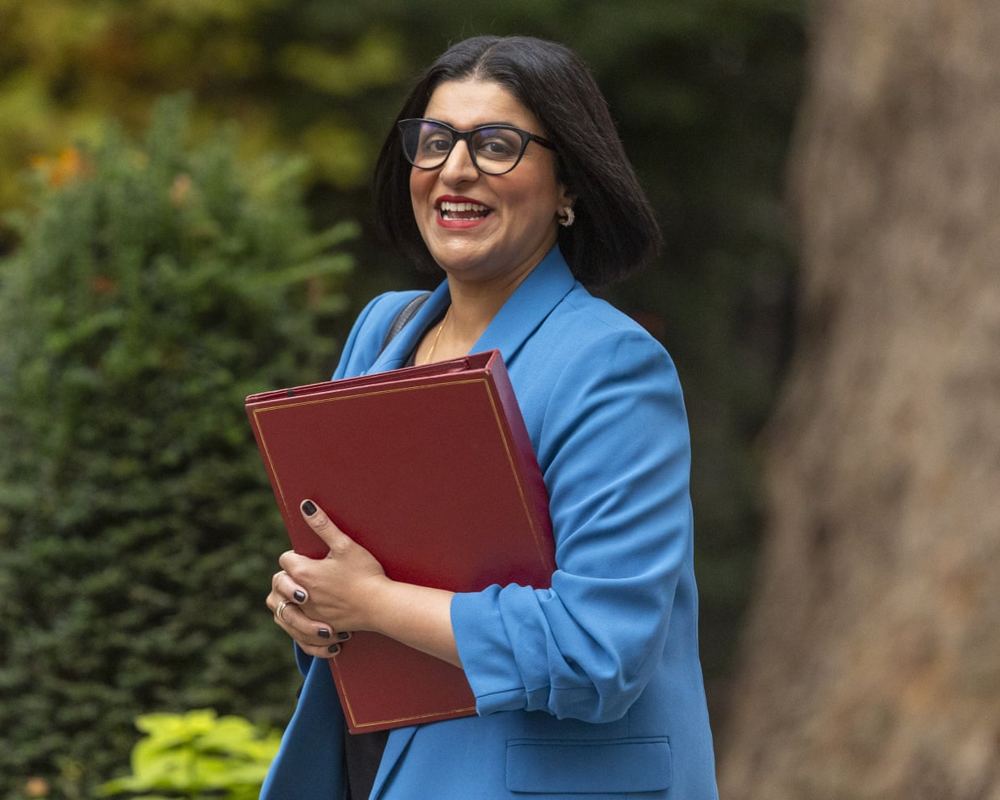
Labour MP Lauren Edwards has tabled this near-identical legislation after a previous version led by Kim Leadbeater ran out of time in the last parliament following 1,200 amendments from peers. The proposed law would permit adults with less than six months to live to apply for an assisted death, subject to approval by two doctors and an expert panel.
In a letter to ministers, Burnham confirmed that collective responsibility will be set aside, granting frontbenchers a free vote. He instructed officials to reiterate the government’s neutral position and warned against expressing views on how the bill might impact their respective departments.
The executive’s hands-off approach reflects profound operational and financial concerns surrounding the policy. Wes Streeting, who served as health secretary before moving to the defence brief, previously raised doubts about whether the National Health Service could afford to establish an assisted dying service amid existing budgetary pressures.
Burnham has also highlighted the complexities of implementation. While supporting the concept in principle during his tenure as Greater Manchester mayor, he stated in July that introducing the change would be very challenging without prior improvements to palliative and social care.
Supporters argue that a proposed implementation period of up to four years provides adequate time to address these systemic healthcare gaps. Edwards welcomed the Prime Minister’s stance, emphasizing that personal experiences with terminal illness must remain at the heart of the debate.
The UK parliamentary discussion unfolds against a backdrop of shifting end-of-life policies internationally. Campaigners note that France has recently legalised assisted dying and every Australian state and territory now offers the choice, intensifying pressure on Westminster to reach a definitive conclusion.