EU gas storage drops to 13-year low as Middle East crisis drives up winter prices
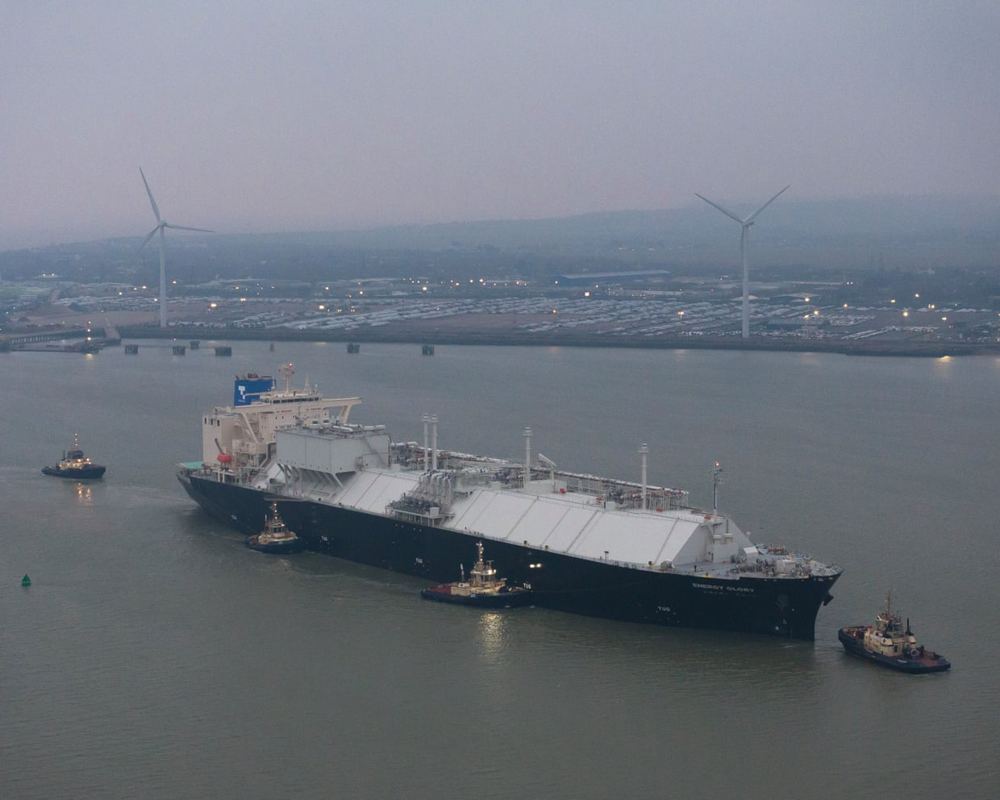
European gas reserves have fallen to their lowest late-summer level in over a decade due to Middle East supply disruptions, setting the stage for severe price volatility and higher household bills this winter.
The European Union is heading into the heating season with gas reserves at their lowest late-summer level in 13 years. Stocks reached just 63 per cent capacity in the final week of August, falling significantly short of the 80 per cent average seen in recent years.
This depletion stems from a cold end to last winter and heavy gas-fired power generation during recent summer heatwaves. More critically, the ongoing US-Israel war on Iran has severely disrupted oil and gas exports from the Gulf region, keeping the Strait of Hormuz closed and stalling storage injections.
The supply squeeze has triggered what Bjarne Schieldrop, chief commodities analyst at SEB, described as a "winter panic" among energy traders. Benchmark gas prices have surged past €68 per megawatt-hour, reaching three-year highs and more than doubling since the start of the year as Europe prepares to compete with Asian buyers for liquefied natural gas cargoes.
Analysts at Goldman Sachs warn that benchmark prices would likely need to exceed €100 per megawatt-hour to attract sufficient shipments if Middle Eastern exports remain absent. Greg Molnar, a gas analyst and professor, noted that these low storage levels naturally increase the risk of heightened winter price volatility, which could worsen during cold spells or periods of low wind.
The shortfall is unevenly distributed across the continent. While Italy and Poland have successfully filled their stores beyond the 80 per cent target, Germany’s facilities sit at roughly half capacity. Storage levels in Belgium and the Netherlands, which supply the UK via pipeline, are even lower at 51 per cent and 45 per cent respectively.
The United Kingdom faces acute exposure due to its status as a major consumer with minimal domestic storage capacity. Chris O’Shea, chief executive of Centrica, highlighted that the UK currently has "almost no gas in storage" and relies heavily on pipeline imports from Europe and tanker deliveries from the US and Middle East.
This reliance will deepen as North Sea production declines and Norwegian output drops from 2030. Consequently, the UK government is considering direct financial support for gas infrastructure owners to prevent supply failures over the next decade, while the regulator Ofgem confirmed that typical household energy bills will rise by 4 per cent in October.