Guinea-Bissau junta advances contested referendum to expand presidential power
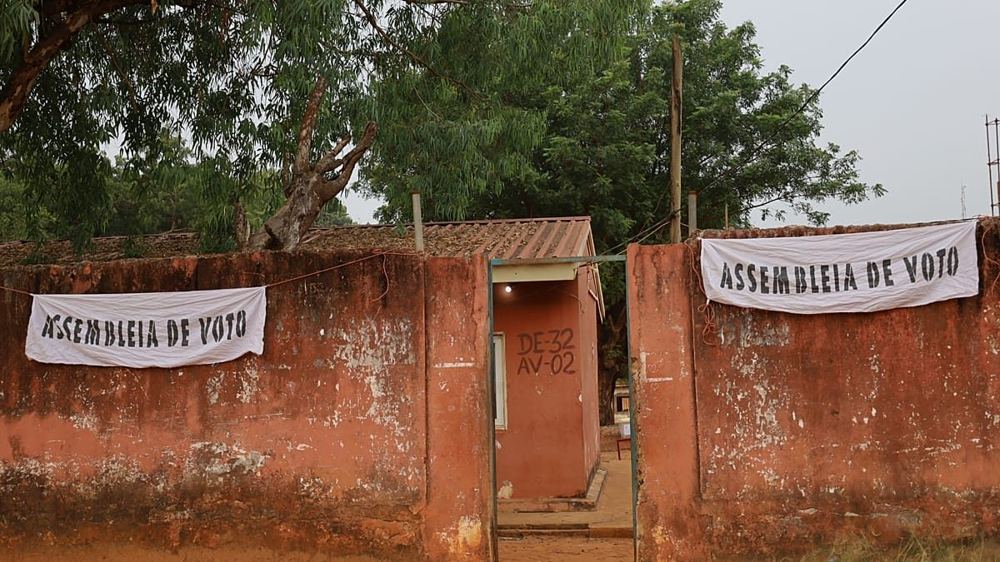
The military junta in Guinea-Bissau is forcing a constitutional referendum to expand presidential powers, prompting calls for the European Union to impose sanctions on political elites who hold assets in Europe.
The military junta in Guinea-Bissau is pushing forward with a constitutional referendum designed to significantly expand presidential powers. The vote follows a military coup last November and is being held despite widespread boycotts from the political opposition and civil society.
The deepening political crisis carries direct implications for Europe, as critics argue the bloc must intervene. Commentators are urging the European Union to impose targeted sanctions, noting that the country's political elite keep their wealth, families, and healthcare arrangements within European borders.
The proposed constitution concentrates power in the presidency, allowing the leader to chair the Council of Ministers and altering how the prime minister is appointed. Human rights activist Bubacar Turé warned that this removes the link between legislative election results and government formation, effectively rendering future parliamentary votes meaningless.
The main opposition party, the PAIGC, has called for a total boycott, describing the process as an absolute farce. Party leader Domingos Simões Pereira stated the referendum is merely a continuation of the November coup, noting that authorities have suspended public freedoms and banned the "no" campaign.
Pereira was detained for 60 days before traveling to Portugal for medical treatment, though he insists he was never ill. Meanwhile, former president Umaro Sissoco Embaló remains in exile after fleeing the country following the military takeover that interrupted his nearly six-year rule.
Transitional authorities defend the changes, with Nelson Moreira arguing the previous constitution caused national instability. However, Turé highlighted a glaring legal anomaly, pointing out that the constitutional text has already been published in the Official Gazette.
The European Union's diplomatic footprint in the country has also been directly exposed to the junta's actions. An EU representative witnessed the storming of the Casa dos Direitos human rights building, an incident that has intensified criticism of the bloc's current passive stance.
Both the United Nations and the EU face sharp criticism for their silence amid multiple reported human rights violations, including abductions and killings. Guinea-Bissau has already been suspended from the African Union, ECOWAS, and the Community of Portuguese-speaking Countries.
With the opposition drained and disorganized, activists expect record abstention for the vote. University professor Tamilton Teixeira warned that the military group has seized power and is raising issues no one could have imagined, leaving the country's future deeply uncertain.