Russian drone strike on Kyiv Coca-Cola plant highlights risks to Western assets
A Russian drone attack on a Coca-Cola facility near Kyiv underscores the growing threat to Western corporate assets in Ukraine, even as diplomatic efforts for a negotiated settlement gain tentative momentum.
Russian drones struck a Coca-Cola production facility near the town of Brovary, east of Kyiv, on Thursday. Ukrainian President Volodymyr Zelensky confirmed there were no injuries but described the attack as a deliberate signal directed at the United States.
The targeting of a major American corporate facility highlights the persistent operational risks for Western businesses operating in or supporting Ukraine. Andy Hunder, president of the American Chamber of Commerce, stated that the company is coordinating with authorities and that personnel safety remains the primary concern.
Beyond corporate targets, the economic and logistical strain of the conflict remains acute on both sides. Ukraine’s state oil and gas company Naftogaz reported significant equipment damage after Russian attacks on Ukrnafta production sites.
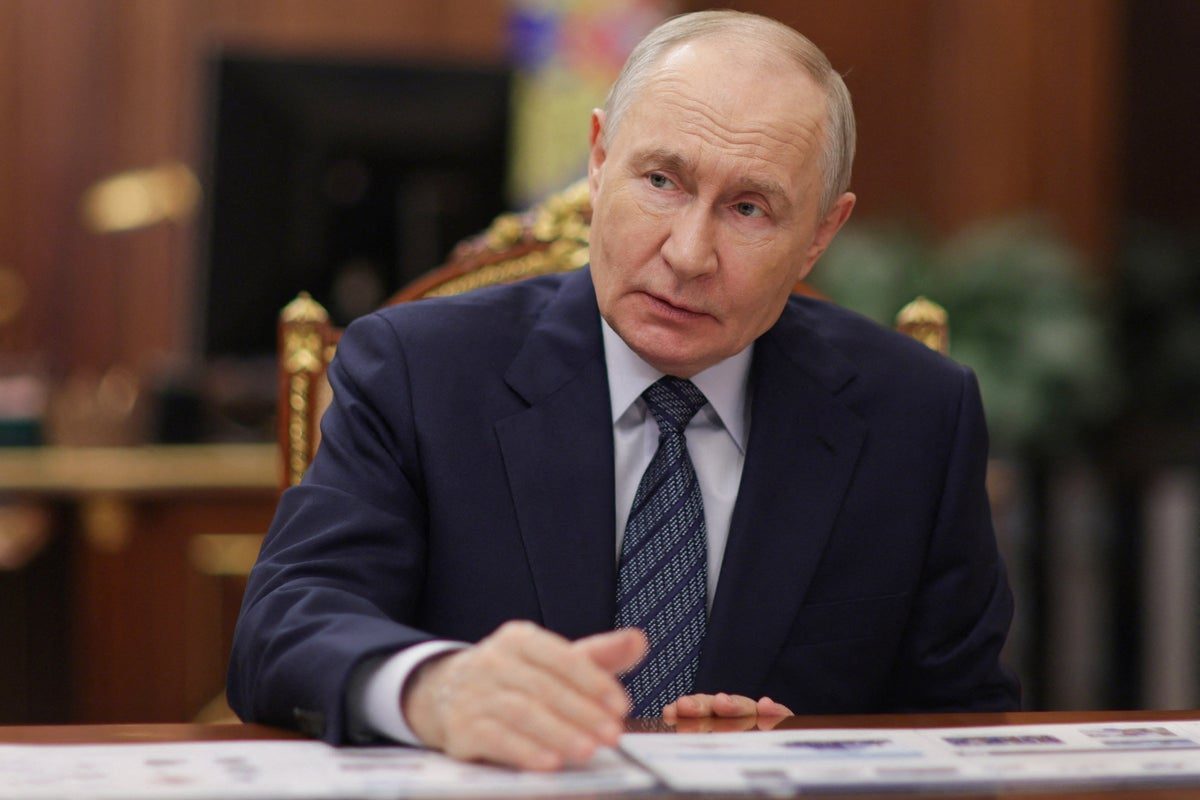
Meanwhile, Russian President Vladimir Putin dismissed his country’s ballooning fiscal deficit as "not a critical risk" during an economic forum in Vladivostok. He pointed to Russia's low national debt levels, despite the government being forced to raise taxes and increase borrowing to sustain the war effort.
These military escalations contrast with emerging diplomatic overtures. Zelensky announced that US negotiators are expected to visit both Kyiv and Moscow in the coming days to discuss potential solutions to the four-and-a-half-year-old war.
International mediation efforts also received a boost from New Delhi. During a visit to Kyiv, India’s external affairs minister S Jaishankar affirmed that his country is ready to assist in ending the conflict in any capacity.
For Europe, the conflict continues to spawn direct security threats beyond the battlefield. The Danish Security and Intelligence Service warned that Russian operatives are actively recruiting Danish citizens online to photograph logistics facilities and transport routes supporting Kyiv.
This intelligence disclosure coincides with an expanded German investigation into an attempted explosive drone attack at Leipzig/Halle Airport last month. The pattern suggests a coordinated effort to disrupt European supply chains aiding Ukraine.
Complicating the financial backdrop, President Donald Trump stated on Thursday that the United States is currently stockpiling weapons rather than supplying them abroad. He criticized the previous administration for providing hundreds of billions of dollars in munitions to Ukraine and Nato free of charge, adding that the US will eventually seek reimbursement for those funds.