Italy’s air conditioning surge collides with soaring energy costs and policy inaction
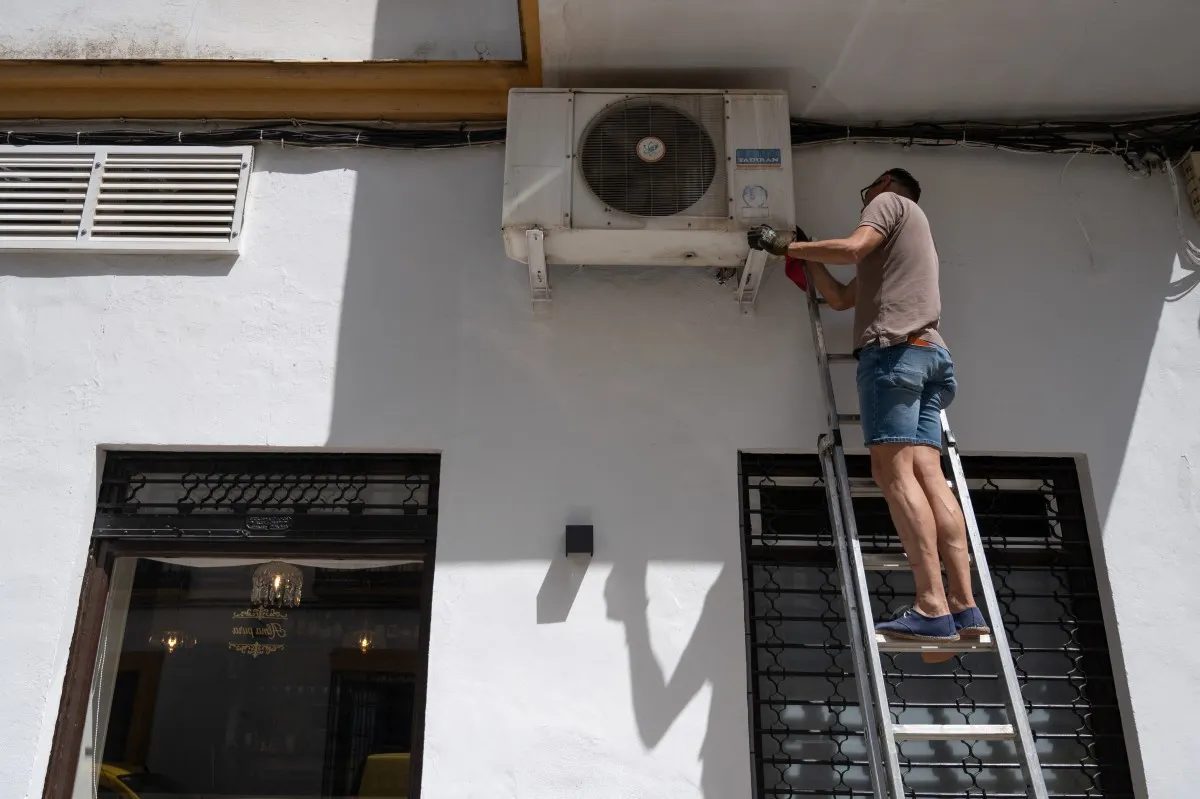
As extreme summer heat drives a thirty percent surge in Italian air conditioning installations, households and public services are confronting prohibitive energy costs and a stark lack of national climate adaptation strategies.
Italian households are facing eye-watering electricity bills this summer as prolonged heatwaves drive unprecedented demand for air conditioning. Energy companies hiked prices in July, compounding the financial strain on residents who increasingly view cooling as a necessity rather than a luxury.
After decades of relying on thick stone walls and fans, Italians are rapidly changing their habits. Air conditioning installation rates have jumped by approximately 30 percent year on year, driven by severe health risks for young children and the elderly during intense heat.
This private adaptation highlights a severe deficit in public infrastructure. Nine in ten Italian schools lack air conditioning, and public transport operators admit that rail and metro carriages routinely reach temperatures that constitute a workplace safety risk.
The surge in cooling demand is exposing deep flaws in Europe’s energy market and national policy responses. While six EU finance ministries, including Italy’s, recently pushed for a windfall tax on the energy sector to offset household costs, the proposal faces fierce domestic resistance.
Deputy Prime Minister Antonio Tajani rejected the windfall tax idea, stating it "smacks of the Soviet Union." Consequently, the government has not proposed any financial assistance for summer energy bills, leaving vulnerable populations exposed to market volatility.
The human cost of this inaction is mounting. Italy has recorded the highest heat mortality rate in Europe for three consecutive summers, contributing to a known European death toll that has now passed 30,000.
State subsidies currently assist with installation costs but do nothing to alleviate the resulting monthly bills. The national government remains focused on a long-term plan to reintroduce nuclear power, which will not yield results for several years.
In the interim, the dangers of intense heat are being relegated to city and regional councils to manage through a patchwork of local measures. For Italian residents, the debate has moved past cultural resistance to cooling, settling instead on how to afford it before cities become unlivable.