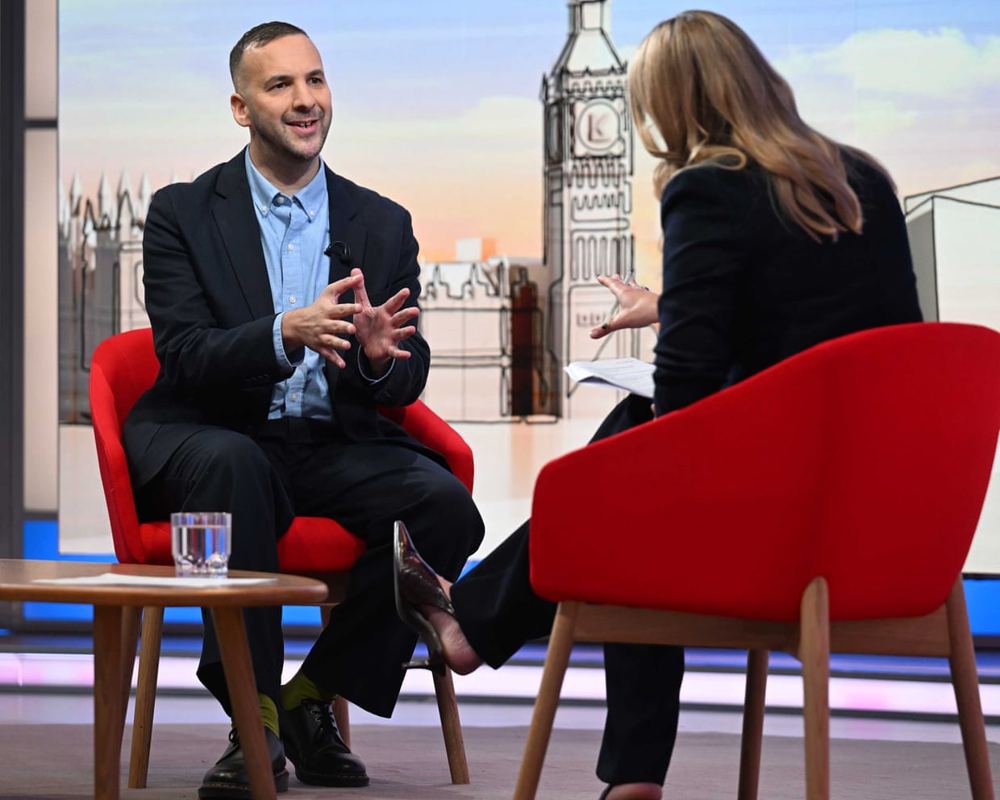
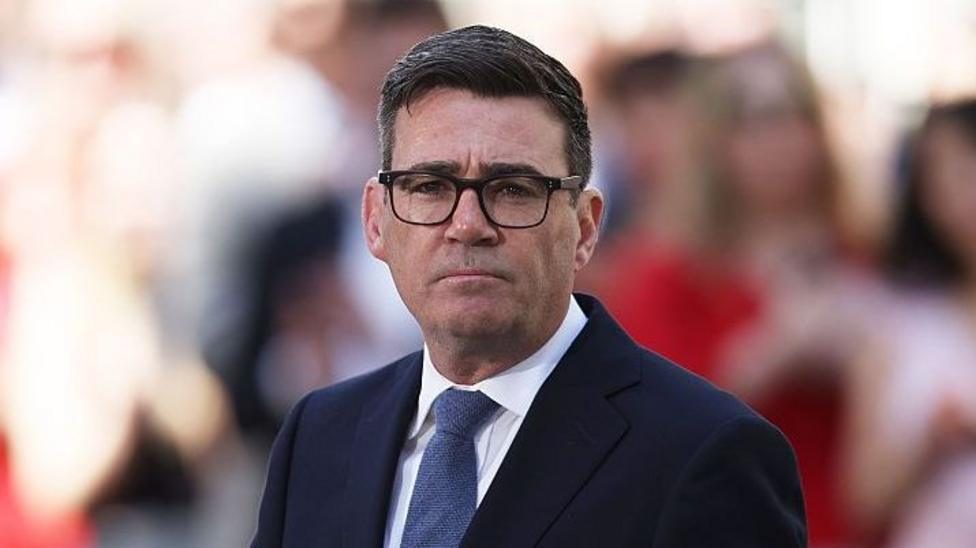
Andy Burnham faces first parliamentary scrutiny as UK budget and defence pressures mount
As Parliament returns, the UK prime minister must navigate early tests on defence funding, tax policy, and prison reforms that will define his administration’s economic credibility.
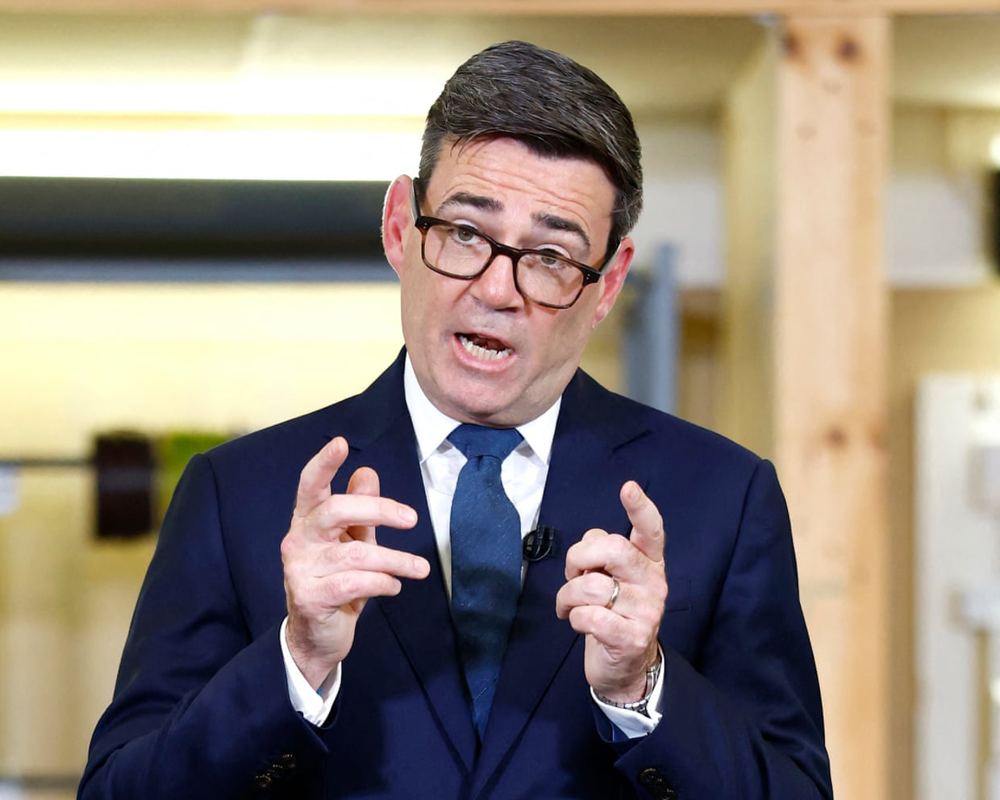
UK Prime Minister Andy Burnham faces his first major parliamentary test this week as the House of Commons returns from its summer recess. After six weeks of setting his agenda largely unchecked, the former Greater Manchester mayor will deliver a statement on his priorities and face his debut at prime minister’s questions on Wednesday.
This marks his first appearance on the government front bench in 16 years. Downing Street aides describe the upcoming sessions as a learning exercise, with Burnham reportedly favouring a note-free delivery and a tonal shift toward humour rather than confrontation.
Conservative leader Kemi Badenoch is already framing Burnham as a "people pleaser" reluctant to make difficult choices. Tory strategists are preparing to target three specific vulnerabilities: defence spending, potential tax increases, and the controversial early release of prisoners.
Justice Secretary Alex Norris is expected to address the prisoner release issue early next week. Following public pressure, Norris must outline legal carve-outs and measures to free up prison space, ensuring the killers of PC Andrew Harper remain incarcerated.
The most critical test for European markets and UK investors will arrive on 28 October, when Chancellor John Healey delivers the autumn Budget. The Treasury has explicitly compared Budget security to national security, aiming to prevent the damaging policy leaks that plagued the previous Starmer administration.
Healey faces the complex task of funding an additional £4.7bn for defence investment without spooking financial markets. While Burnham has maintained his manifesto pledge against raising income tax, VAT, or national insurance, his admission of "room for movement" within that framework leaves the door open for fiscal adjustments.
A formal path to spending 3% of GDP on defence is not expected in this Budget, with that decision deferred to next spring’s Spending Review. Treasury officials insist that fiscal discipline and fiscal devolution remain the core themes of Healey’s economic strategy.
Burnham is also reshaping domestic economic governance by transferring local economic growth policy from the Treasury to Number 10 North in Manchester. Although the Treasury downplays this as the creation of a rival department, it signals a distinct centralisation of growth strategy under the prime minister’s direct oversight.
Beyond domestic economics, Burnham will host French President Emmanuel Macron at Downing Street, signaling an early focus on European foreign policy. Domestically, he must also unify a Labour parliamentary party of over 400 members who remain divided on policy priorities amid a challenging financial outlook.
Downing Street acknowledges that the public’s expectation bar is high. How Burnham navigates these immediate legislative and fiscal hurdles will determine whether his honeymoon period translates into durable political and economic stability.