Electronic board failure delays Liverpool substitutions before Nottingham Forest penalty
A malfunctioning electronic substitution board at Anfield prevented Liverpool from making timely changes before a decisive penalty, exposing critical vulnerabilities in match-day operational technology.
Liverpool manager Andoni Iraola criticised a malfunctioning electronic board that delayed a triple substitution before Nottingham Forest was awarded a decisive penalty. The incident occurred during a 2-2 draw at Anfield on Saturday.
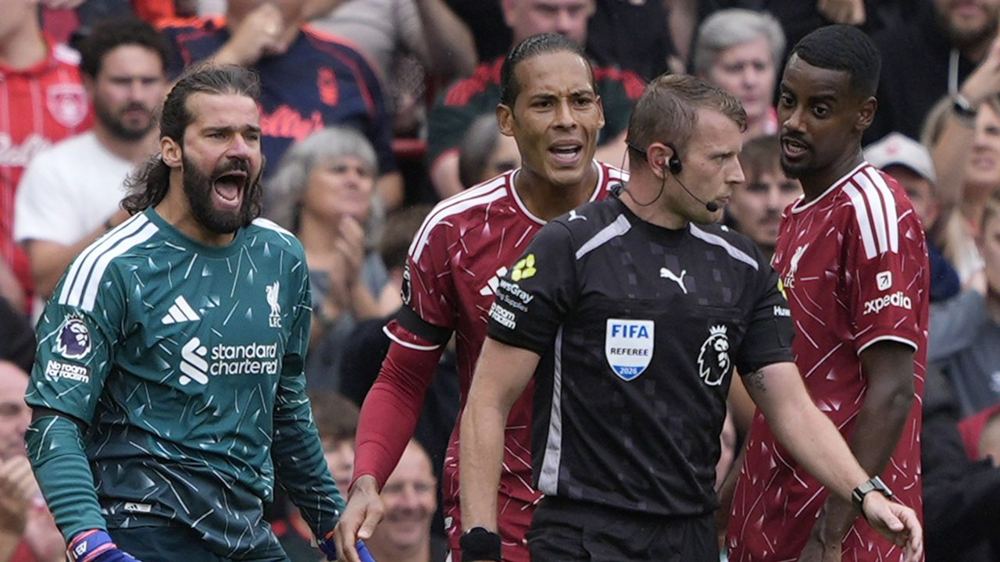
Fourth official Tim Robinson was observed struggling with two electronic boards for over two minutes. The ball went out of play on three separate occasions, but referee Samuel Barrott allowed play to resume each time, deeming the home side unready to finalise the changes.
During the third stoppage, substitute Liam Delap executed a quick throw-in to Neco Williams. Williams was subsequently fouled by Alisson inside the penalty area, and Morgan Gibbs-White converted the resulting spot-kick in the 70th minute to give Forest a 2-1 lead.
Iraola argued that the sequence of events would have been interrupted had the substitution process functioned correctly. "Definitely you stop because I want to sub," he stated, adding that the quick throw-in would not have occurred while the club was waiting for the official change.
The Liverpool boss expressed frustration over the lack of clarity from match officials regarding the delay. "I can't explain because I don't have an explanation," he said, noting that players, staff and supporters were all aware of the situation as the ball repeatedly went out of play.
The substitutions involving Ryan Gravenberch, Rio Ngumoha and Kostas Tzimikas were finally processed after Gibbs-White had scored. Liverpool later secured a point through an 82nd-minute equaliser from Victor Munoz, leaving Iraola winless in his first two Premier League matches in charge.
Operational implications
Beyond the immediate sporting result, the incident underscores the operational fragility of elite football infrastructure. As the Premier League continues to monetise its global broadcast rights, reliance on seamless match-day technology is critical to maintaining the competitive integrity that underpins the league's commercial valuation.
Clubs and investors increasingly view operational consistency as a key metric of organisational competence. When basic administrative tools fail at the highest level, it exposes a vulnerability that can directly alter match outcomes and the financial stakes tied to league positioning.