Everton held by Bournemouth as financial rules force player asset sales
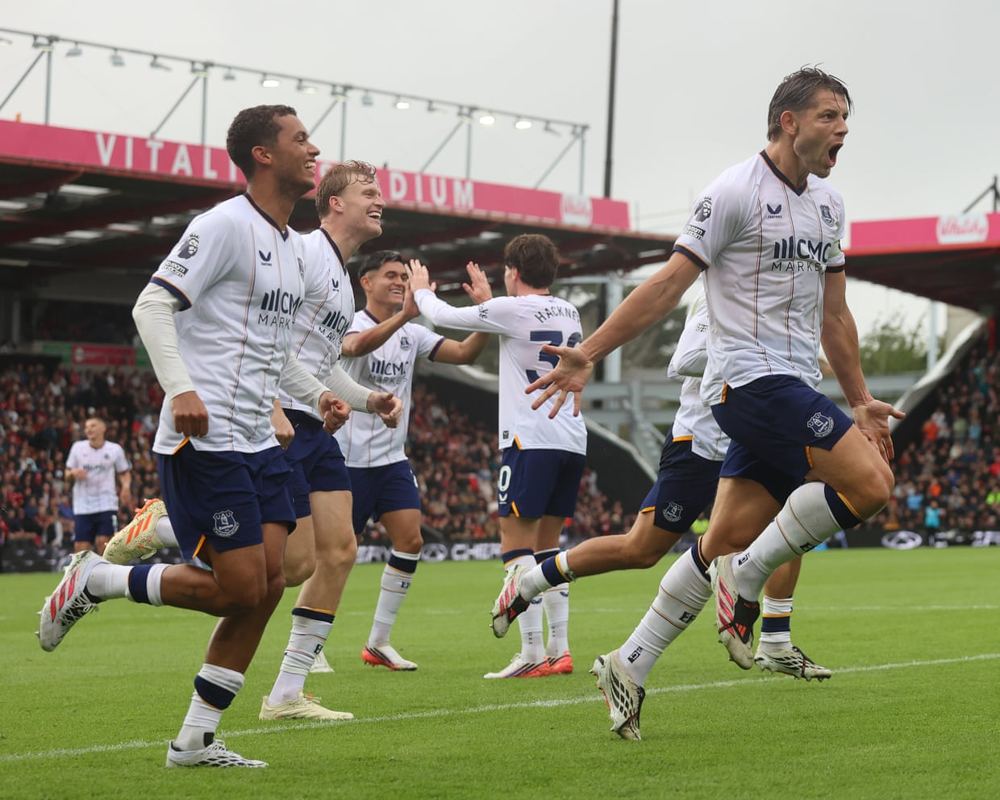
A late equaliser secured a draw for Everton against Bournemouth, underscoring the widening gap between a club investing in European infrastructure and one forced to liquidate talent to satisfy financial regulations.
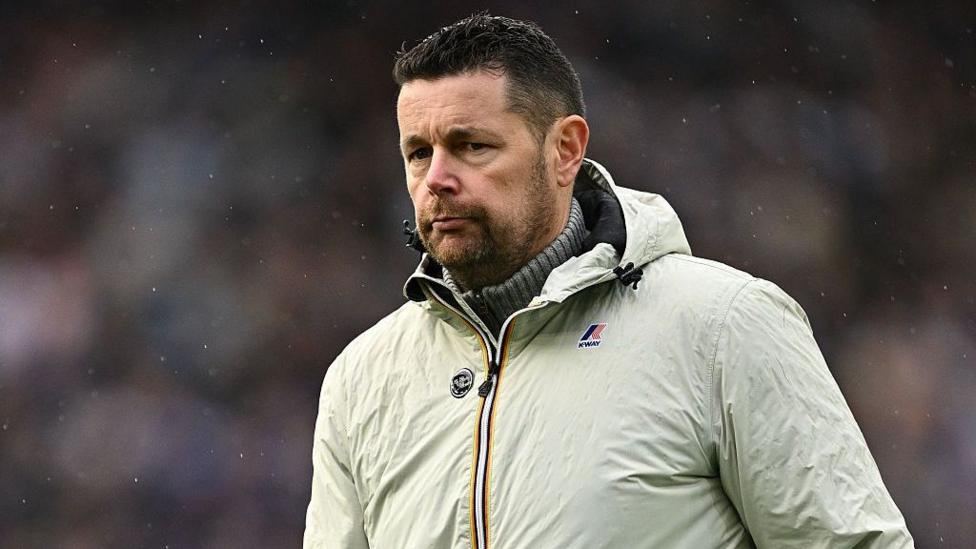
James Tarkowski scored an injury-time equaliser to earn Everton a draw against Bournemouth at the Vitality Stadium. The late goal followed a defensive collision from a Hayden Hackney corner, prompting Rose to state: “It’s not even a set-piece goal, it was just slapstick.”
The result sustains Bournemouth’s unbeaten home record dating back to 3 January under new manager Marco Rose. The club is simultaneously undergoing significant capital investment, with its stadium currently enveloped by renovation exoskeletons and upgraded security infrastructure.
This domestic stability supports their return to European competition, featuring upcoming fixtures against Milan and trips to San Sebastián, Galicia, Norway and Czechia. Rose praised Alex Scott, calling it “a top performance,” but admitted his side must adapt to the English game. “I have to get used to the Premier League,” Rose said. “It’s quite different. It’s always an open game.”
Everton’s visit to Dorset highlighted a starkly different economic reality, with the club grappling with severe financial and regulatory pressures. Manager David Moyes acknowledged that squad cost ratios and an expensive legal dispute with Burnley are diminishing the club's financial flexibility. Every squad member is now viewed through the lens of soccernomics.
These constraints mean every player is effectively a bargaining chip, a reality that has sparked protests among travelling supporters. Fans warned of unrest if the club sells 19-year-old Harrison Armstrong to Nottingham Forest in a deal valued at £40 million. Moyes distanced himself from the potential transfer, stating: “It would be a club decision.”
Further financial engineering may be required to balance the books. Reports suggest Jack Grealish could return from Manchester City as part of a swap involving Iliman Ndiaye. Such equations are now a reality supporters must accept.
The financial turbulence was mirrored in an unsettled Everton performance, despite early pressure and eight first-half shots. Moyes indicated a need for additional attacking reinforcements after Barry missed a key chance laid on by Kiernan Dewsbury-Hall. However, strict squad cost ratios severely limit the manager's ability to recruit.
Meanwhile, Bournemouth’s financial strategy appears focused on retaining and developing high-value assets. Scott’s first-half goal and overall control of the midfield only increased his market cachet. Everton's players, by contrast, remain subject to the strict equations of modern football economics.
The contrast in corporate trajectories was visible before kickoff. Bournemouth’s ground features towering renovation exoskeletons waiting to be filled, while Everton’s supporters are left calculating the financial equations required to keep their club competitive.