Spain denies Moroccan involvement in Ceuta migration crisis as aid pledged
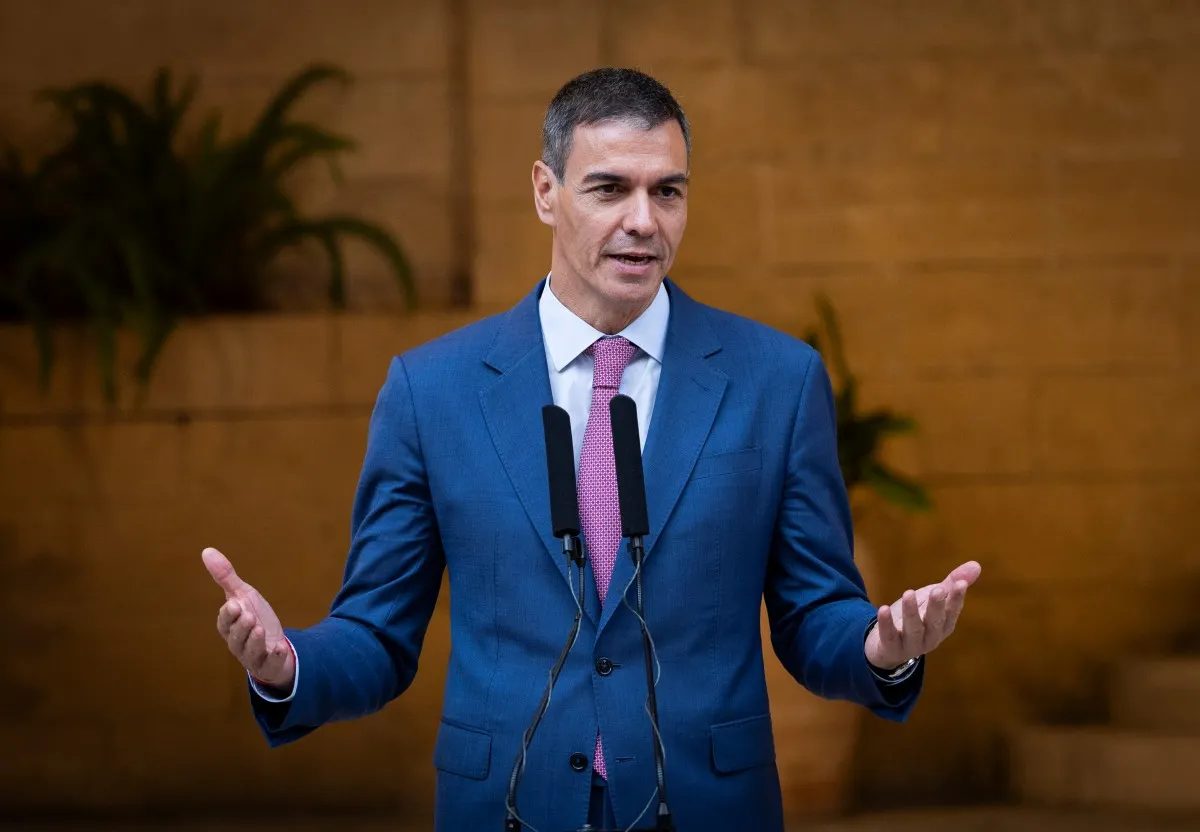
Prime Minister Pedro Sánchez has dismissed theories of Moroccan state involvement in the recent chaotic influx of migrants into Ceuta, aiming to stabilize diplomatic ties while committing €168 million to manage the fallout.
Prime Minister Pedro Sánchez has formally ruled out any responsibility on the part of Moroccan authorities in the recent surge of migrants into the Spanish enclave of Ceuta. Speaking on Cadena Ser radio, Sánchez stated that no intelligence service cooperating with the Spanish government had suggested Moroccan involvement in the crisis.
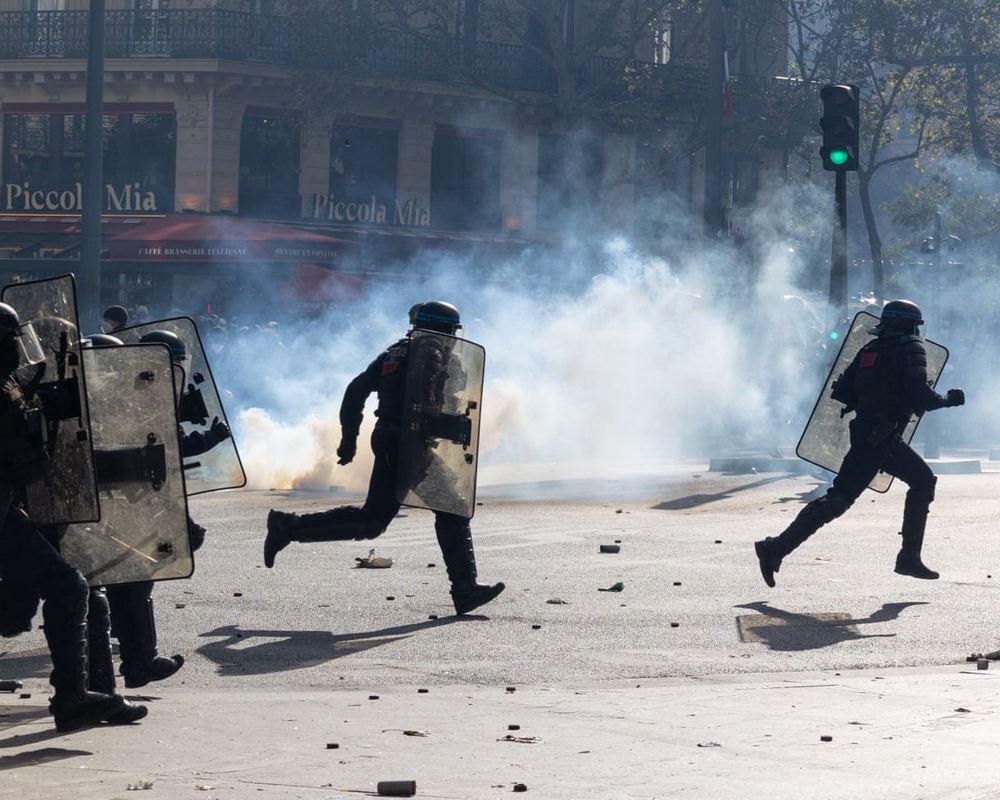
The statement follows a chaotic influx in late July, when more than 70,000 migrants entered the 18-square-kilometre territory by swimming or crossing on foot. While the vast majority returned to Morocco within hours, thousands remain living rough on the streets, leaving scores dead and straining local resources.
This diplomatic stance is critical for the European Union, which has faced fresh internal tensions over migration management. Sánchez emphasized that the crisis can only be resolved through cooperation rather than distrust toward Morocco, pushing back against analysts who theorized the influx was a political message over Spain’s recent visit to Algeria regarding the disputed Western Sahara.
The Spanish government is also combating a wave of disinformation that exacerbated the situation. Sánchez noted that human trafficking groups, alongside networks linked to Russia, Israel, and the international ultra-right, falsely claimed that a recent Spanish Supreme Court ruling prevented the immediate deportation of irregular migrants arriving by sea.
Domestically, the fate of these migrants has become a severe political flashpoint. Conservative opposition and far-right parties are demanding the return of all who entered, including minors, while the left-wing government maintains that between 3,500 and 7,000 migrants remain in the territory.
Right-wing leaders in Ceuta allege the number is at least 10,000, fueling regular demonstrations among the enclave’s 80,000 residents over security and hygiene concerns. In response, Sánchez pledged an additional €168 million in aid for Ceuta to manage the crisis.
The government will soon make 6,000 spaces available at reception centres in the territory. Spanish authorities must verify the status of these migrants before any possible return to Morocco can be executed, underscoring the complex legal and logistical hurdles ahead.