Swiss authorities arrest suspect in fatal shooting at Aarau rave
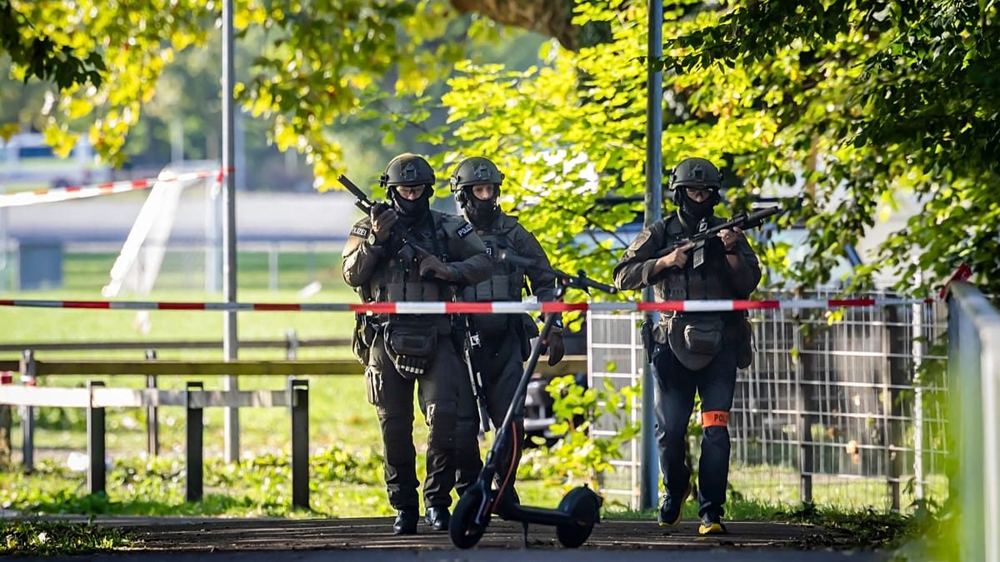
A 43-year-old Swiss man has been arrested in connection with a rare deadly shooting at an Aargau rave that killed an Italian woman and injured five others, highlighting cross-border security and communication dynamics in European public spaces.
Swiss authorities have arrested a 43-year-old man on strong suspicion of carrying out a deadly shooting at a rave in the northern canton of Aargau. The attack left a 22-year-old Italian woman dead and injured five other young adults.
The suspect was apprehended shortly before 1:00 am on Monday, bringing an end to an international manhunt that began in the early hours of Sunday. Authorities confirmed the suspect was taken into custody on strong suspicion of having committed the crime.
The violence erupted as the annual event at the Aarau racecourse was winding down and partygoers were preparing to go home. According to the cantonal police, several shots were fired at a group of people.
Police noted that the 22-year-old Italian victim died instantly, despite attempts to resuscitate her. The five other individuals hospitalized with injuries ranging from minor to serious include four Swiss men and a German woman aged between 24 and 31.
This casualty list corrects earlier statements from Italian Prime Minister Giorgia Meloni, who had indicated that two Italians were among the wounded. Aargau police clarified on Monday that only the deceased victim was an Italian national.
Officials confirmed that investigations into the background and possible motive are currently under way to determine the exact sequence of events. Authorities added that, at this stage, it is believed a lone perpetrator was involved.
While Switzerland maintains some of the lowest gun violence rates in Europe, isolated incidents of this nature reverberate across the continent. They prompt renewed scrutiny over security protocols at large-scale public gatherings and cross-border emergency coordination.
For European communities, the tragedy underscores the vulnerability of cultural events to sudden violence. It also highlights the necessity of precise, coordinated communication between national governments when citizens are affected abroad.