Disney’s Encanto Soundtrack Shifts Music Marketing Strategy
The five-week chart dominance of a narrative-driven ensemble track signals a potential change in how media conglomerates monetize animated film properties.
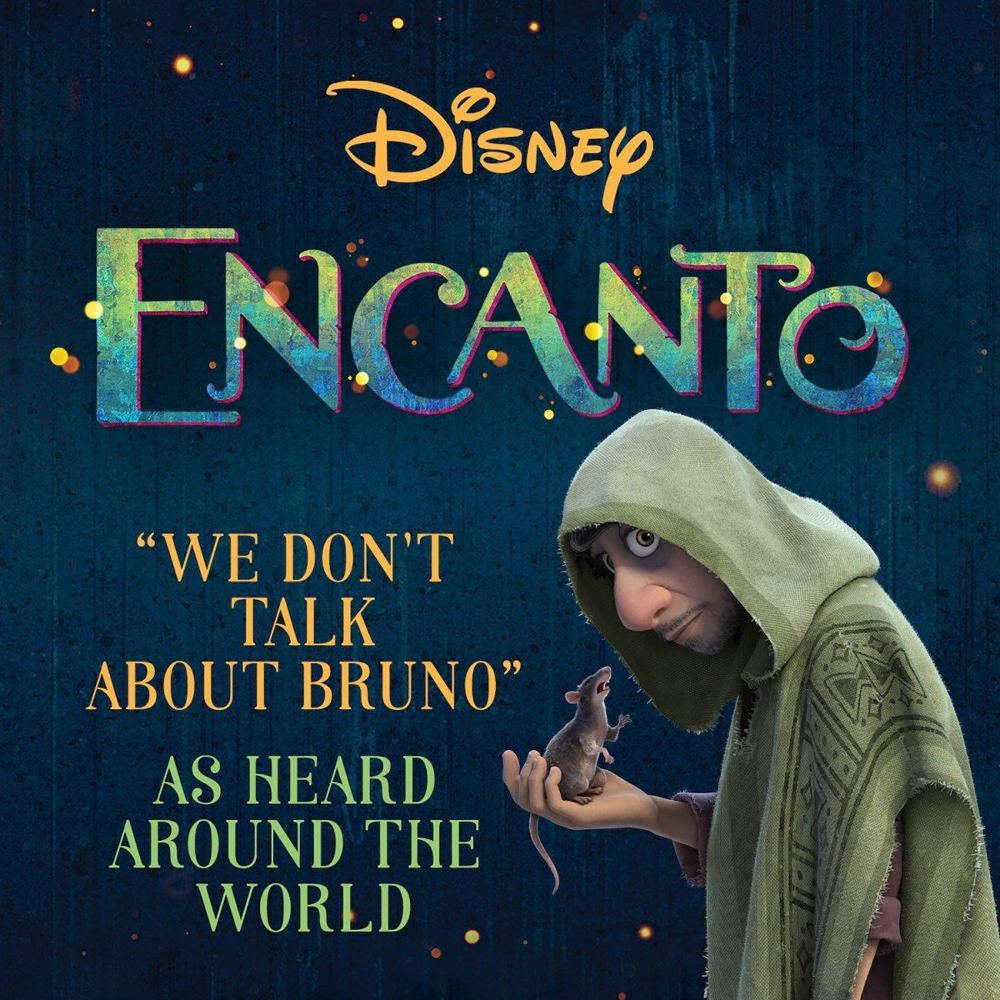
Disney’s "We Don't Talk About Bruno" has spent five weeks at number one on the Billboard Hot 100, marking a notable shift in the entertainment company's historical music strategy. The track, written by Lin-Manuel Miranda, is only the second song from a Disney animated musical to reach the top of the chart.
During the company's historical renaissance period, leadership recognized that prominent pop tracks could drive animated feature sales and become enduring staples for theme park attractions. Consequently, the studio relied on established musical artists to deliver crossover ballads capable of standing alone outside the film's narrative.
Tracks such as Elton John’s "Can You Feel The Love Tonight?" and Vanessa Williams’ "Colors Of The Wind" peaked at number four on the charts. The first animated musical song to reach number one was "A Whole New World" from Aladdin, performed by name-brand singers Peabo Bryson and Regina Belle.
A transition began with the 2013 success of Frozen. The film’s signature track, "Let It Go", reached number five while performed by voice actor Idina Menzel rather than an external pop star, signaling a change in how Disney marketed its musical properties.
The Encanto hit completes this departure from traditional formulae. It features six credited lead artists, establishing a new record for lead artist credits on the Billboard Hot 100. Most of these contributors, including Carolina Gaitán, Mauro Castillo, Adassa, Rhenzy Feliz, Diane Guerrero, and Stephanie Beatriz, are primarily actors rather than professional musicians, and John Leguizamo, who plays Bruno, is not on the song.
Unlike previous standalone radio hits, this composition is deeply embedded in the film's narrative. It operates as an intricate narrative device designed to advance the plot and develop character moments, meaning it lacks coherence when separated from the movie.
For media conglomerates, this commercial success carries strategic implications. It demonstrates that proprietary, highly specific content can achieve mainstream chart dominance without relying on established musical brands or standalone ballads.
This trend may alter how future animated soundtracks are structured, marketed, and monetized across global entertainment markets. It proves that audiences will embrace intricate, context-dependent media properties over traditional, standalone pop singles.