Ferry capsizes off northern Cyprus leaving eight dead and twenty missing
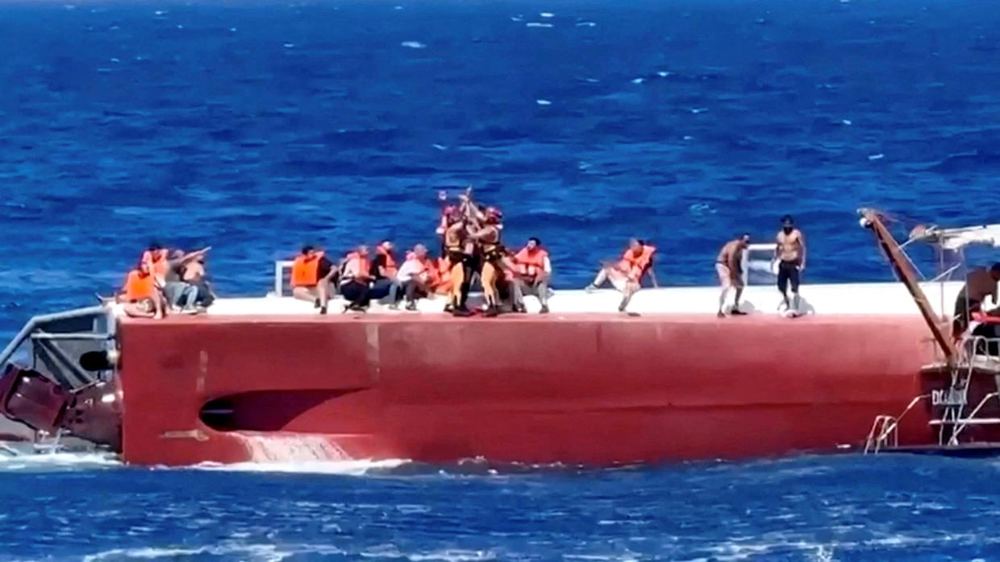
A maritime disaster off the coast of northern Cyprus has triggered a major search operation, highlighting regional water transport safety concerns for European observers.
A ferry carrying approximately 270 passengers and crew has capsized off the coast of northern Cyprus, prompting a major maritime rescue operation. The disaster has left at least eight people confirmed dead in the immediate aftermath of the incident. Nearly 20 others still remain unaccounted for as extensive search and rescue efforts continue across the region, raising alarms about passenger safety.
Emergency response teams, including local coastguard authorities and passing civilian vessels, mobilized quickly to extract survivors from the water. Helicopters and boats have been continuously ferrying rescued individuals back to the shore throughout the ongoing operation. This coordinated multi-agency effort aims to minimize any further loss of life following the sudden and severe capsize of the vessel.
Deep Water Search Challenges
Despite these rapid initial interventions, the operation has now transitioned into a complex search and recovery mission. Divers and specialized search teams are currently scanning the deep waters surrounding the capsized vessel. Authorities have publicly stated it remains entirely unclear whether additional individuals remain trapped inside the sunken hull, complicating the recovery.
This tragedy underscores the severe and inherent risks associated with commercial water transport in the region. The incident near Cyprus and Turkey draws immediate international attention to regional maritime safety standards. It also highlights the critical nature of emergency response capabilities within close European proximity, where such routes are common.
For European observers, incidents of this scale highlight the latent vulnerabilities of regional ferry operations. The ongoing uncertainty regarding the condition of the vessel and the fate of the missing passengers emphasizes a clear need for robust maritime oversight. Such tragic events inevitably raise serious questions about existing transport safety protocols and regulatory enforcement.
As the search continues, the primary operational focus remains firmly on locating the nearly 20 missing individuals. Rescue teams are currently battling the significant challenges posed by deep water conditions to find any remaining survivors. The ultimate outcome of this recovery effort will undoubtedly influence broader discussions on maritime safety in waters bordering Europe.