YouTube breaks television monopoly as digital platforms claim A-list access
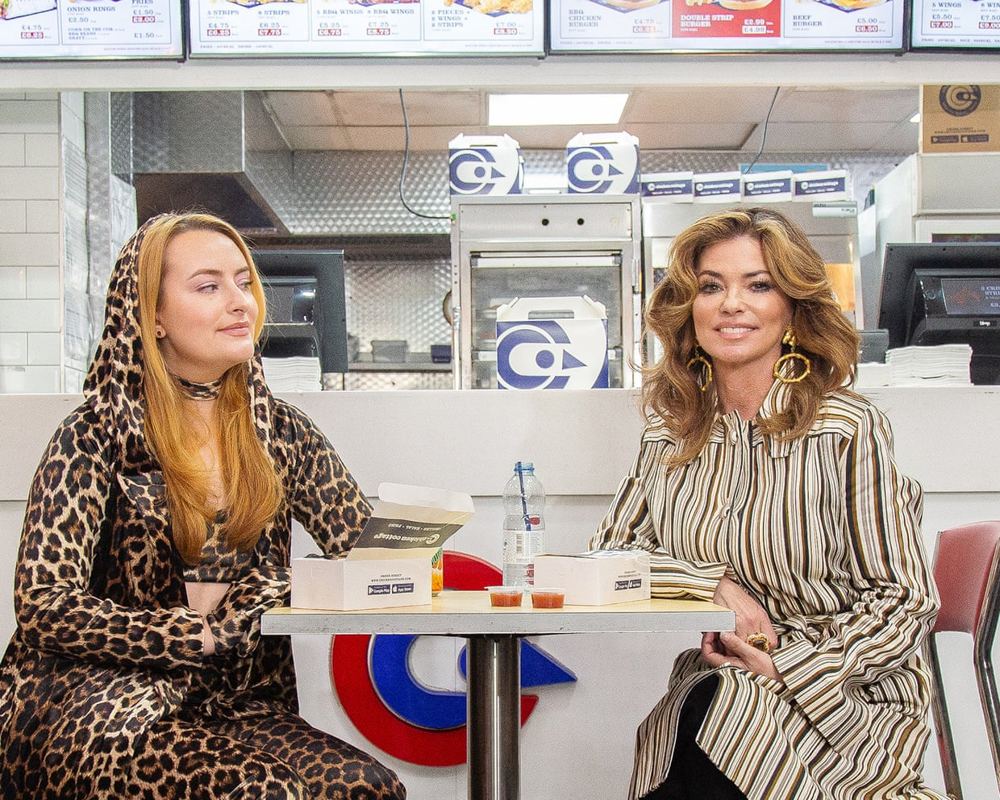
Amelia Dimoldenberg’s YouTube show Chicken Shop Date has become a mandatory stop for A-list celebrities, illustrating a broader economic shift where digital platforms have broken the traditional television monopoly on audience attention and advertising revenue.
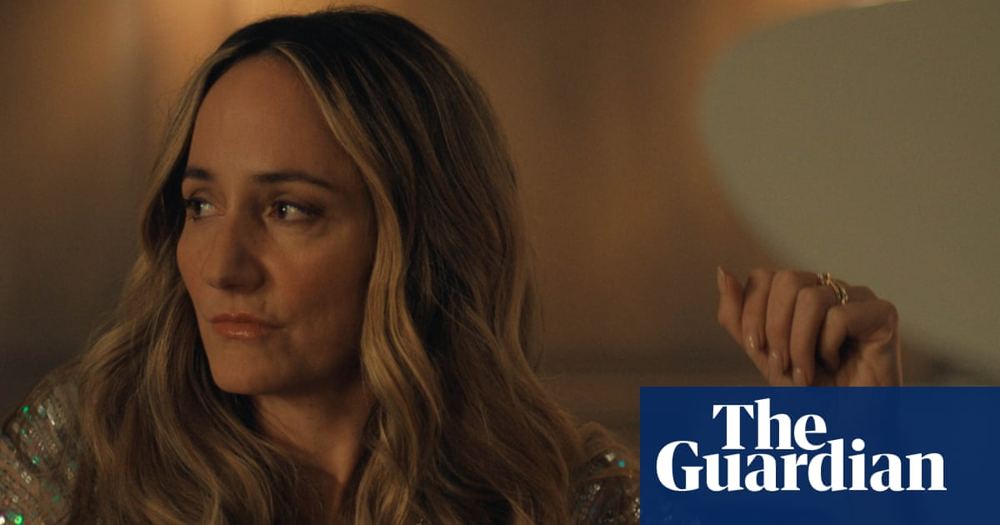
Amelia Dimoldenberg’s YouTube series Chicken Shop Date has reached parity with legacy broadcast institutions as a mandatory promotional stop for global celebrities. The creator stated at the Edinburgh TV festival that her digital show now ranks alongside the Graham Norton television programme and BBC Radio 1 for stars seeking media cut-through.
This marks a stark reversal from the show's 2014 launch, when publicists refused to send talent to a digital platform. “When I started the show in 2014, no publicist and no manager would let their talent come on a YouTube show, that was just insane,” Dimoldenberg explained. She noted that appearing on her channel is now among the first priorities for any album rollout or movie campaign.
The shift highlights a fundamental restructuring of the media economy, where audience attention and the accompanying advertising revenue are migrating away from traditional networks. YouTube’s dominance is forcing legacy broadcasters to compete for the same high-profile guests, eroding a decades-old monopoly on celebrity access.
Pedro Pina, YouTube’s head for Europe, the Middle East and Africa, addressed this transition during the MacTaggart lecture at the Edinburgh TV festival. He argued the platform is “not the villain” destroying the television industry, while acknowledging that the era of network monopolies has definitively ended.
The lure of total creative control and direct brand deals is accelerating a talent migration toward digital platforms. Former television presenter Holly Willoughby recently launched a YouTube channel that has already gathered 22,000 subscribers, while Amol Rajan is departing BBC Radio 4’s Today programme to start his own digital show.
Conversely, Dimoldenberg is leveraging her digital influence to secure traditional media contracts. She is writing a teen drama for the BBC and developing a Hollywood romantic comedy in which she will star as a journalist.
Reflecting on her transition into scripted television and film, she noted the project relies on her established digital persona. “It’s a character that I’ve been playing half my life, so I feel like I know it very well,” she said. “It’s definitely just an exaggeration of who I am.”