Eternal Memory targets digital legacy market as personal archives fragment
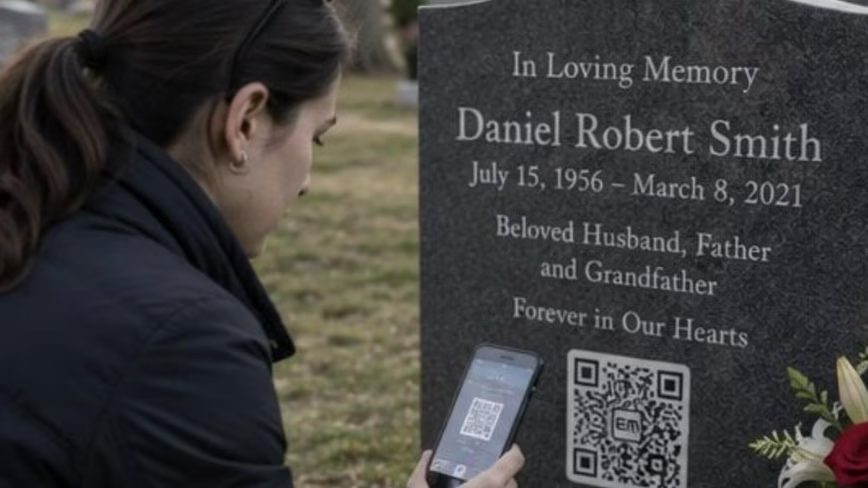
Founders Israel Elgamil and Itamar Evgey have launched Eternal Memory, a free digital time capsule platform, aiming to carve out a new market niche by helping users curate fragmented online archives into meaningful personal histories.
Israel Elgamil and Itamar Evgey have launched Eternal Memory, a free digital time capsule application designed to help users curate and preserve their personal histories. The platform allows individuals to organize photographs, videos, and stories into a centralized archive.
The launch addresses a growing paradox where individuals accumulate massive personal archives across fragmented platforms. A 2025 Pew Research Center survey highlights this fragmentation, noting that 84 percent of U.S. adults use YouTube, 71 percent use Facebook, and 50 percent use Instagram.
This scattered existence makes long-term preservation difficult, as the Library of Congress warns that digital materials depend heavily on changing technologies. Sustainable preservation requires ongoing attention to metadata, access, and format migration rather than mere file storage.
Building a legacy market
Eternal Memory positions itself within an emerging market category the founders call digital legacy. Rather than competing directly with established social networks, the platform aims to sit alongside them by serving a fundamentally different purpose.
Itamar Evgey argues that while Instagram and Facebook are built around ongoing social interaction, Eternal Memory focuses on deliberate preservation for future audiences. This distinction creates a new product tier that complements rather than replaces existing tech ecosystems.
The strategy relies on shifting user behavior from indiscriminate data hoarding to intentional selection. “We are moving from capturing everything to curating what matters,” Elgamil says. He adds, “The question becomes what will future generations actually want to understand?”
The application currently operates as a free service to prioritize accessibility and build initial user traction. Its public-facing design allows people to encounter memories without facing unnecessary barriers, while creators must register to organize their own digital legacies.
For the broader technology sector, the project highlights the commercial potential of solving format obsolescence and data decay. As digital footprints expand, companies that can successfully manage the migration of personal data may capture significant value. Elgamil notes that files require ongoing attention because storage media and playback technologies constantly change.
The founders view these curated collections as living time capsules that give concentrated context to a person's life. “We can’t live forever, but our memories can,” Elgamil says. They add, “Your digital footprint is like your fingerprint. It becomes part of who you are.”