Lockheed and General Dynamics win contracts to surge depleted US missile production
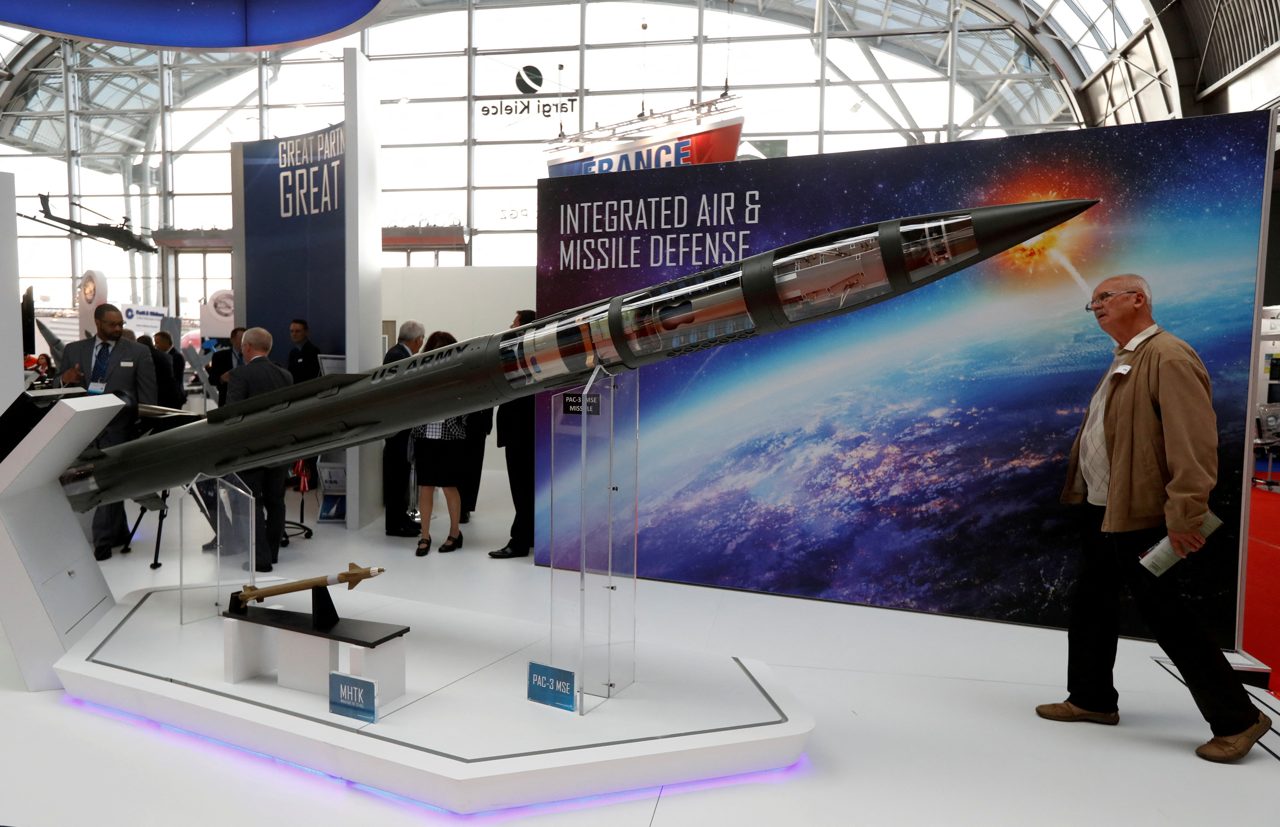
The US Department of Defense has awarded multi-year production deals to major defence contractors to rebuild missile inventories severely drained by concurrent conflicts in Ukraine and Iran, highlighting growing strain on the transatlantic security architecture.
The US Department of Defense has signed framework agreements with Lockheed Martin and General Dynamics Ordnance and Tactical Systems to accelerate the production of Patriot and Terminal High Altitude Area Defense (THAAD) missile interceptors. These seven-year contracts aim to triple Patriot manufacturing capacity and quadruple THAAD output to address critical shortfalls in American arsenals.
These agreements follow severe depletion of US stockpiles driven by concurrent military engagements. According to a July report by the Center for Strategic and International Studies, the ongoing conflict with Iran has consumed approximately 65 per cent of pre-war Patriot interceptor inventories. The United States has also dispensed 38 per cent of its THAAD missiles during this period.
Washington has simultaneously transferred substantial volumes of Patriot air defence systems and Army Tactical Missile Systems to support Ukrainian forces. This two-front drain on critical munitions has forced a strategic pivot in Washington. With its weapons cache dwindling, the Trump administration is now shifting away from direct military intervention in Iran toward a strategy of economic sanctions.
Strain on the transatlantic defence base
For European defence planners and institutional investors, this production surge underscores the ongoing strain on the transatlantic defence industrial base. The United States recently marked six months of war with Iran, a conflict initially projected by President Donald Trump to last merely five weeks. This extended engagement has exposed the severe limits of existing defence manufacturing and inventory planning.
The diminished inventory directly compromises America’s capacity to deter peer adversaries, notably China in the western Pacific, according to CSIS experts. Rebuilding these stockpiles is therefore a geopolitical imperative that extends far beyond the Middle East and Eastern Europe. European security architecture ultimately relies on the credibility and availability of these American deterrents.
However, the promised manufacturing expansion carries significant financial caveats for the involved defence contractors. The Pentagon explicitly noted that funding for this production surge remains subject to annual congressional appropriations. This reality introduces budgetary uncertainty for allied governments relying on predictable US defence output and timely equipment deliveries.
This latest move follows similar framework agreements announced earlier this month with Northrop Grumman and Lockheed Martin to expand production. Together, these contracts represent a necessary, albeit delayed, attempt to industrialise US defence production after years of drawing down global reserves. The success of this manufacturing surge will directly dictate the pace of transatlantic security replenishment.